




I awoke at the Super 8, checked out then went to McDonald's for breakfast. With plenty of time to spare, I drove to the station in Knoxville, Tennessee.
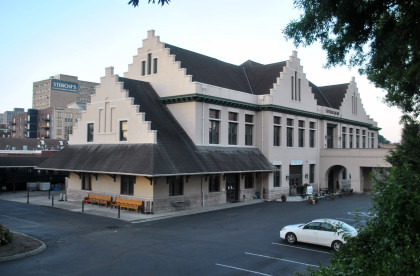
Southern Railway station in Knoxville built in 1903. Both the terminal and depot were designed by noted train station architect Frank Pierce Milburn (1868–1926). In 1985, the terminal complex, along with several dozen warehouses and storefronts in the adjacent Old City and vicinity, were listed on the National Register of Historic Places as the Southern Terminal and Warehouse Historic District. During the 1850s, the arrival of the railroad — namely the East Tennessee, Virginia and Georgia Railroad and its predecessor lines — transformed Knoxville from a small river town of just over 2,000 residents to one of the southeast's major wholesaling centers. Wholesaling firms built dozens of large warehouses along Jackson Avenue and adjacent streets, where smalltown merchants from across East Tennessee would purchase goods and supplies to resell at rural general stores.
In 1894, the ETV&G was absorbed by the Southern Railway, which in turn became part of the Norfolk Southern Railway in 1982. The station is notable for its signature corbel-stepped gabled roof and the terminal building is two-and-a- half stories, with the lower level originally containing the dining rooms, baggage check, express and mail rooms and the upper level originally housing the ticketing and waiting rooms. A bridge connects the upper level with Depot Avenue. The building originally included a clock tower, which was removed in 1945, apparently due to structural problems.
The express depot consists of a two-and-a-half story central section flanked by two one-story wings. The design of the central section matches the design of the adjacent passenger terminal building. Part of the depot's east wing has been removed to create an open courtyard. The main terminal building is now used for office space while the express depot is used as a meeting venue by a local caterer.
I then drove to the parking lot along the river bank and was the first participant to arrive which worked out wonderfully.
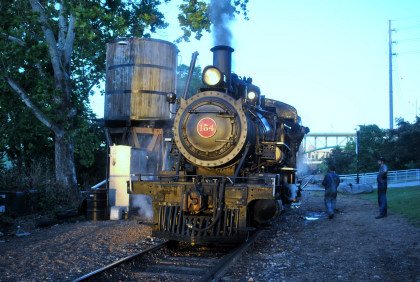
Southern Railway 154 with the water tank.
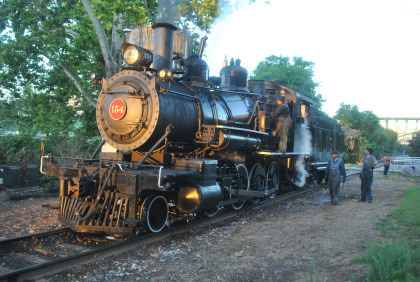
The same pose from last night, but this time in daylight. Everyone had to sign a release to be on the property and to also not be liable for any injuries that might occur.
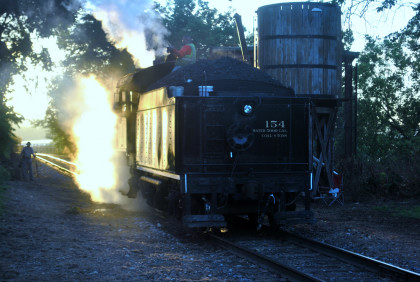
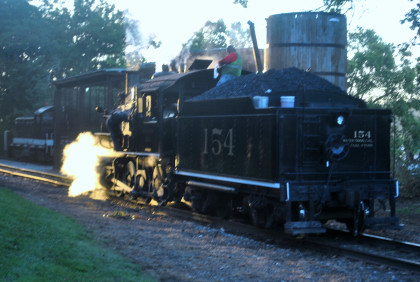
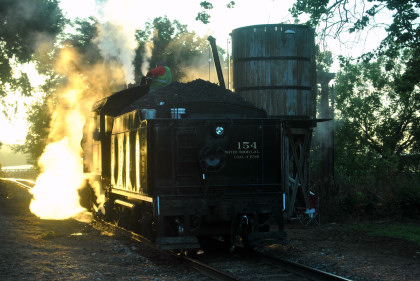
In the morning light, steam engines are always enjoyable to watch as the sun plays with the steam exhaust.
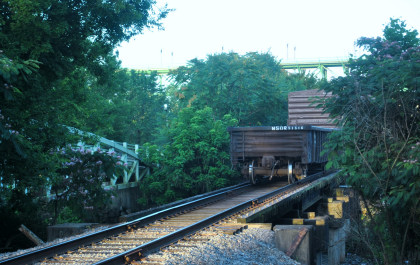
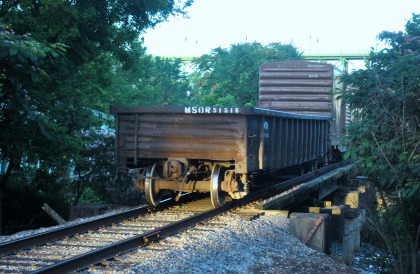
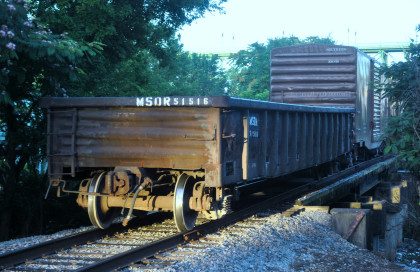
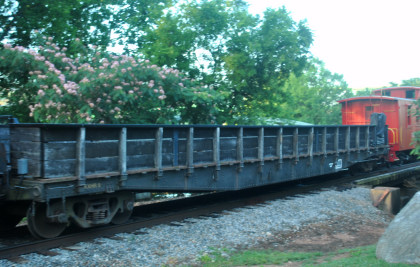
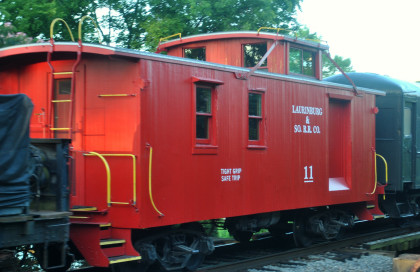
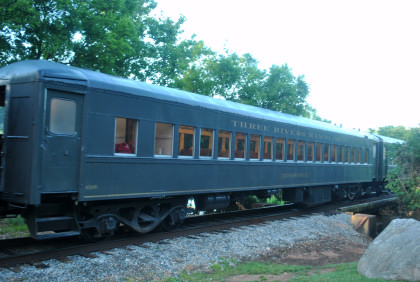
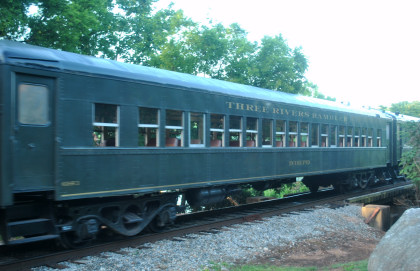
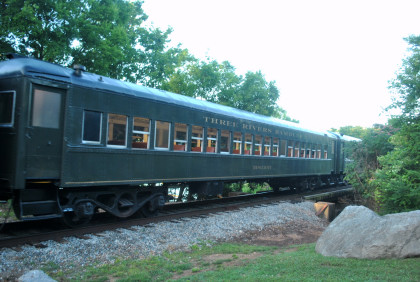
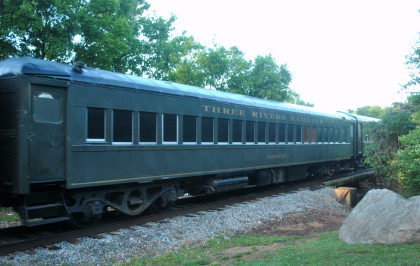
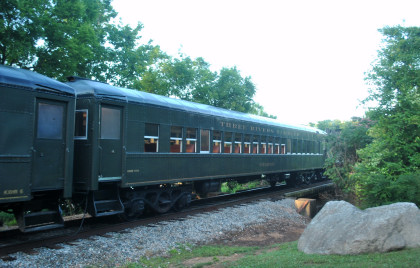
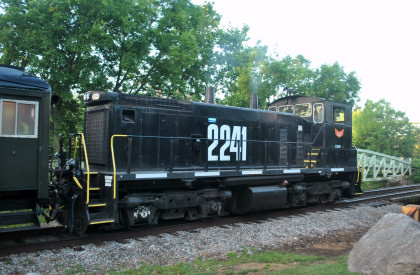
The train reversed into the boarding area which consisted of Southern Railway 2-8-0 154, MSOR gondola 51516, Southern boxcar 10048 KXHR 9 (built by Pullman in 1938), Georgia Railroad boxcar 2614, Laurinburg and Southern caboose 11, coach "Trustworthy" (originally Reading Railroad built by Harlan and Hollingsworth in the 1930s), coach "Intrepid" (originally Reading Railroad built by Harlan and Hollingsworth in the 1930s), coach "Resilient" (originally Reading Railroad built by Harlan and Hollingsworth in the 1930s), concession car "Resourceful" (originally Reading Railroad built by Harlan and Hollingsworth in the 1930s), coach 9119 "Steadfast" (originally Reading Railroad 862 built by Harlan and Hollingsworth in 1932) and Gulf and Ohio SW1500 2241, formerly Reading Railroad 2769, built by Electro-Motive Division in 1969.
We all boarded the rear coach and after a safety meeting inside the car, were told that there would be free food and drink inside the concession car at our leisure. We then departed at 8:15 AM.
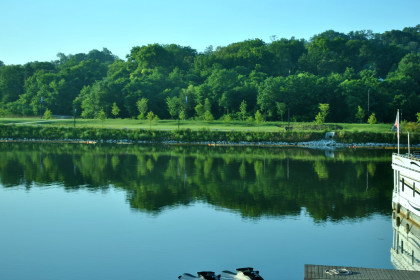
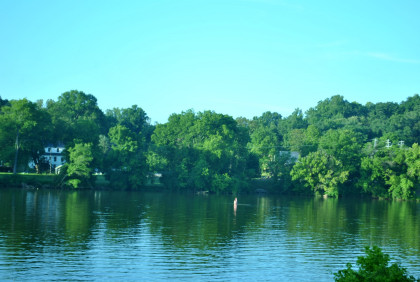
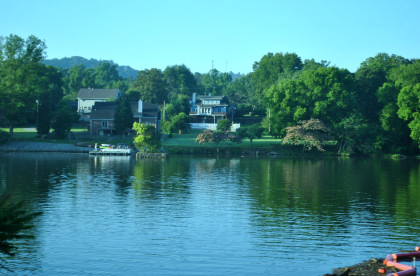
Views along the Tennessee River on a beautiful morning.
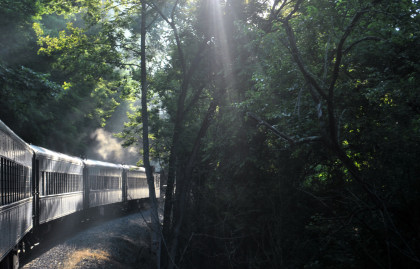
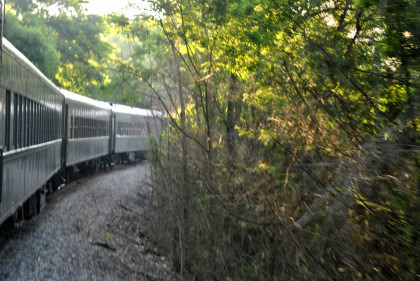
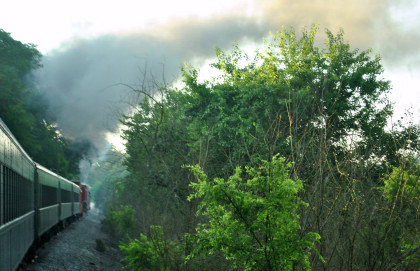
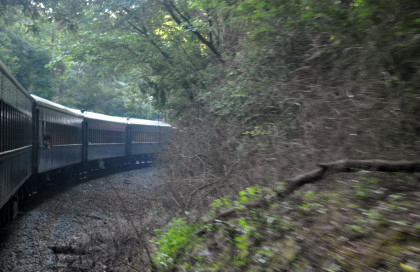
Passing through the forest.
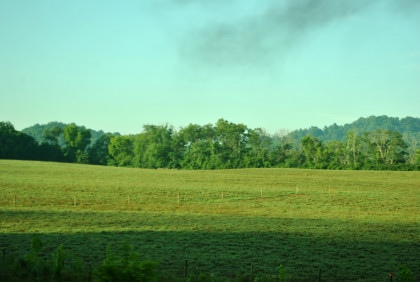
The forest gave way to fields.
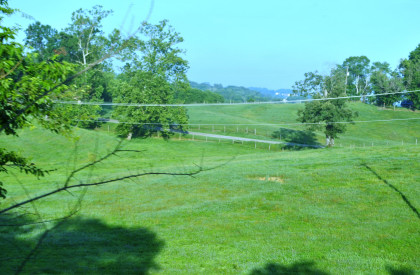
Some of the rolling countryside of Tennessee.
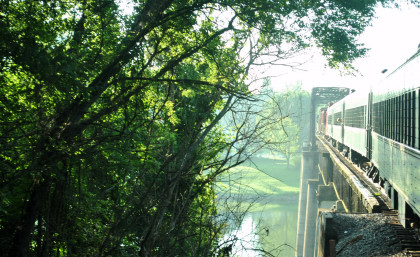
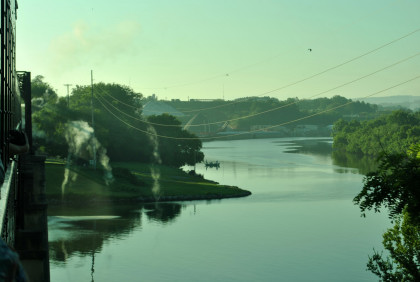
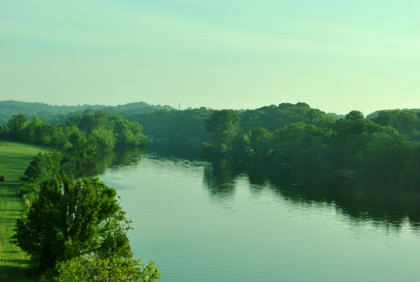
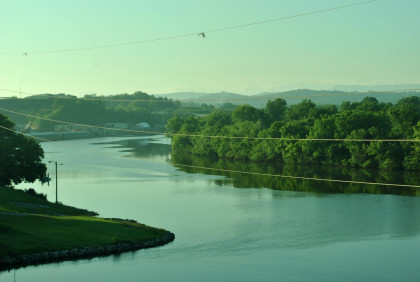
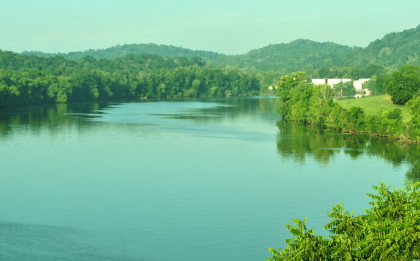
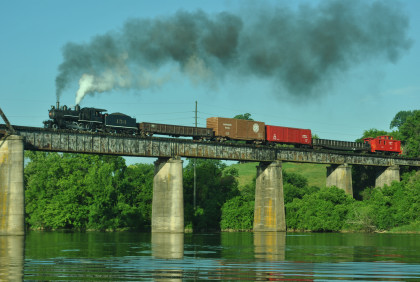
Traversing the Holston River at its junction with the Tennessee River on the 710 foot Strawberry Plains bridge, a Warren through truss with alternating verticals bridge built in 1907 for the original bridge built around the Civil War. This was the first photo runby location and we detrained from the passenger cars then walked into a cemetery, which would become the last shot, but as things happened, the passenger section was cut away from the freight portion, so those would be my first pictures as the switcher pulled the cars backwards.
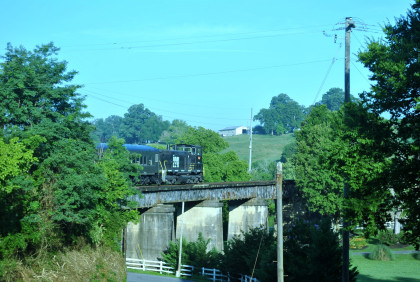
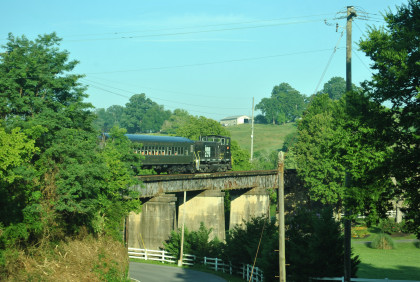
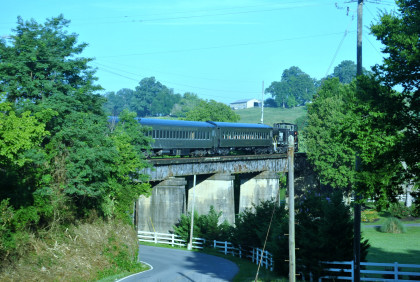
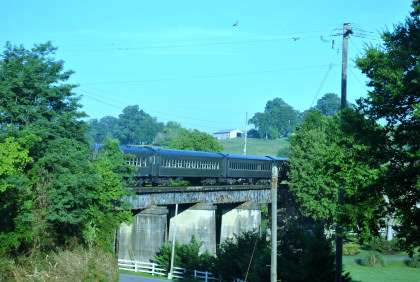
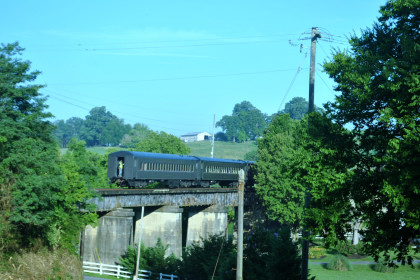
The cemetery reverse move with our passenger cars. Now we walked down with the property owner's permission to the shore of the Holston River.
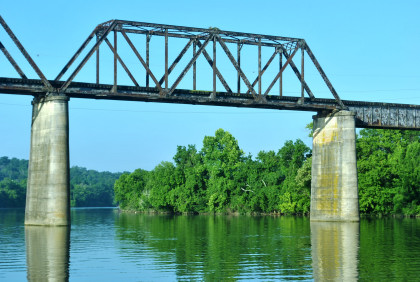
There was an osprey's nest on top of the bridge and the poor bird was not too happy with the photo runbys taking place underneath it, so it flew away for quite awhile.
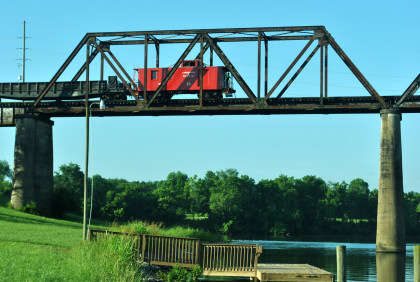
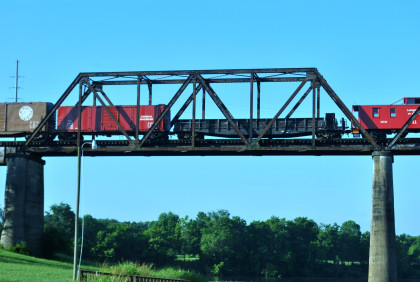
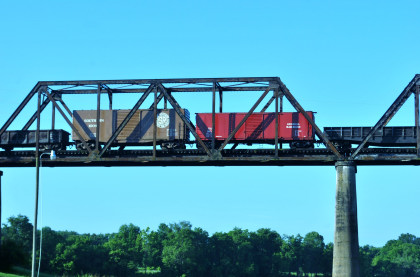
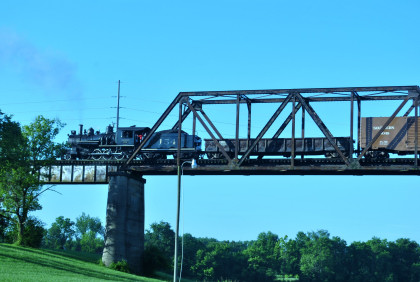
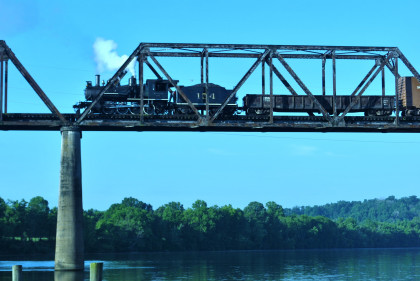
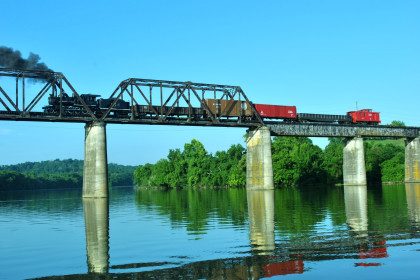
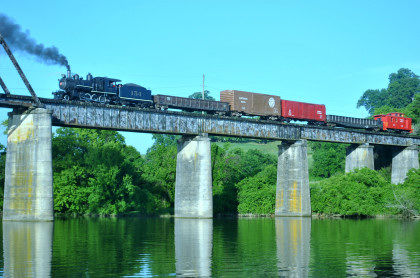
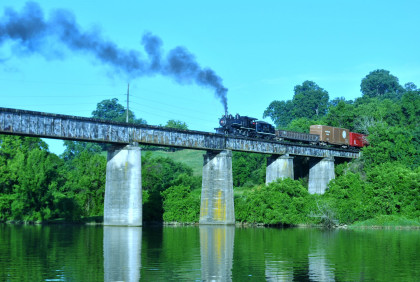
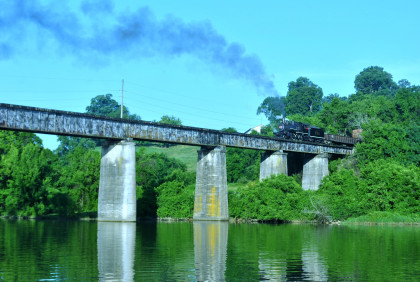
The reverse move of our photo freight.
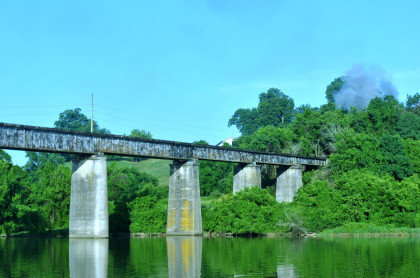
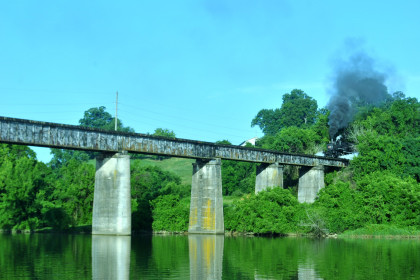
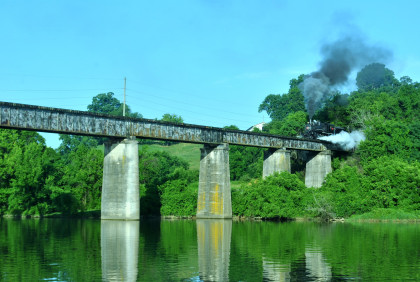
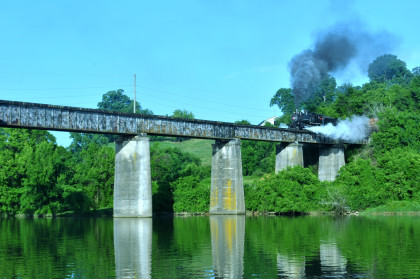
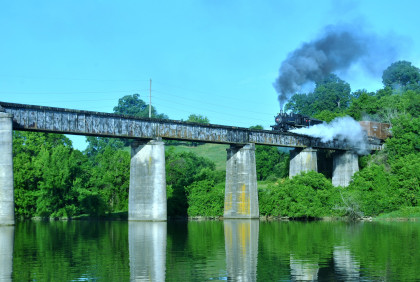
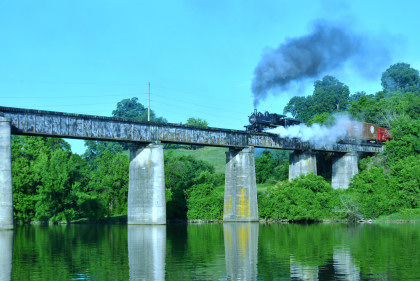
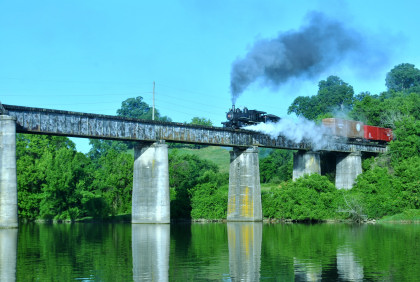
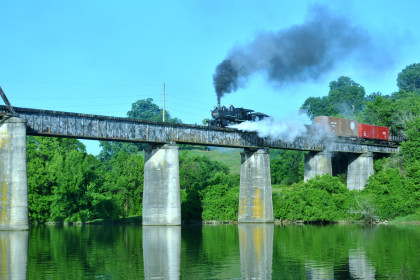
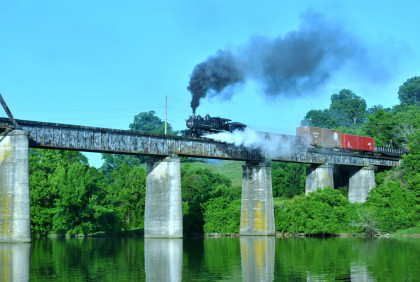
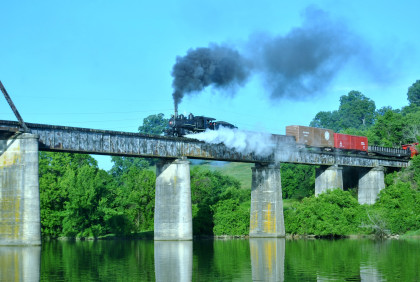
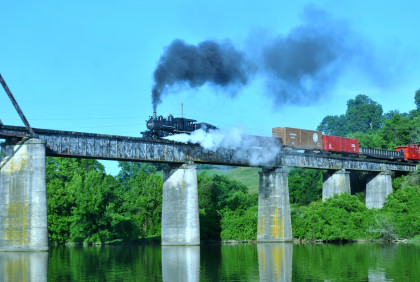
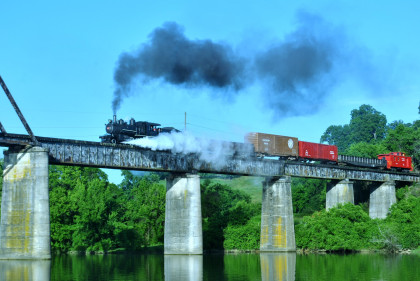
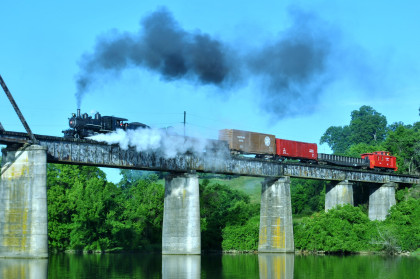
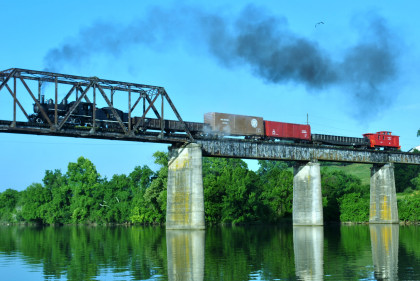
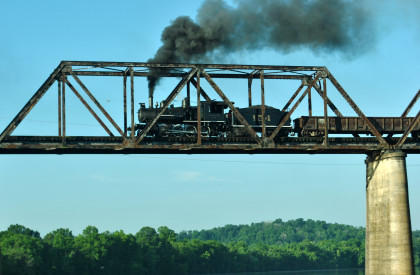
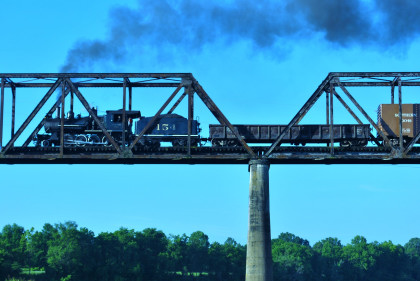
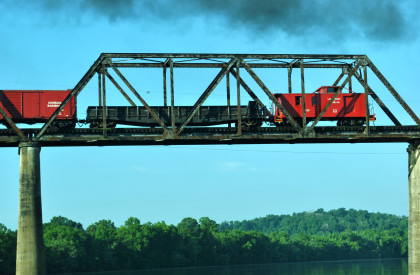
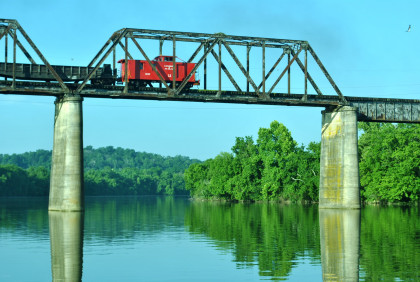
Photo runby one with the freight consist.
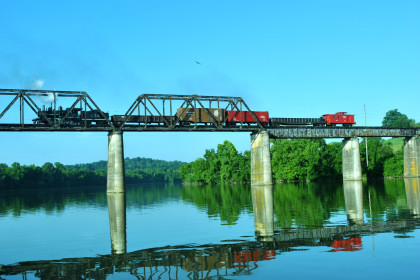
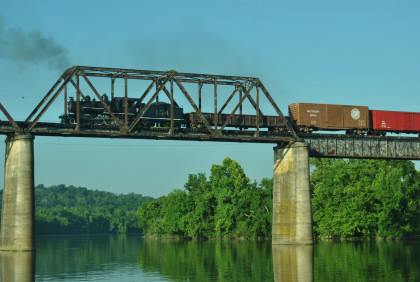
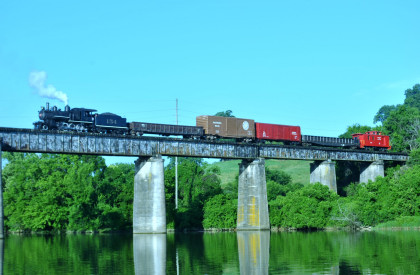
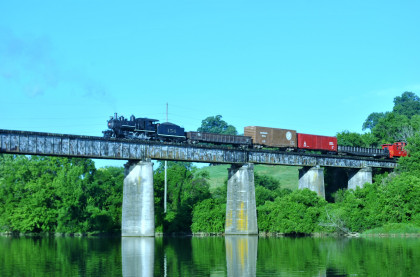
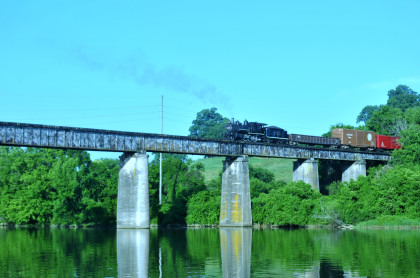
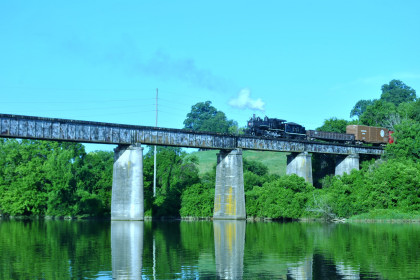
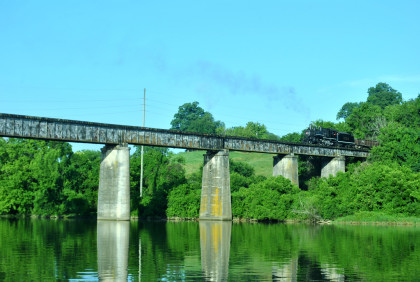
Reverse move two with the freight consist.
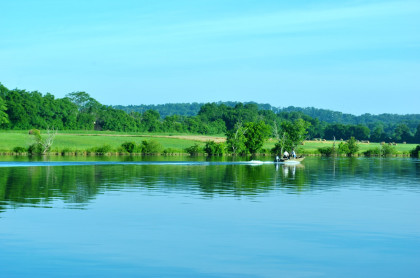
Before the train came forward, a motorboat came up the river.
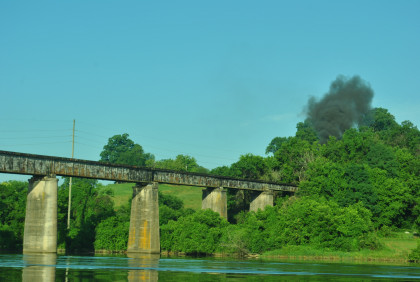
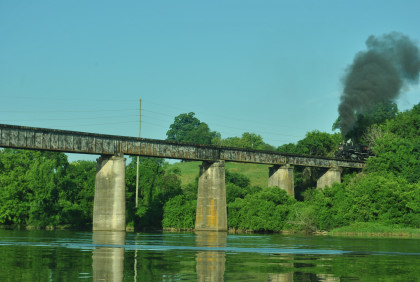
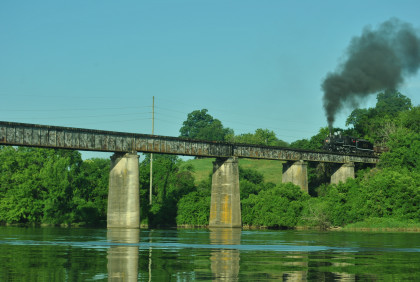
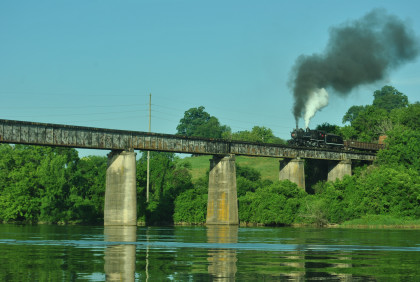
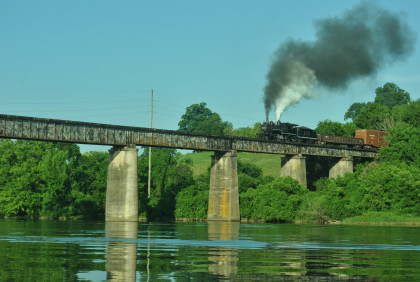
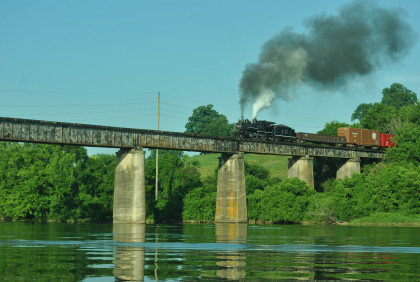
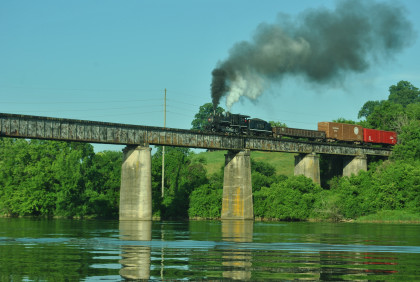
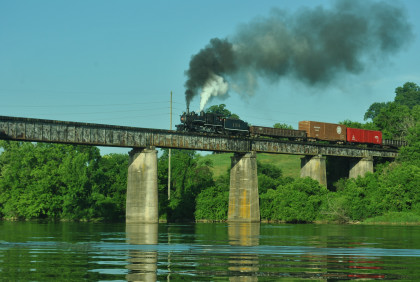
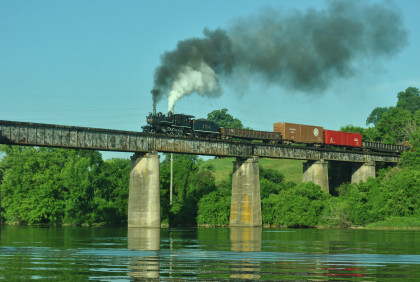
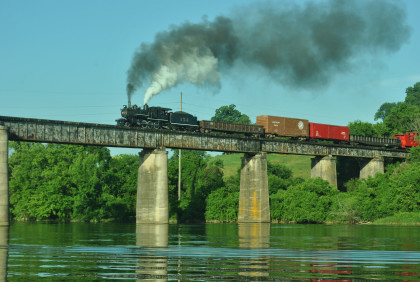
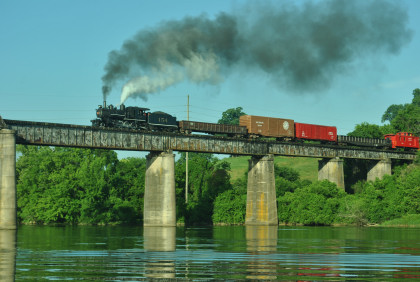
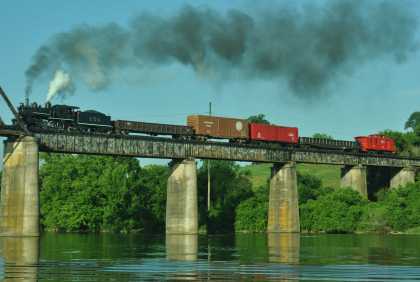
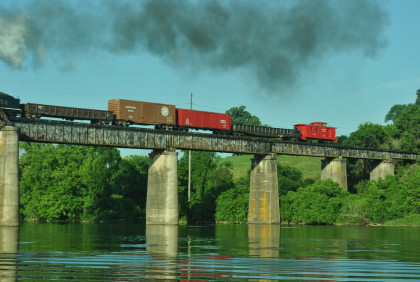
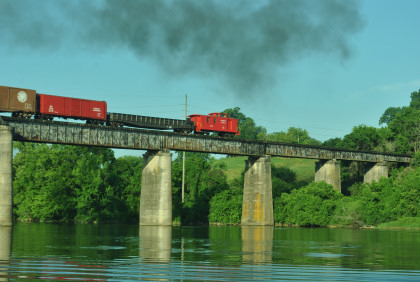
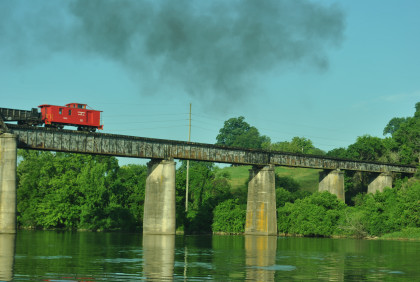
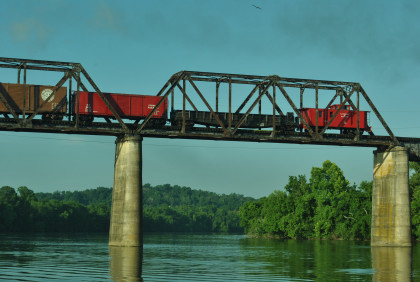
Photo runby two with the freight consist, which was most impressive.