




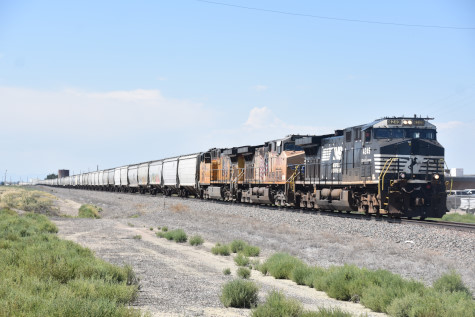
My wife Elizabeth is the Director of Communications for the Fraser Valley Heritage Railway Society in Cloverdale, British Columbia. The society is a member of the Heritage Rail Alliance, which holds an annual conference each autumn and this year, it took place in Durango, Colorado. After a very successful experience at the 2024 conference, Elizabeth and I were hopeful to be able to represent the society this year. That hope became reality and arrangements were made. Since there was a special event at the heritage railway the same weekend, Elizabeth was the only representative who was able to attend.
The majority of these photographs are by Elizabeth Guenzler as my camera started to have issues.The two of us departed Columbia and we drove west on Interstate 70 into Kansas.
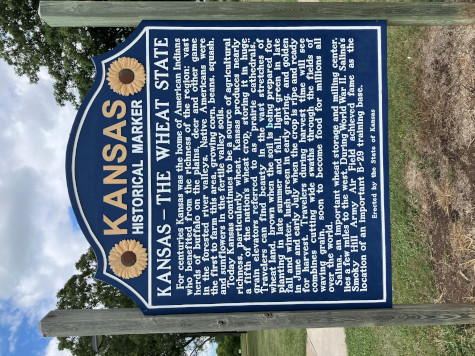
Kansas Rest Area Historical Marker - The Wheat State. Our stops today were few because we had previously photographed the stations along the route.
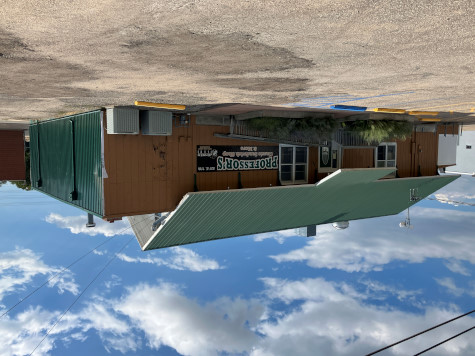
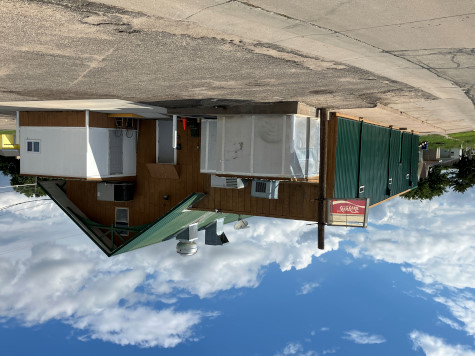
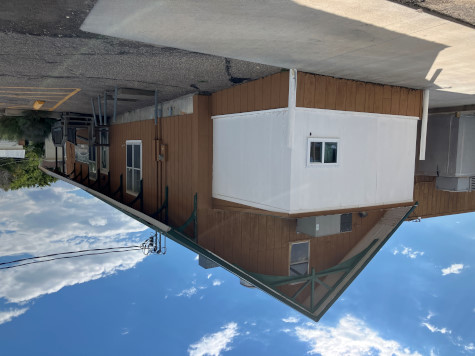
This heavily-modified Union Pacific depot was in Hays; the north half once served as the depot in Yocemento, 6.4 miles west. In the early 1920’s, it was moved to this location to serve as the home of the American Legion. Since 2017, the family-owned restaurant, Professor's has been the occupant. The restaurant was first opened in 1976 as Professor Pittewurst Panaceatic Inn by Professor Pittewurst, where they served amazing sandwiches and created a unique atmosphere. The sandwiches had been local favourites for over 40 years. Today, Professor's is owned and operated by the Jensen family and offer an array of healthy options including sandwiches, soups and salads. They also offer raw honey and homegrown mushrooms; the honey is harvested locally at Jensen Farms in Ellis County and helps as a natural sweetener of their signature lemonade.
We drove on 12th Street and turned right on 13th Street to the state's Merci Car display.
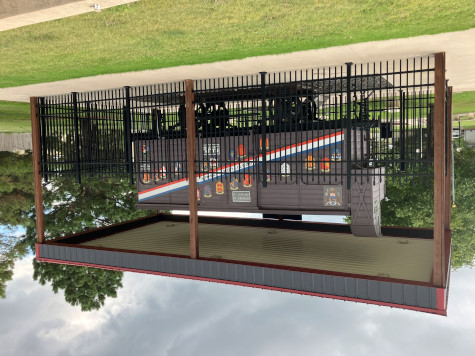
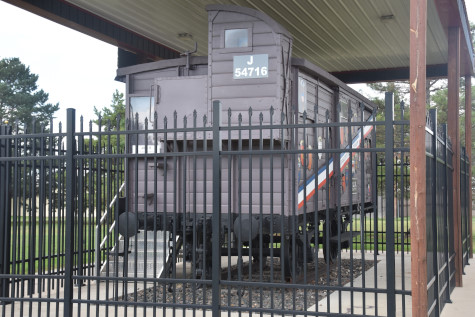
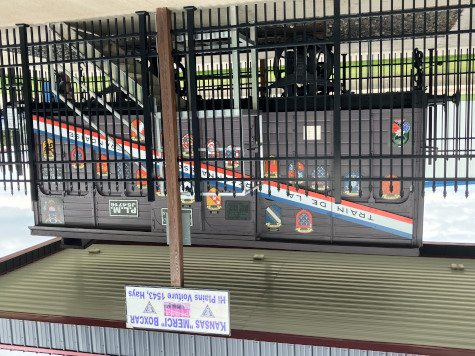
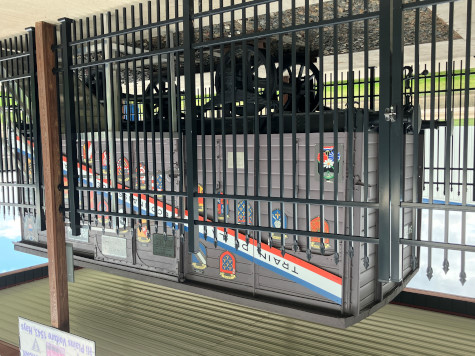
The Kansas Merci Car in Hays. One of 49 boxcars given to the United States by the citizens of France in 1949 to say "merci" for the generosity Americans showed in providing assistance to their country rebuilding from the ravages of war. To express their gratitude, the French people collected over 50,000 gifts ranging from Sevres pottery, Limoges porcelains, Baccaret crystal, engraved woodwork, church bells, bonnets, peasant costumes, and simple drawings from the children of France. The gifts were delivered using France's infamous boxcars.
These boxcars were built in France between 1852-1885 for use of shipping freight, horses, cattle and other domestic animals and troops during the two wars. Forty-nine of these cars were located, one for each state and the District of Columbia. The boxcars were repaired, painted and then filled with the gifts and called the "Gratitude Train" and arrived in the United States early February 1949. The Kansas Merci Boxcar was accepted by "Merci Gifts for Kansas, Inc." After being on display in Topeka, the car made a 140 day tour of Kansas, visiting 120 towns. Ending on Armistice Day, November 11, 1949, the boxcar was placed next to the library on the campus of the-then Fort Hays State College. The restored Kansas Merci Boxcar Museum and the Veterans Memorial Park can be seen at 1305 Canterbury.
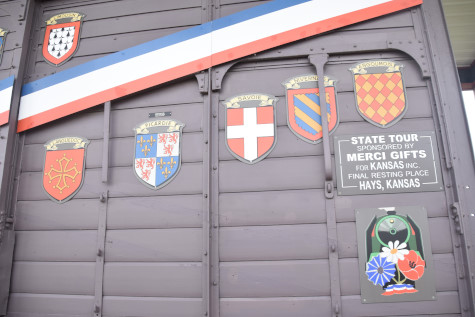
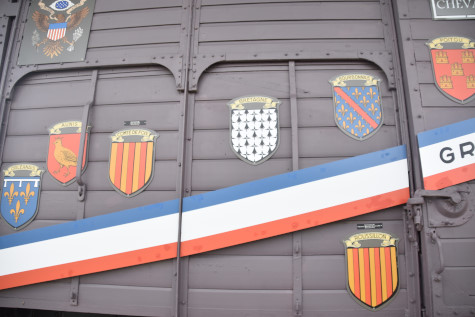
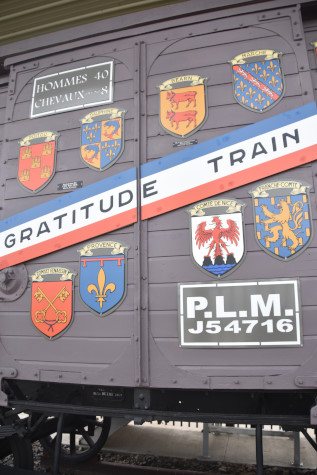
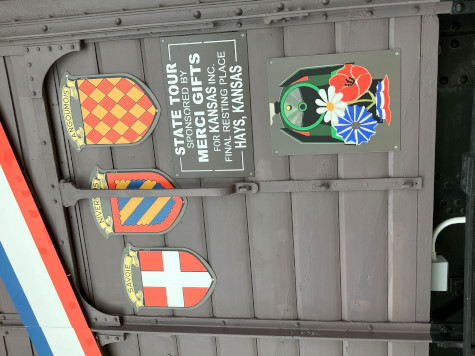
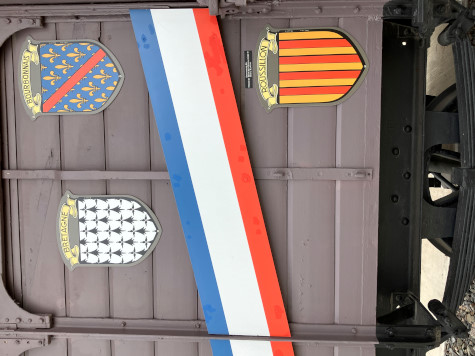
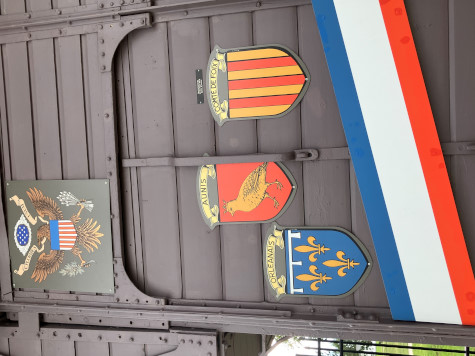
The French provincial crests.
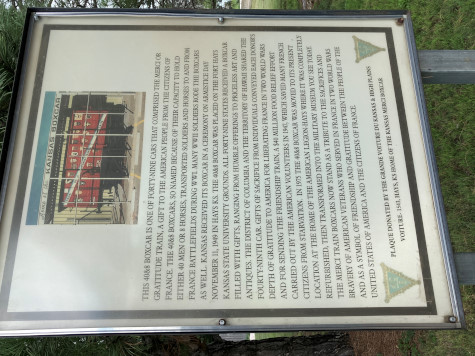
Merci Car plaque.
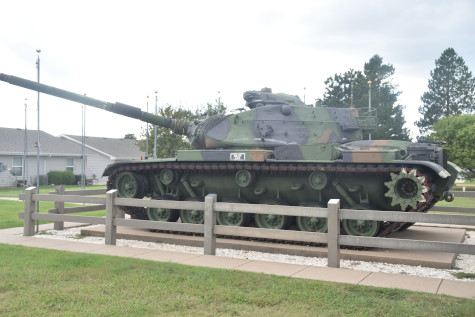
A United States Army tank on display.
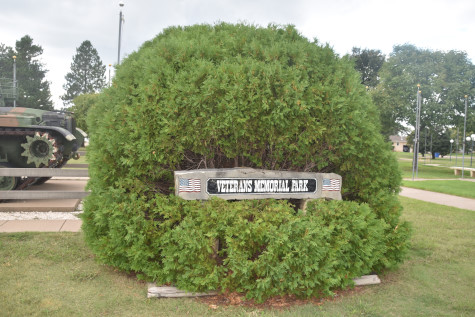
Veterans Memorial Park. We went to Jimmy John's for an early dinner then drove to Oakley, Kansas and checked into the Sleep Inn.
9/2/2025 We had breakfast at International House of Pancakes then I drove to Kit Carson.
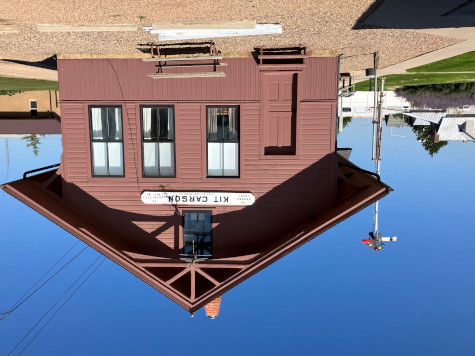
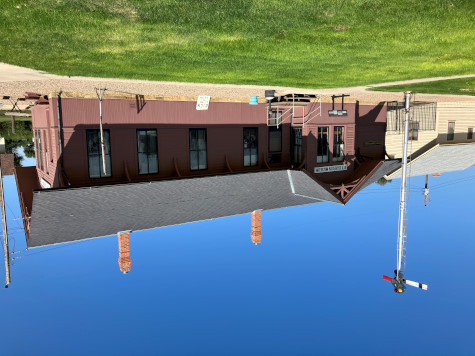
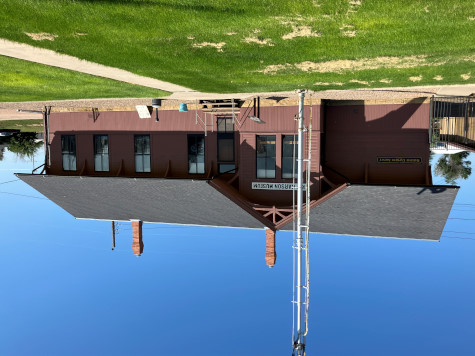
Union Pacific Kit Carson station built in 1904. In addition to handling passengers and freight, this depot also served as the station agent's residence. A prominent bay window located in the office area provided the agent with an unobstructed view of the track in both directions. With minor exceptions, the interior of the depot retains its original layout and materials. Although moved from its original track side location by the Kit Carson Historical Society for use as a museum when threatened with demolition in 1969, it remains architecturally important as the most intact Colorado example of this depot type.
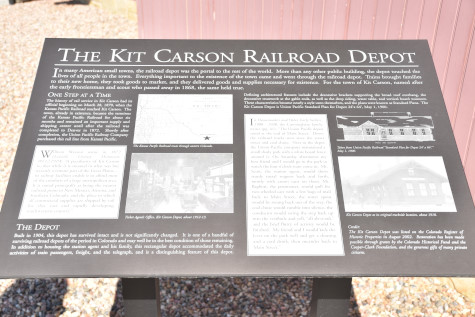
Kit Carson Railroad depot information board.
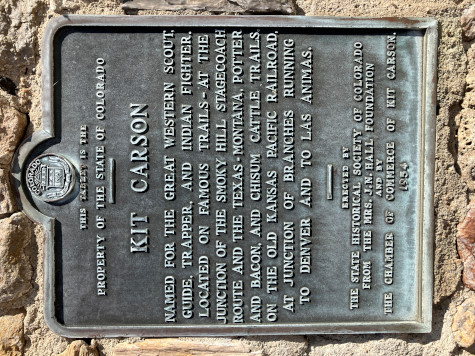
The State of Colorado plaque about Kit Carson.
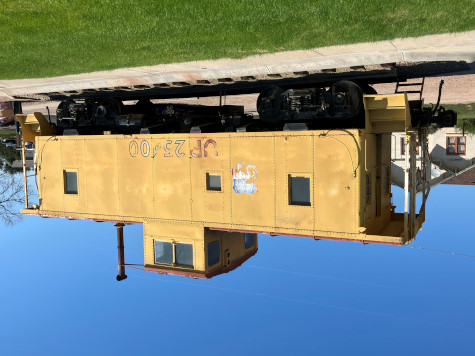
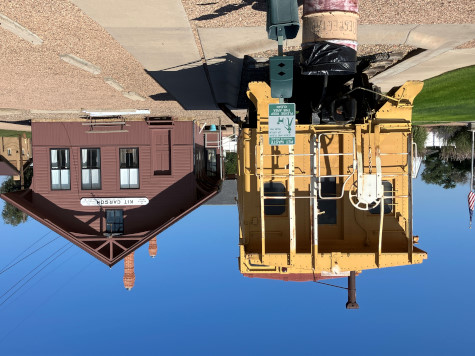
Union Pacific caboose 23400 built by the company in 1959.
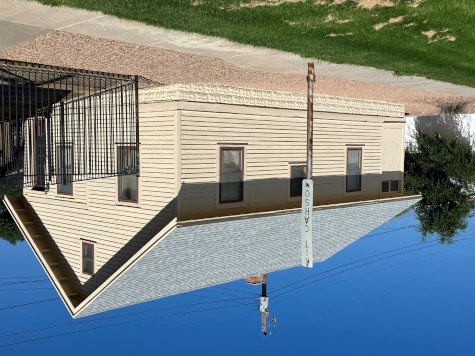
Union Pacific signal maintainer's house.
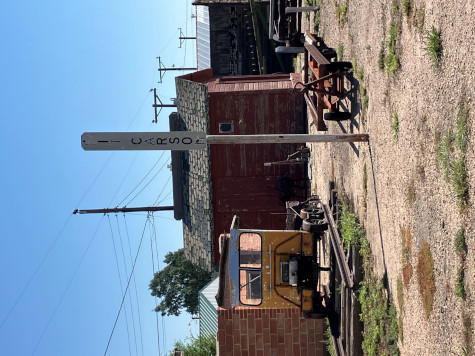
Kit Carson sign and a speeder. Next we drove to Sugar City.
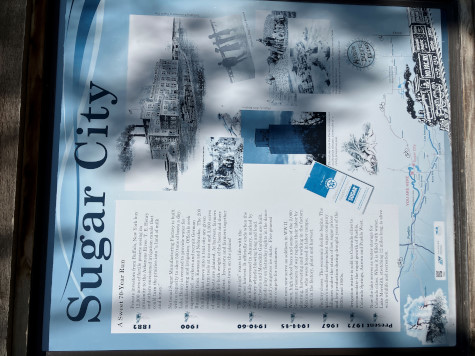
Sugar City timeline. The town is located in the eastern plains of Colorado, north of the Arkansas River. Lake Meredith is just south and southwest of town. From 1900 to 1967, the National Sugar Company had their main sugar beet processing plant in Sugar City. The company imported Germans from Russia in 1900 to build the factory. For many years, the primary focus for many people throughout Crowley County was the harvesting and processing of the sugar beet crop between October and January. After long summers of labour-intensive cultivation, October would find thousands of workers in the fields pulling beets by hand, while hundreds more worked round-the-clock at the factory, processing beets until the entire crop was done. Over the years, the company recruited many Hispanic workers and, during World War II, German POW's and Japanese-American detainees did some of the work.
Annually, National Sugar converted thousands of acres of sugar beets into millions of pounds of granulated sugar. The company was a successful independent in an industry dominated by multi-national conglomerates. National Sugar stayed profitable through price fluctuations, poor beet harvests, labour shortages and other crises, providing work to scores of labourers and a dependable income to many local farmers. And then, despite a run of record-breaking harvests, the artificially collapsing commodity markets in 1967, caused by a grand collusion between the US Department of Agriculture and several multi-national corporations, pushed National Sugar into bankruptcy and killed the business.
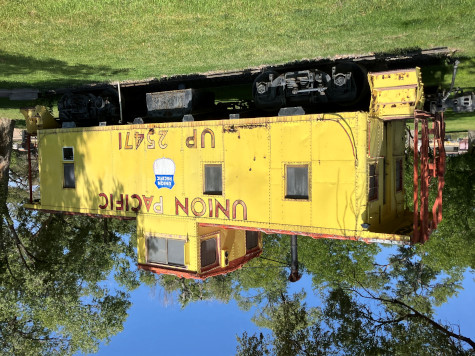
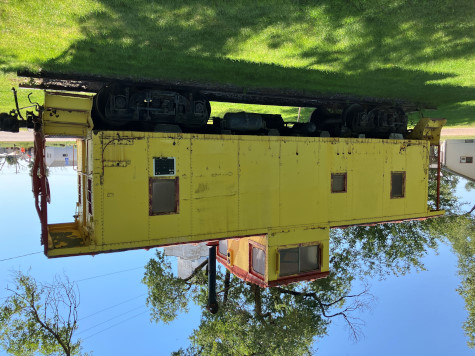
Union Pacific caboose 25471 built by the railroad in 1955, which was donated to the Sugar City Community Club in 1988.
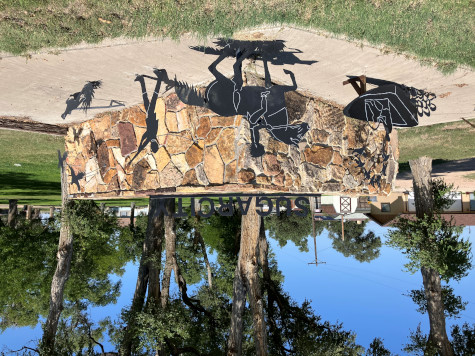
Sculptures depicting the history of the town. The two of us then decided to re-visit a few stations from 2021, starting with Rocky Ford.
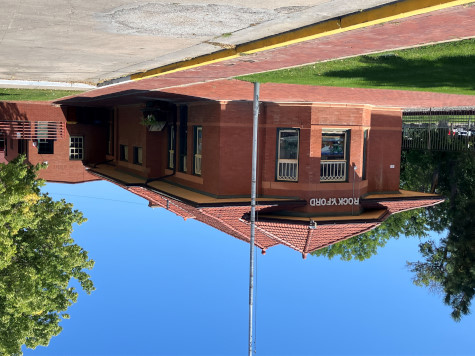
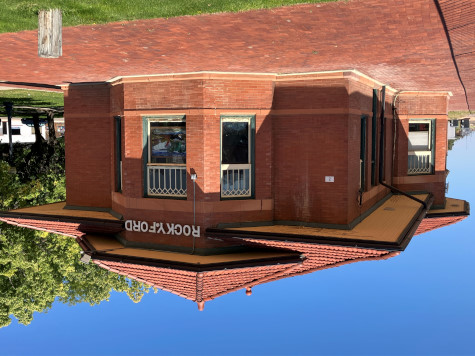
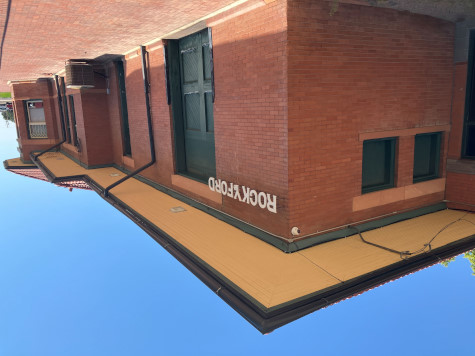
Santa Fe Rocky Ford station built in 1907, now the Chamber of Commerce.
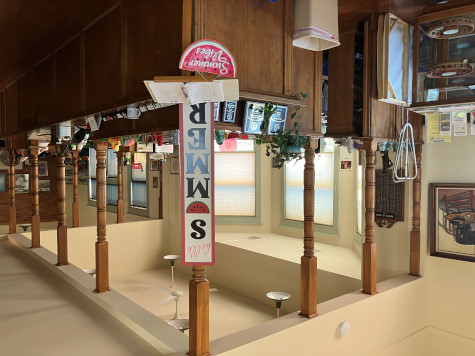
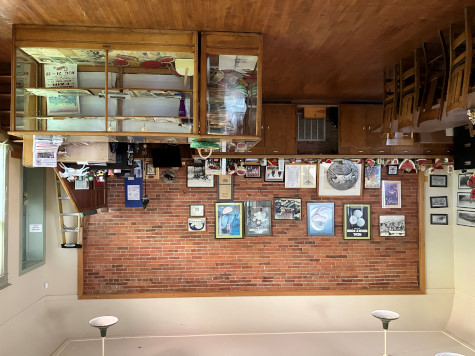
The interior of the station. We continued to Manzanola, Spanish for red apple.
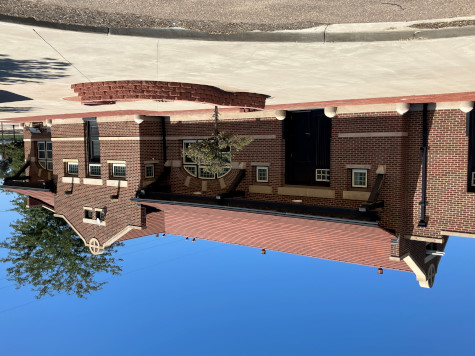
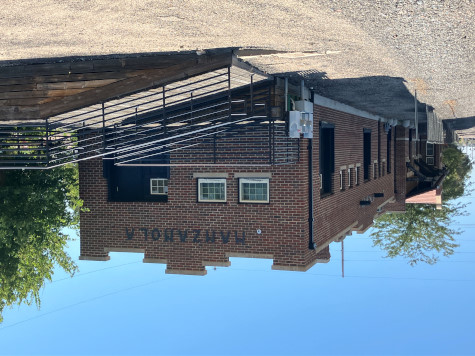
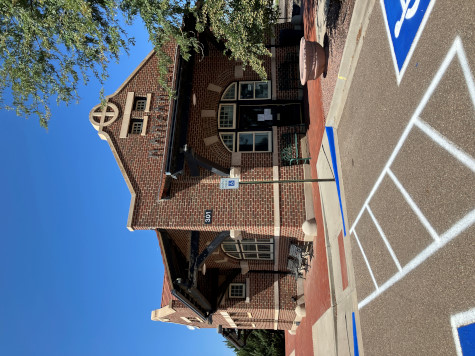
Santa Fe Manzanola station built in 1913.
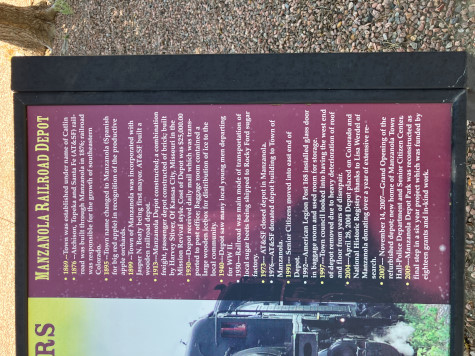
Manzanola depot timeline.
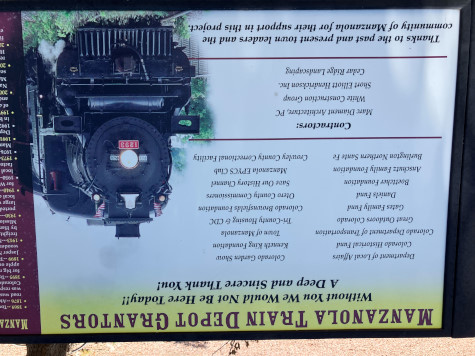
Manzanola Train Depot Grantors. It was not a long drive to Fowler.
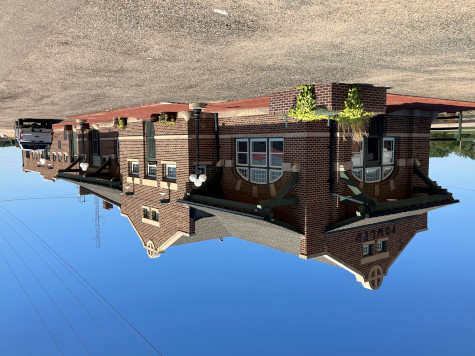
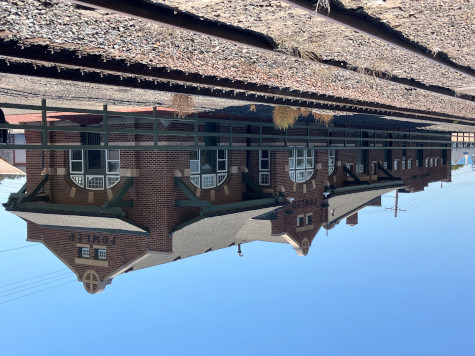
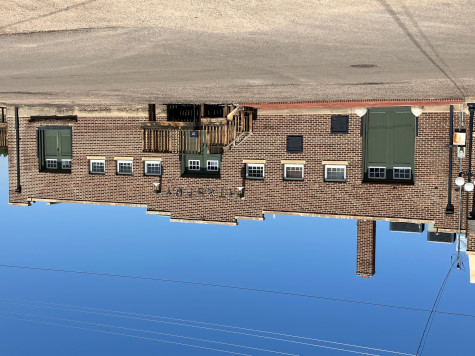
Santa Fe Fowler station built in 1913.
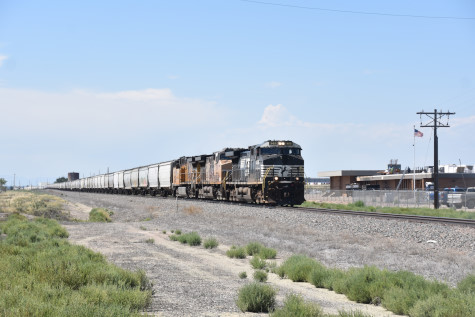
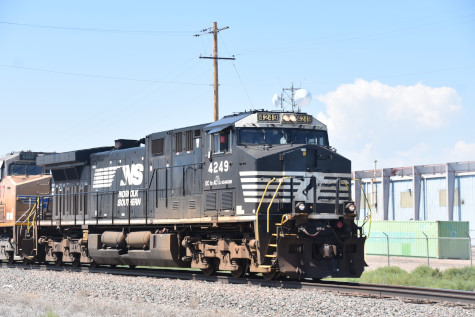
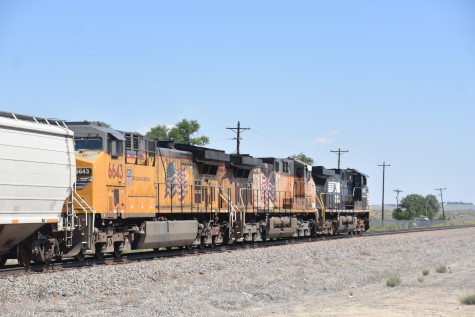
Norfolk Southern 4249 East came through while we were here. Continuing west, our next stop was Walsenburg.
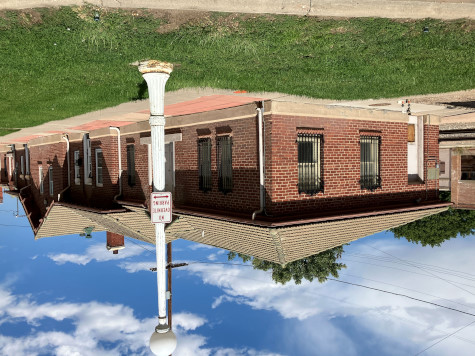
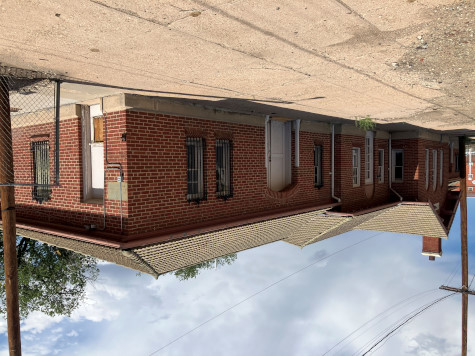
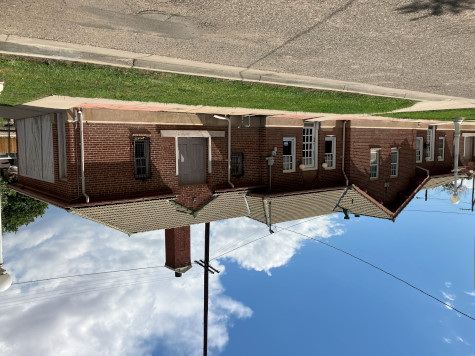
Denver and Rio Grande Western Walsenburg station.
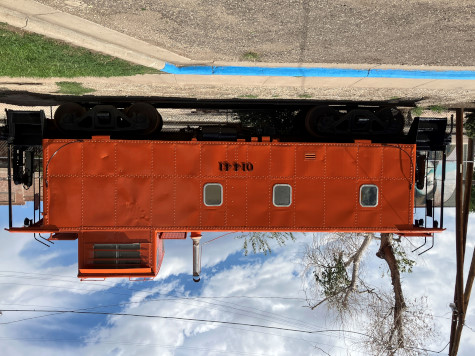
Denver and Rio Grande Western caboose 01441, built by the railroad in 1945. Driving west on US 287, Elizabeth and I decided to make a short detour to La Veta.
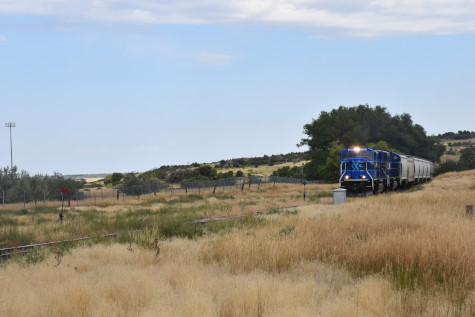
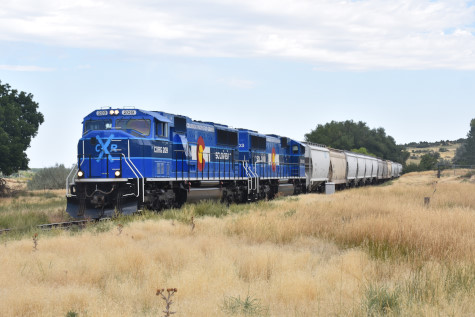
It was very timely that Colorado Pacific 209 West came through town.
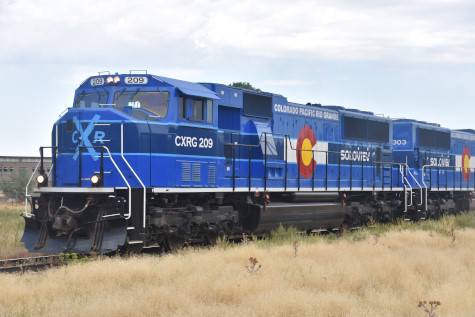
Colorado Pacific SD70MAC 209, ex Dieselmotive Power 209, nee BNSF 9832, built by Electro-Motive Division in 1997.
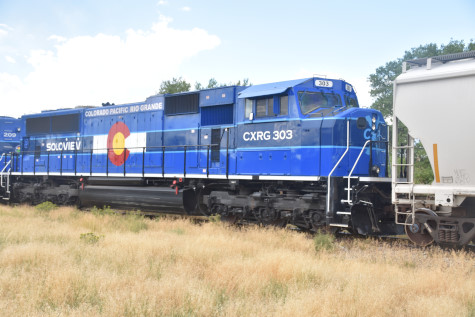
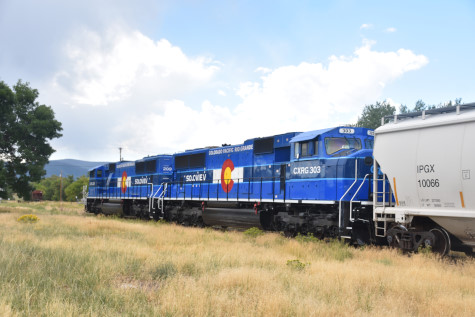
Colorado Pacific SD70MAC 303, ex Dieselmotive Power 303, nee BNSF 9974, built by Electro-Motive Division in 1997.
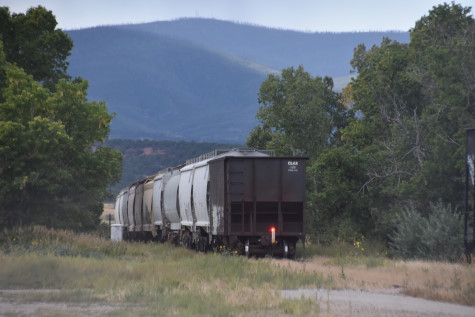
The end of the train.
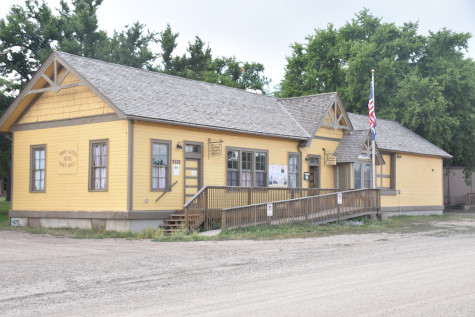
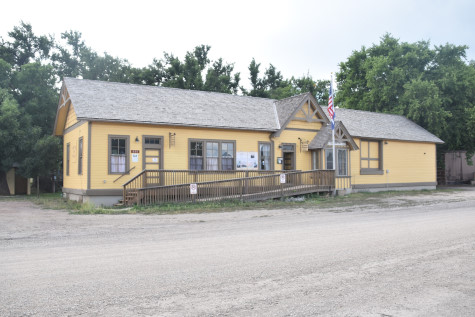
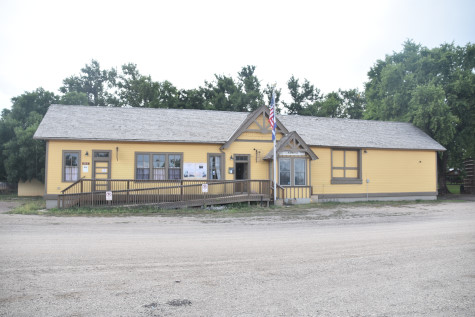
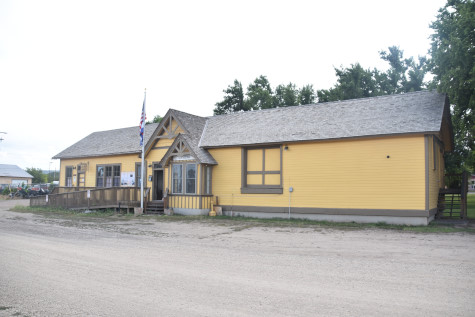
Denver and Rio Grande Western depot built in 1876.
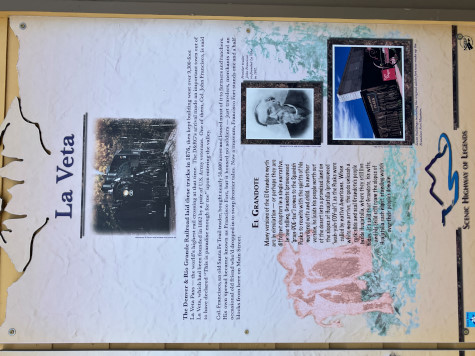
La Veta Pass and El Grandote history board.
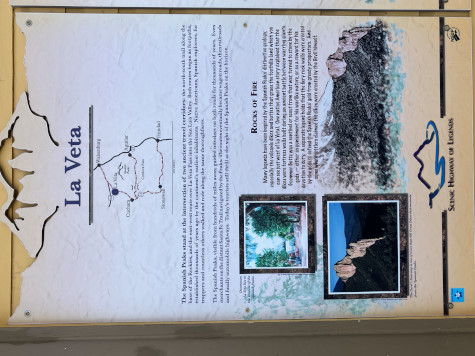
The Spanish Peaks history board.
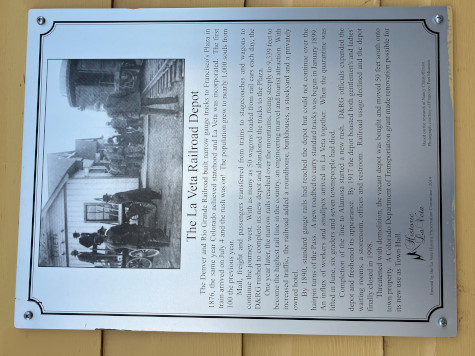
La Veta railroad depot history board.
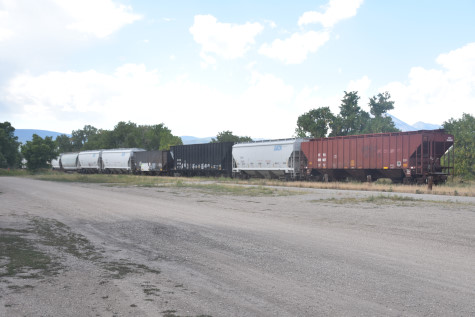
The freight train reversed for a few minutes, then we departed and drove over La Veta Pass, taking US 287 to Alamosa, where we stopped to photograph locomotives and passenger cars of the San Luis and Rio Grande Railroad.
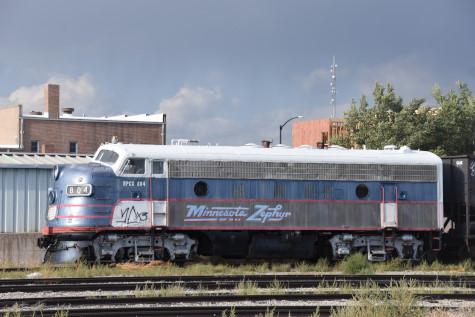
Railroad Passenger Car F7A 787, ex. Minnesota Zephyr 787, exx. Colorado and Eastern 716, exxxx. Cadillac & Lake City 716, exxxxx. Burlington Northern 716, exxxxxx. Burlington Northern 9756, nee Spokane, Portland & Seattle 804, built by Electro-Motive Division in 1953.
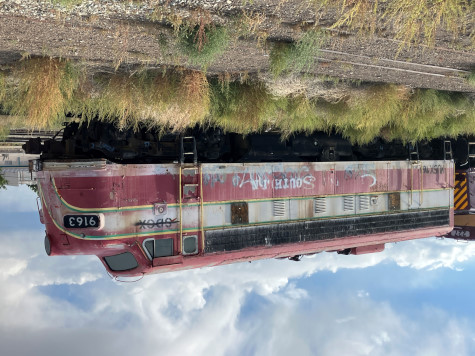
Carolina Southern F7A 9163, ex. Waccamaw Coast Line 9163, ex Canadian National 9163, nee Canadian National 9116, built by Electro-Motive Division in 1952.
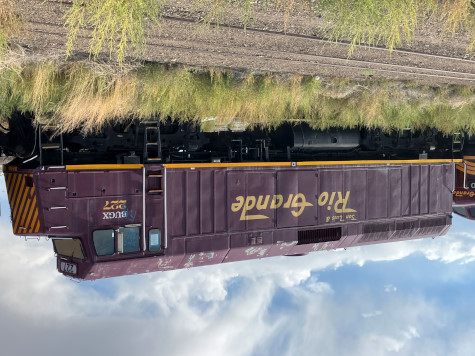
San Luis and Rio Grande F40PH 227, nee Amtrak F40PH 227, built by Electro-Motive Division in 1976.
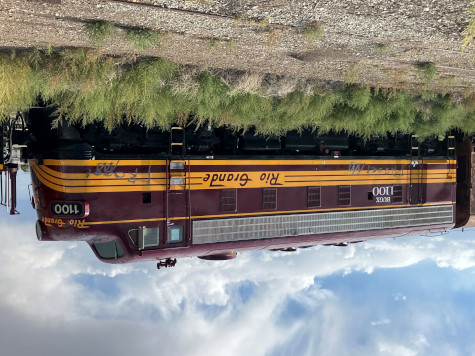
Diesel Motive Company FP10 1100, ex. New Century Rail Transport 1100, exx. Huntsville & Madison County Railroad 1100, exxx. Cape Cod Central Railroad 1100, exxxxx. Massachussetts Bay Transit Authority 1100, nee Gulf, Mobile & Ohio F3A 805A, built by Electro-Motive Division in 1946.
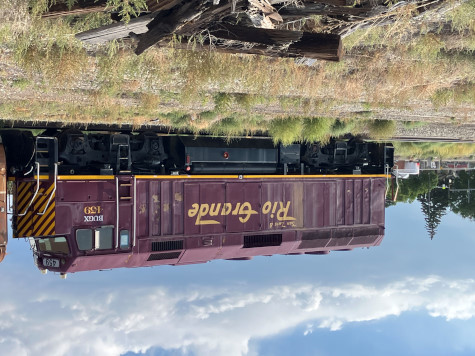
San Luis & Rio Grande F40PH 459, ex. Canadian American Railroad 459, nee Amtrak F40PH 264, built by Electro-Motive Division in 1976.
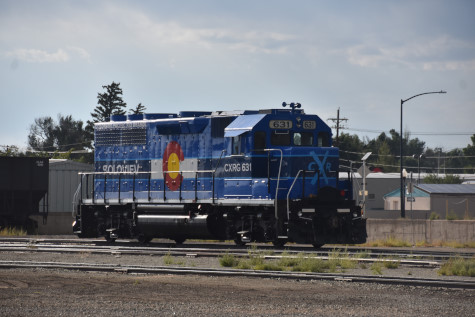
Colorado Pacific GP40 631, ex. Canon City and Royal Gorge 3104, exx. Wisconsin Central 3004, exxx. Chicago Missouri & Western Railway 3004, nee Western Pacific 3521, built by Electro-Motive Division in 1970.
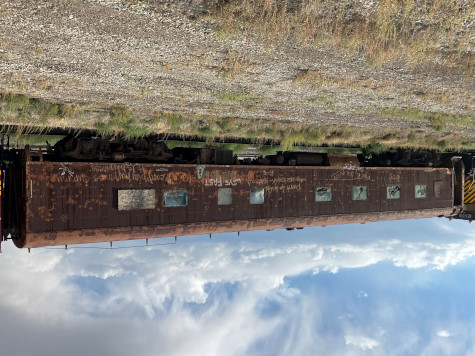
Illinois Central 3-1-1-lounge "General Jackson", built by Pullman-Standard in 1942.
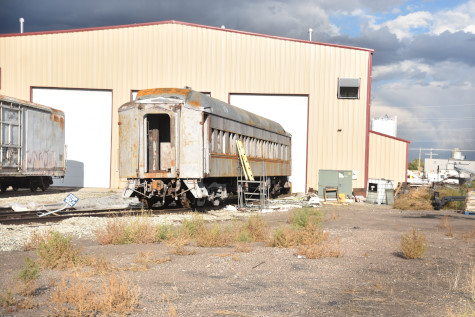
An unidentified coach undergoing restoration.
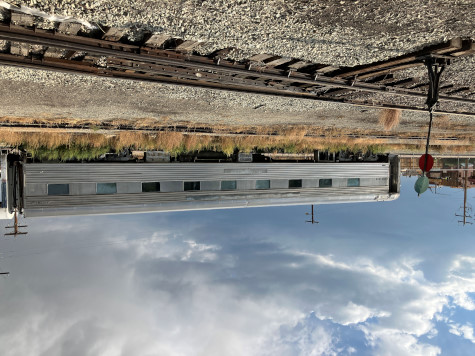
Iowa Pacific sleeping car 9119 2002, ex. San Luis and Rio Grande sleeping car 9119, exx. Memphis Transportation Museum "Winston Hoover" PPCX 800331, exxx. Amtrak 2361 1971, nee Santa Fe 4-4-2 sleeping car "Regal City" built by Pullman-Standard in 1948.
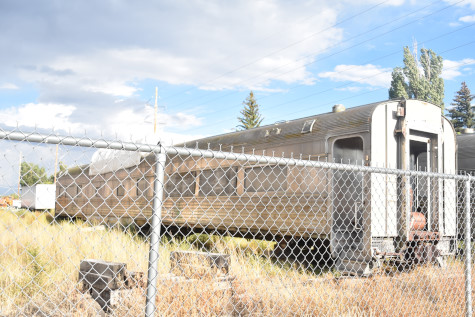
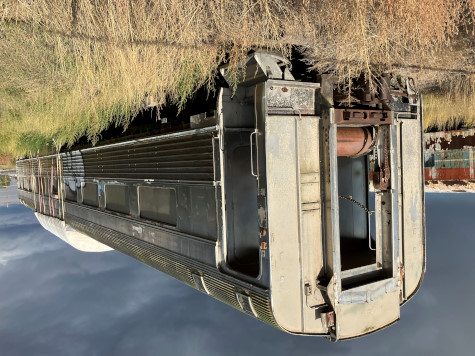
Iowa Pacific dome car, ex. Dave Varilek in 1995, exxx. Robert Moen in 1987, exxxx. Rail Dome Corporation in 1978, exxxxx. Amtrak 9464 1972, exxxxxx. Burlington Northern 4604, nee Great Northern 1324 built by Budd in 1955.
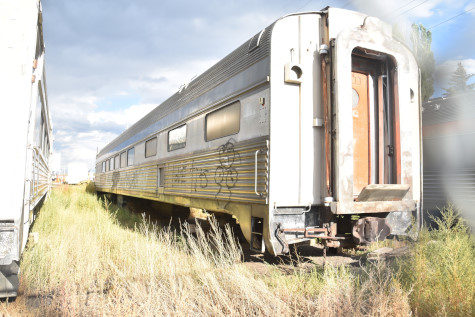
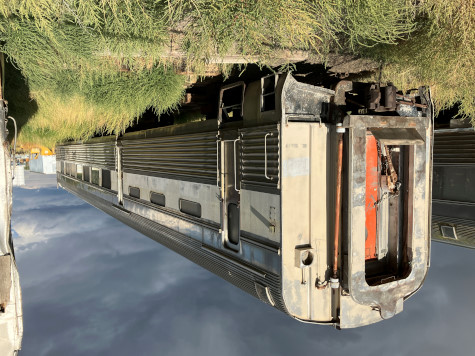
Union Pacific Mobile Police Unit 250, ex. Southern Pacific Mobile Police Unit 250, exx. Southern Pacific test car 250 1971, exxx. Southern Pacific 3104 1961, exxxx. Texas and New Orleans 302 1951, nee Southern Pacific baggage-dorm 3104 built by Budd in 1950. It was sold to a private owner in Fremont, Nebraska in 2003 then was purchased by Iowa Pacific in 2014. It was sold in 2022 to a Dark Sky Station.
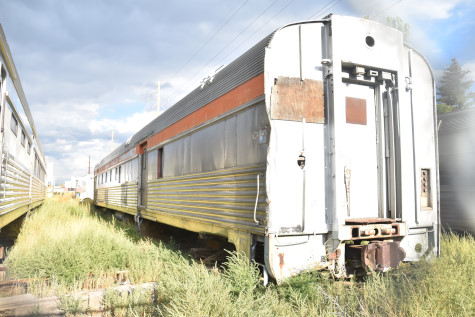
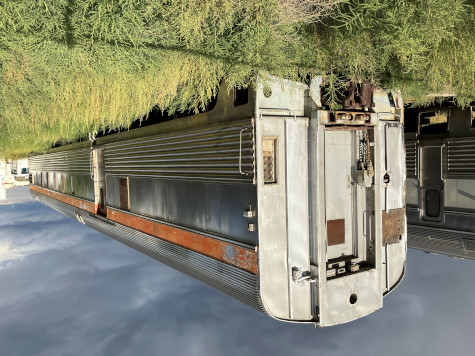
Iowa Pacific dining car 2014, ex. private owner in 1994, ex. Amtrak 8324 1971, ex. Southern Pacific diner-lounge 10411 in 1968, ex. Southern Pacific grill-lounge 10411 1957, nee Southern Pacific coffee shop-lounge 10411 built by Budd in 1950.
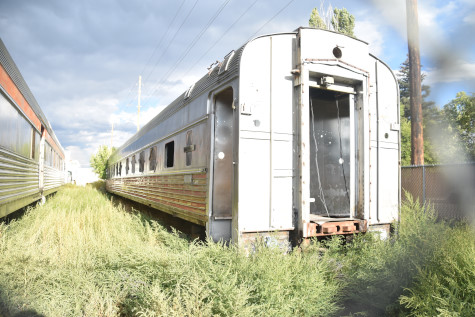
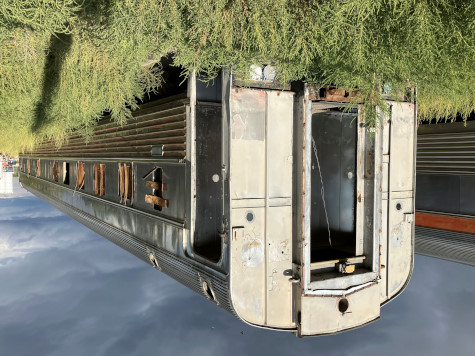
Iowa Pacific sleeping car 2894, ex. private owner in 1995, exx. Amtrak 2894 1980, exxx. Amtrak 2628 1971, exxxx. Union Pacific 1435 "Pacific Rest" 1969, nee Union Pacific 10-6 sleeper "Pacific Rest" built by Budd in 1958.
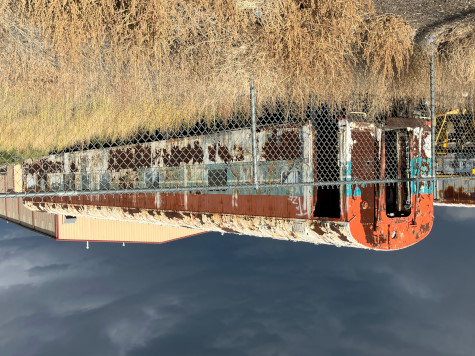
James E Strates Shows crew car 2, ex. Illinois Central 1803, nee Illinois Central coach 3653, modified heavy weight coach converted to crew car, built by Pullman in 1917
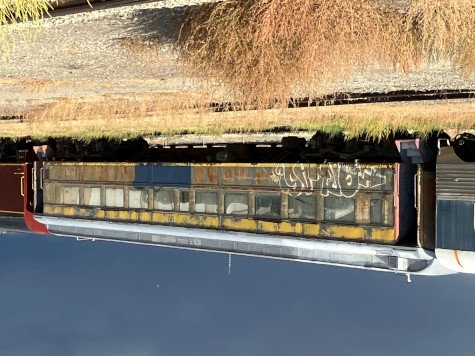
Former Cadillac and Lake City coach 1393 1970, ex. Norfolk and Western 1393 1964, nee Wabash 1393 built by American Car and Foundry in 1925.
We went to Chili's for our first time, had a very good meal, then checked into the Quality Inn for the night.
9/3/2025 After checking E-mail and the Internet, we went to Campus Café for breakfast and made our way to South Fork.
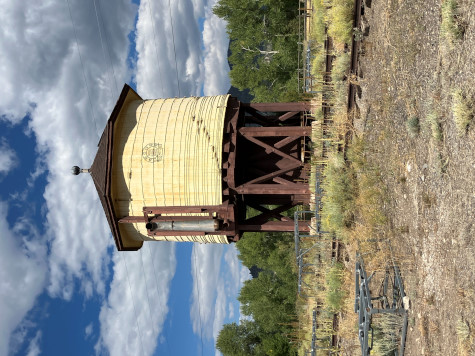
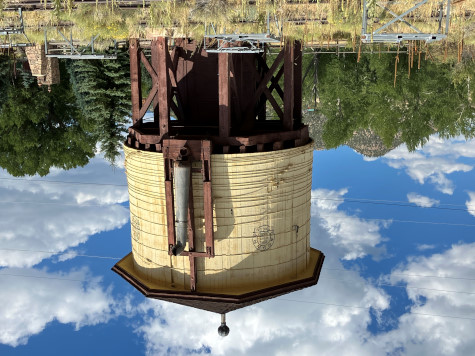
The water tower in South Fork, built in 1881.
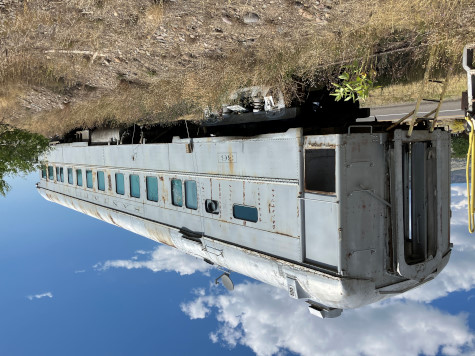
Santa Fe business car 36, built by Pullman in 1924.
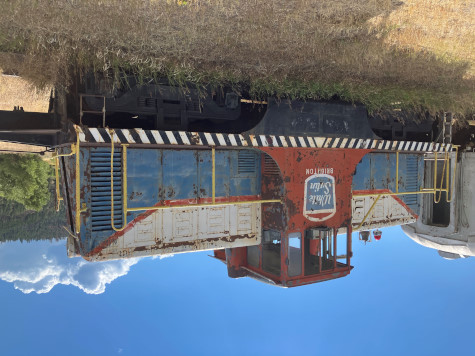
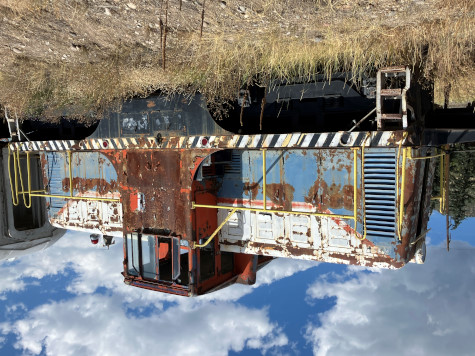
White Satin Brighton 44 ton switcher 1, ex. Amalgamated Sugar 1, exx. Amalgamated Sugar 4, exxx. Great Western 40, nee Denver and Rio Grande Western 40 built by General Electric in 1942.
Continuing to our destination of Durango, Elizabeth and I parked at the station's parking lot and walked over to the depot to check in for the conference.
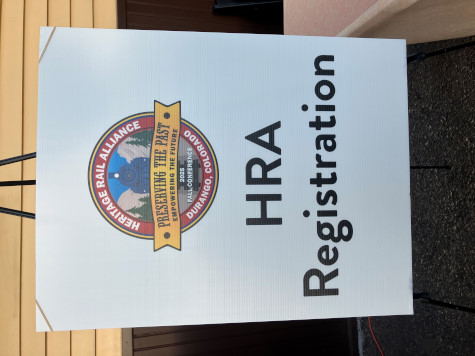
There was no mistaking where the registration was.
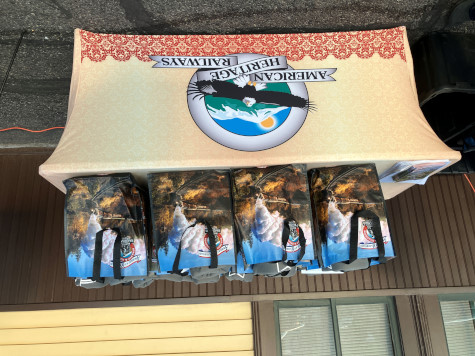
The souvenir bags of "loot" containing several Durango and Silverton Railroad items such as a blanket, hat, thermal mugs and Christmas tree ornament, all emblazoned with the conference logo. We checked in to the Fairfield Inn for the next four nights and later went to Denny's for dinner then returned to the hotel.
| RETURN TO THE MAIN PAGE |