



Elizabeth and I arose at 5:30 AM and we drove to 7-Eleven for breakfast snacks before Elizabeth drove us to the Norgrove Railway in Arroyo Grande. We soon found Dak Dillon and checked in for the second of two steam charters.
The Norgrove Railway, located at Norgrove Gardens Vineyard, is home to an exceptional collection of historic narrow gauge steam locomotives, each with its unique story and place in railway history. This was the first time Norgrove had held a photo event and one of the first times it has been open to an outside group. Extra crew will be on hand to make the event possible thanks to a large British contingent, who flew in especially for charter. Its founder, Peter Nott, created this railway in 2017 and every tie plate is custom-made and stamped with the year that operations commenced.
As participants were arriving and we were waiting for the safety briefing, the two of us started photographing the equipment.
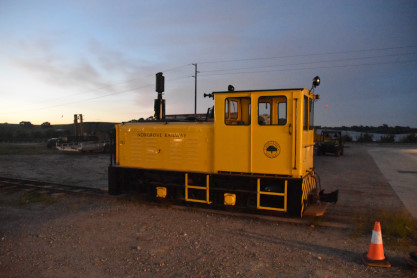
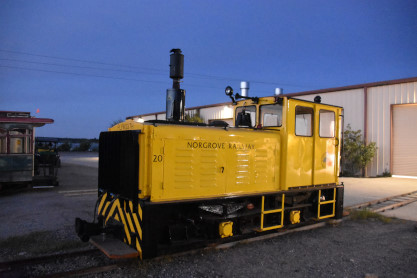
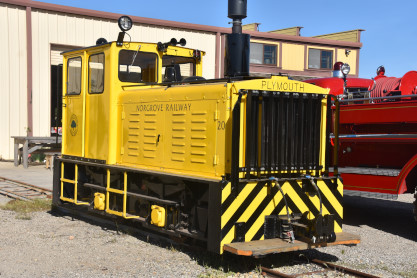
Norgrove Railway 12 ton switcher 20, nee Carpenter Steel Company 20, built by Plymouth in 1962. It was acquired from the Northern Queen Inn that was in Nevada City, California.
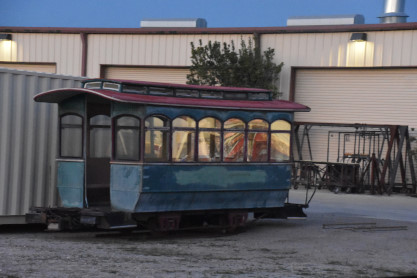
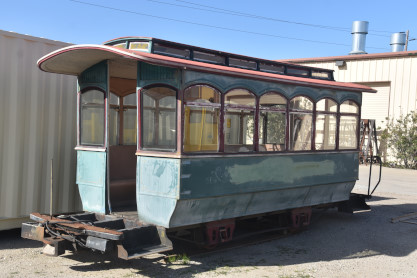
This 30 inch gauge coach was built by Disney in the 1970's for the "Fort Wilderness Railroad" at their campground in Florida. Norgrove Railway is restoring one of the Fort Wilderness locomotives for a client and the coach came with the engine.
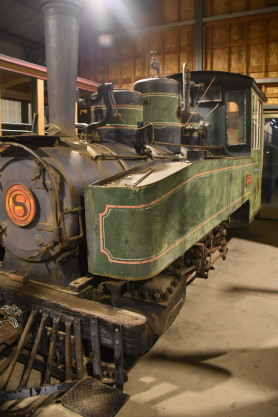
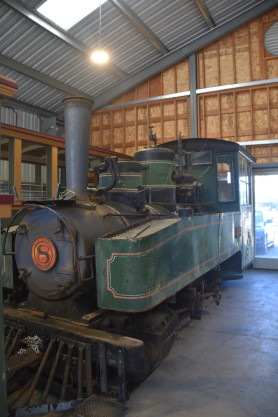
Norgrove Railway Imperial German Army 0-8-0T 8, ex. Peter Nott of Bitter Creek Western Railroad 2005, exx. High County Railroad Golden, Colorado 8 1976, exxx. Aspen Valley Railroad Longview, Texas 1 1972, exxxx. Sophia Colliery Hückelhoven, Germany 1 1919, nee Heeresfeldbahn 2308 built by Hartmann in 1918.
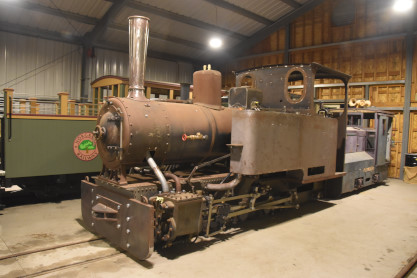
Deutsche Tiefbau GmbH 0-4-0T, built to 600 mm gauge, ex. purchased privately by Peter Nott, exx. Butte Valley Railway, exxx. Railroad Museum in Nevada City, exxxx, sold to Porphywerk Hans Vatter Dossenheim, Germany until 1974, nee Deutsche Tiefbau GmbH built by Orenstein and Koppel in 1938.
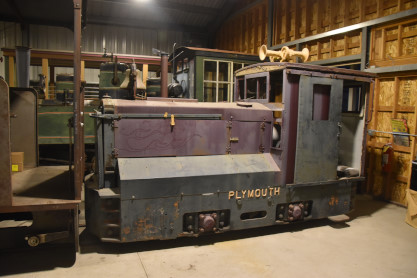
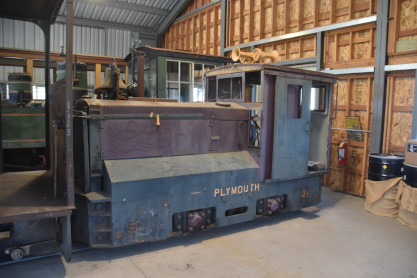
An 8 ton switcher built by Plymouth in the late 1920s which has a four-cylinder BUDA gas engine. It was acquired from Al Schurman in Ridgefield, Washington but its history is not known.
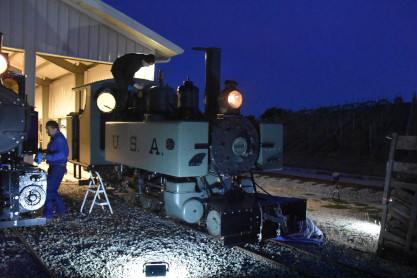
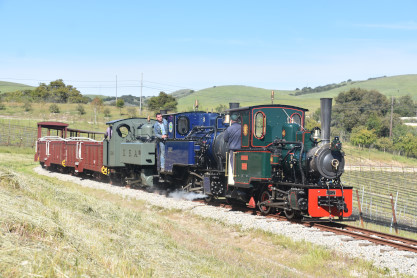
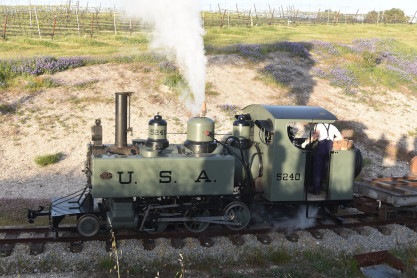
United States Army 2-6-2T 5240, a homebuilt engine using frames from a Davenport and modified as a 2-6-0 from stock gear, built by Davenport Locomotive Works in 1918. It was designed for World War I trench railways but remained stateside due to the Armistice. It was returned to Davenport some time after March 1921, having been at the Columbus, Ohio Engineer Depot then its running gear went to Byron Hiatt of Martensdale, Iowa and it was sold to George Long of Monroe, Washington in the 1980s then sold to Paul Schurman of Ridgefield, Washington before being fully restored in 2021 and operates on the Norgrove Gardens Railway as the only operational Davenport 2-6-2T. It is one of only three surviving examples of its type.
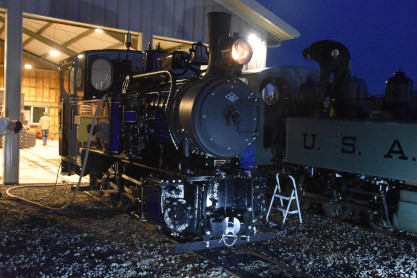
Norgrove Railway 0-4-0T 8 built by Orenstein & Koppel in 1938. It operated on the Butte Valley Railway in Dorris, California.
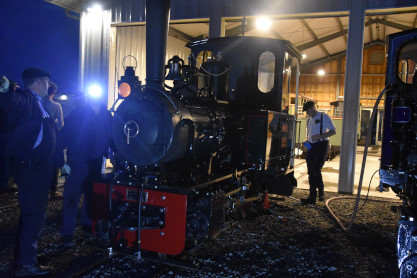
Norgrove Railway 0-4-0T T 6 "Buckeye", nee Lonely Mine (Gweru and District Light) 6 built by Orenstein & Koppel in 1934. Originally used for mining and forestry operations in Africa alongside its sister engine "Popeye", it operated as a children's ride and a tourist train in Zimbabwe before being purchased and fully restored by Peter Nott in California.
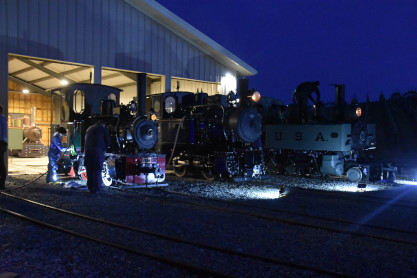
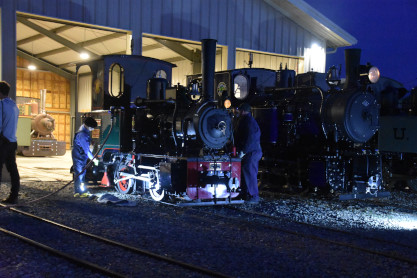
The trio of locomotives.
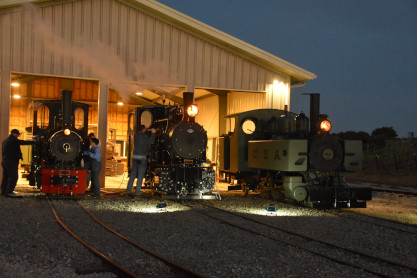
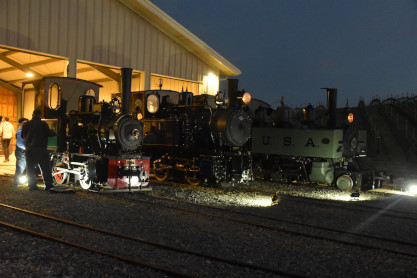
They were being polished and the area was a hive of activity at this very early hour. Note the use of the spotlights to aid in the work.
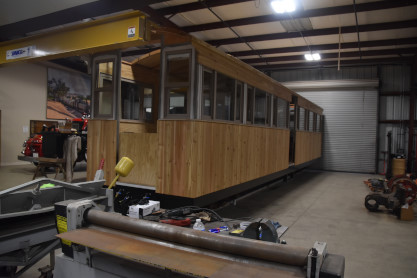
A future Norgrove Railway passenger car.
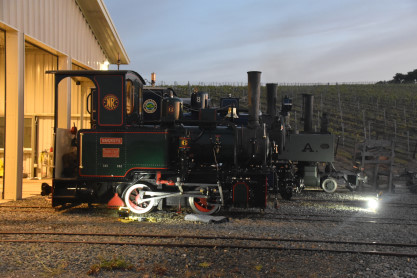
The locomotives from a different angle as the sun continued to rise.
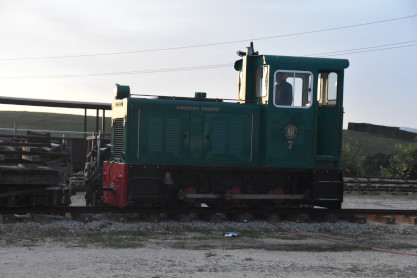
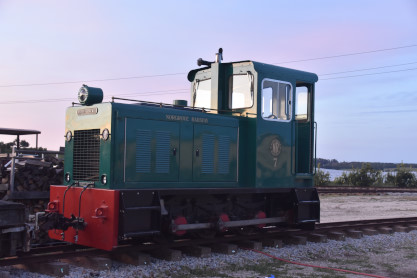
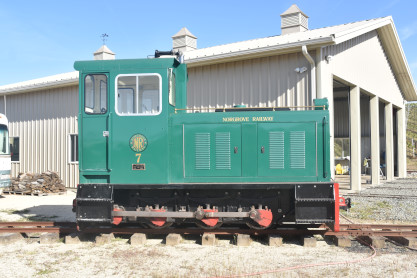
Norgrove Railway 12 ton switcher 7 built by Baguley Drewry in 1971 for the Sena Sugar estates in Mozambique. Peter Nott acquired much equipment from Sena Sugar in the early 2000s.
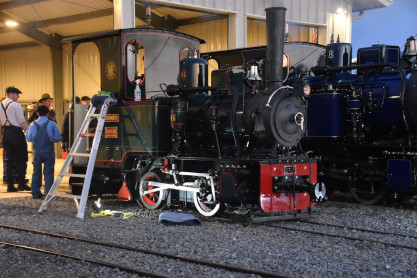
Norgrove Railway 6 "Buckeye" as it and No. 8 were being polished by the Welsh crew from the Festiniog Railway. It was evident that they took a lot of pride in their locomotives and it showed throughout the day.
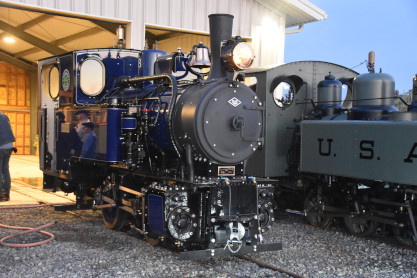
Norgrove Railway 8.
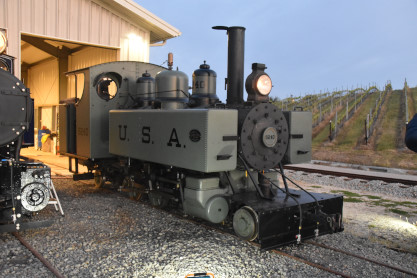
Norgrove Railway USA 5240.
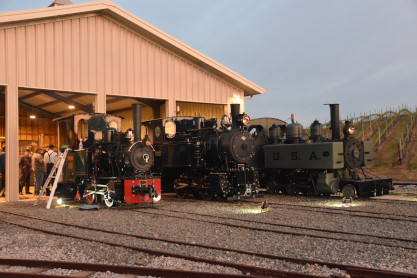
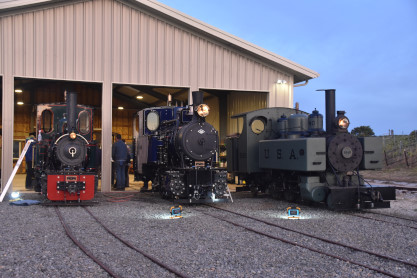
The trio of locomotives awaiting their assignments.
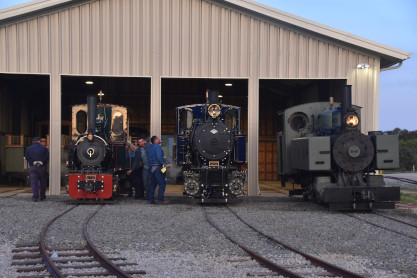
The crews made sure everything was absolutely ready.
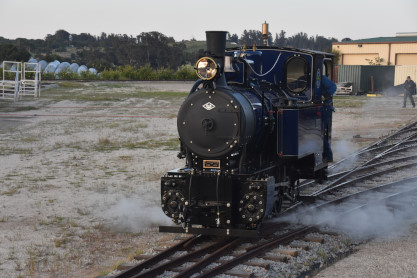
Norgrove Railway 8 led the way to the boarding area.
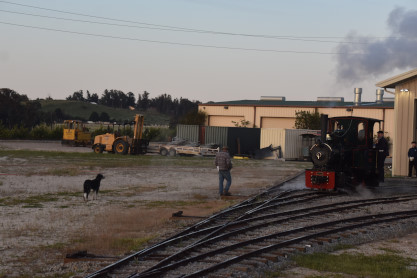
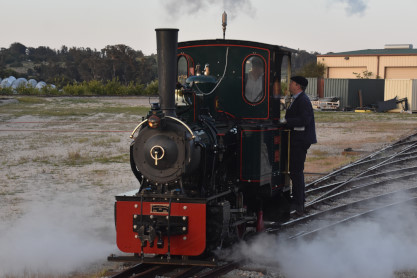
Norgrove Railway 6 "Buckeye" followed, after which everyone walked down to board the passenger train.
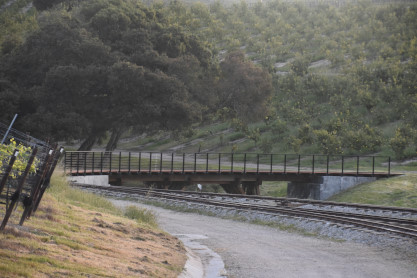
The Trestle Creek bridge.
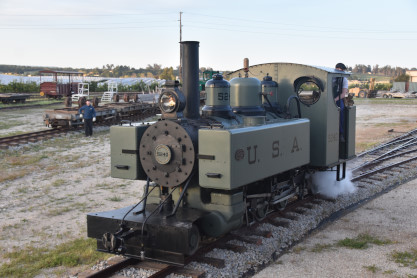
Norgrove Railway USA 5240 was on its way to couple to the freight train.
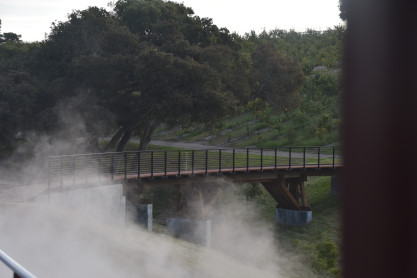
About to cross Trestle Creek.
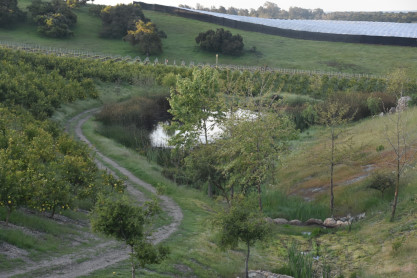
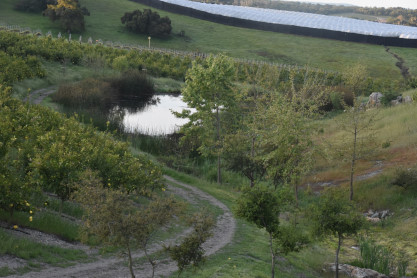
A small pond along Trestle Creek.
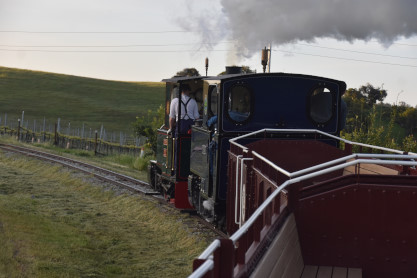
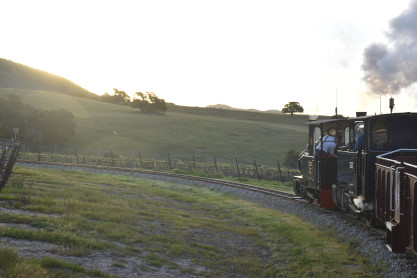
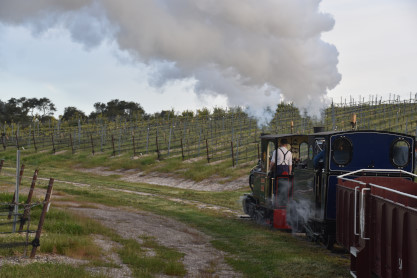
Climbing the grade to Garden Terrace
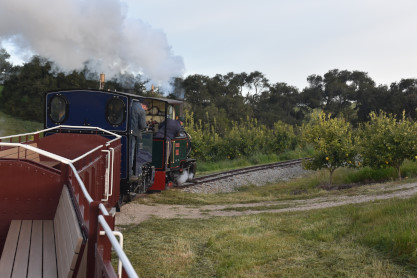
Curving up the grade.
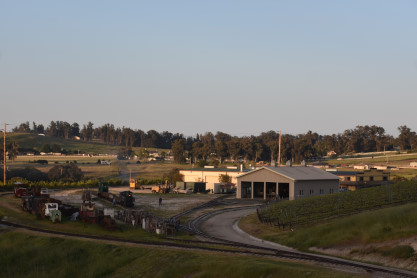
The view down to where we had just travelled.
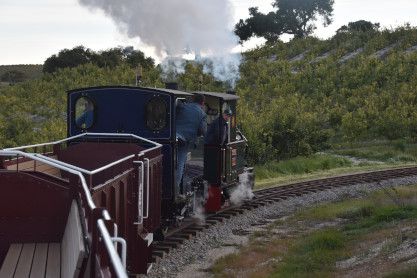
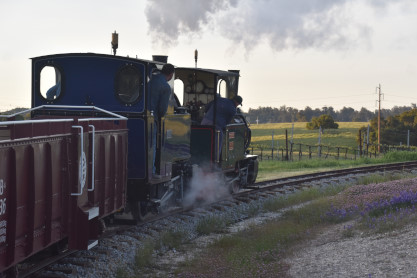
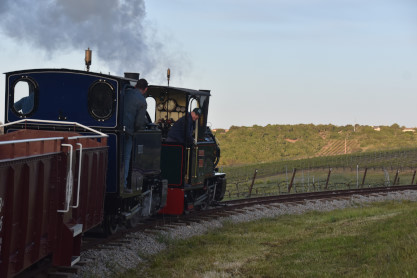
Ascending the grade.
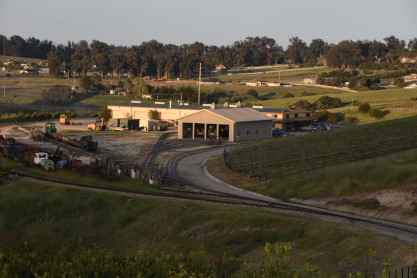
The view back to the shop area.
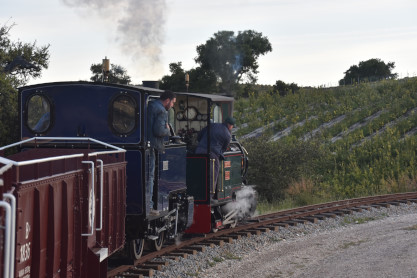
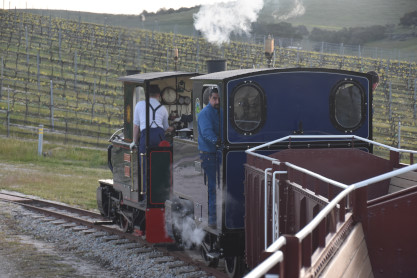
Climbing the grade to the Lone Tree Loop, where everyone detrained.
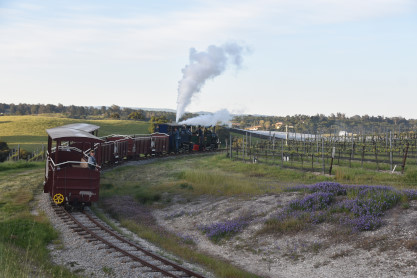
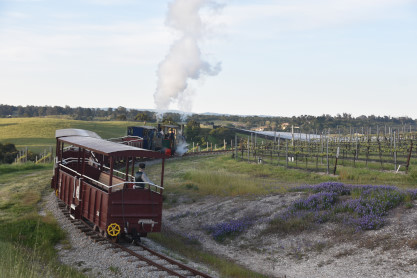
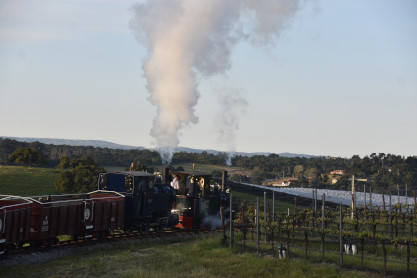
The passenger train reversed down the grade.
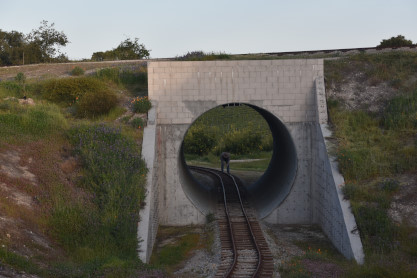
The scene before the runbys.
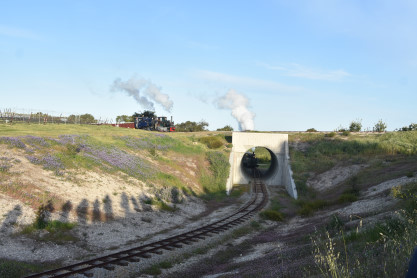
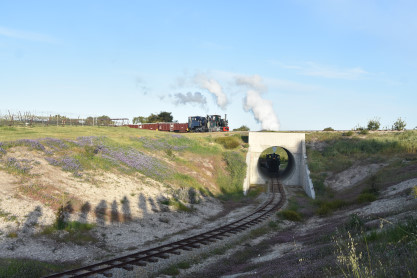
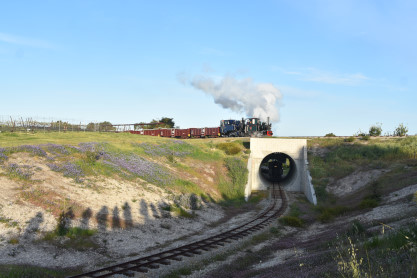
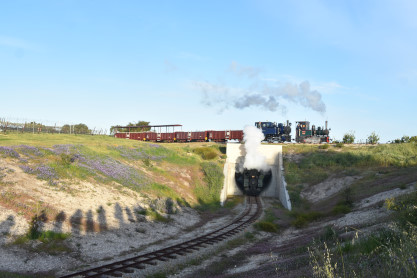
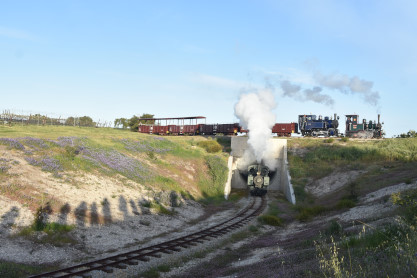
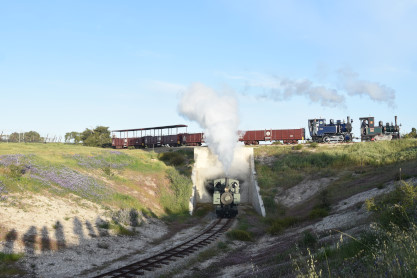
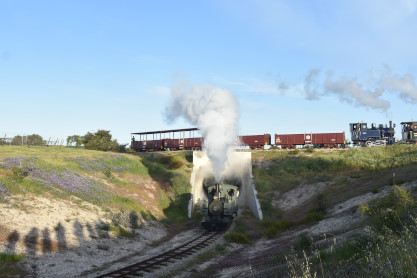
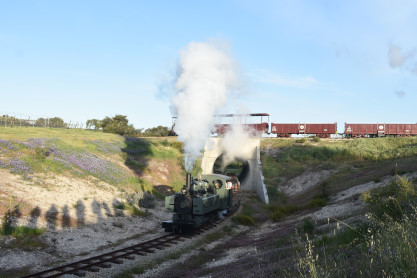
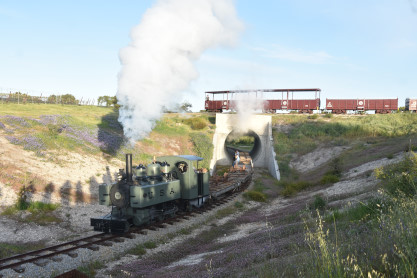
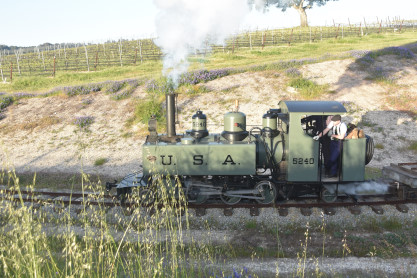
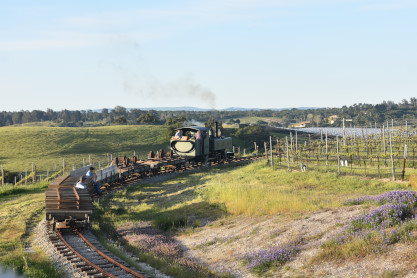
Photo runby one at the tunnel at Lone Tree Loop.
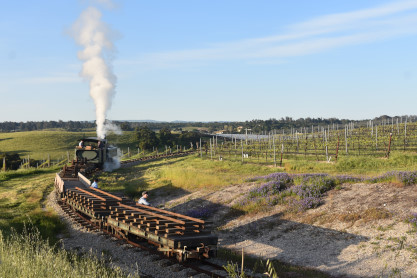
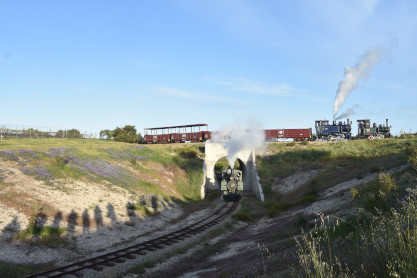
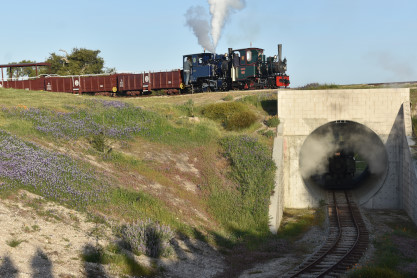
The reverse move.
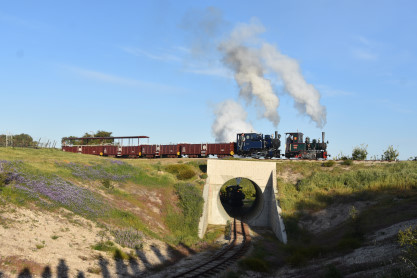
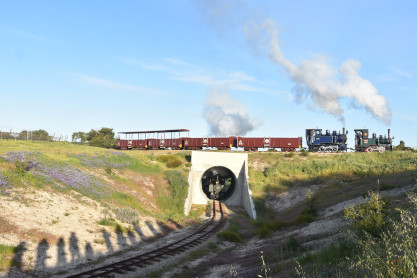
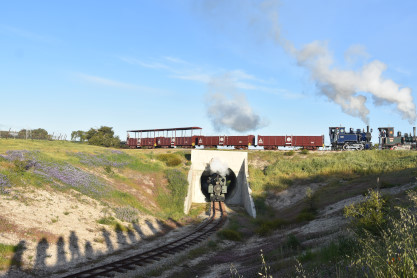
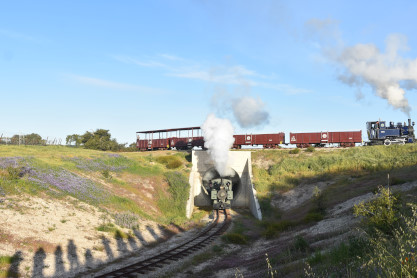
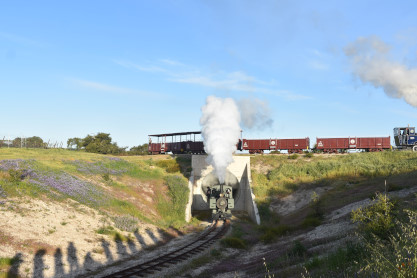
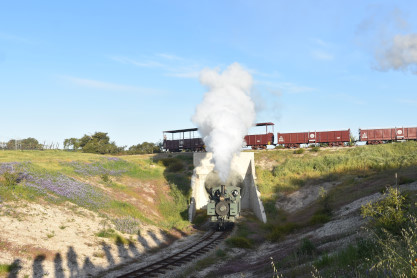
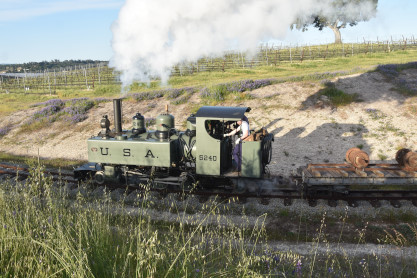
Photo runby two.
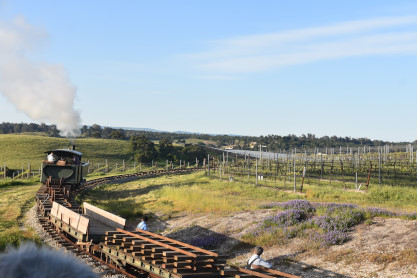
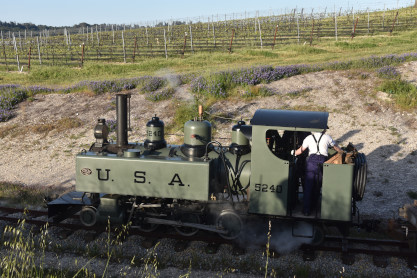
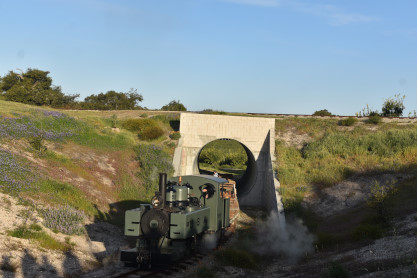
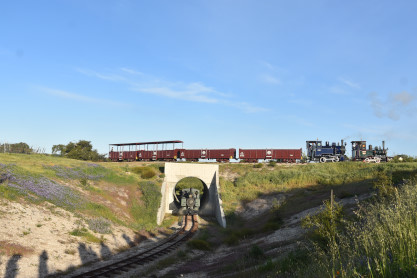
Reverse move.
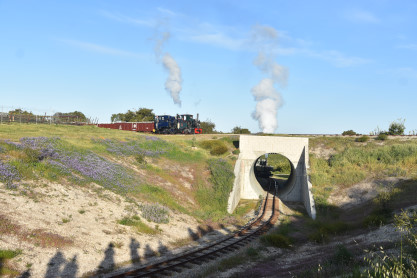
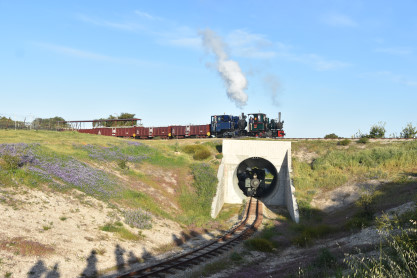
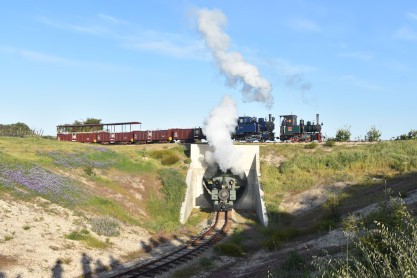
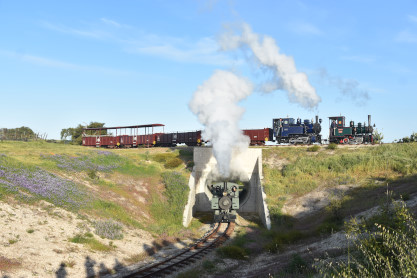
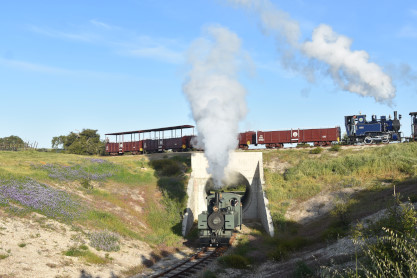
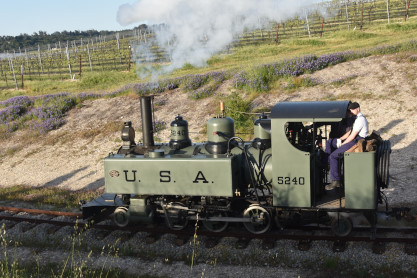
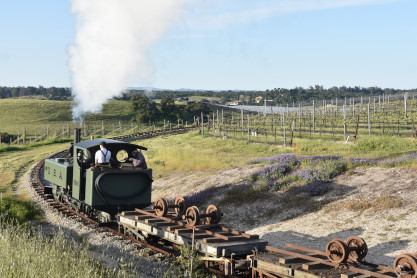
Photo runby three.
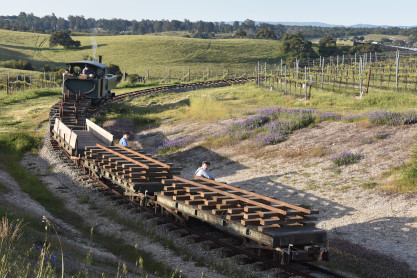
Reverse move at the loop.
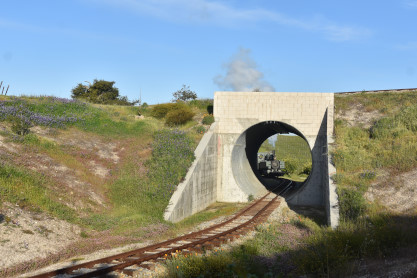
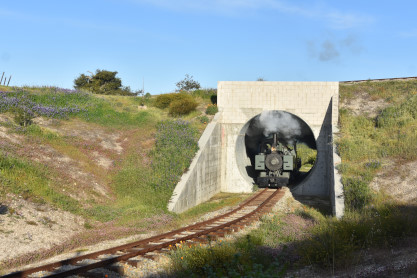
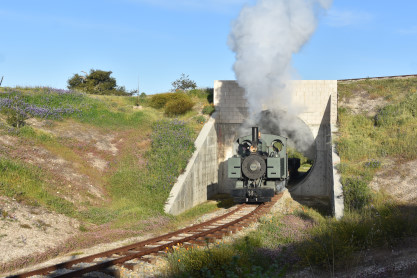
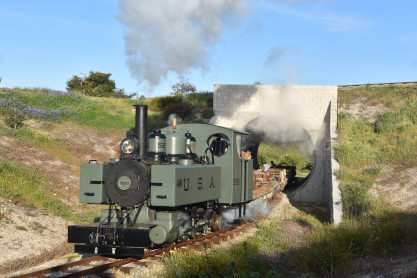
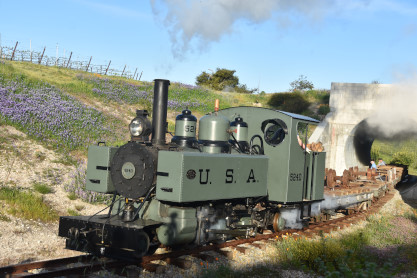
Photo runby four with the freight train only. We reboarded our passenger train then rode for a short way to the next location.
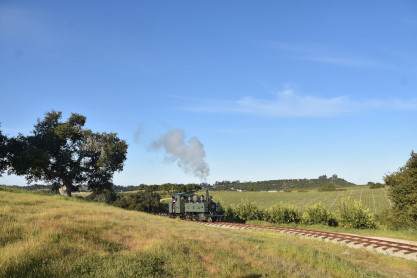
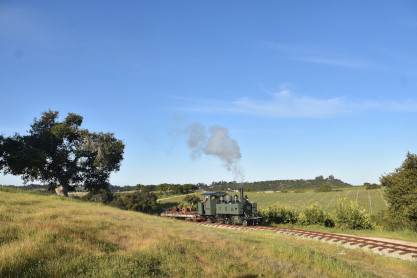
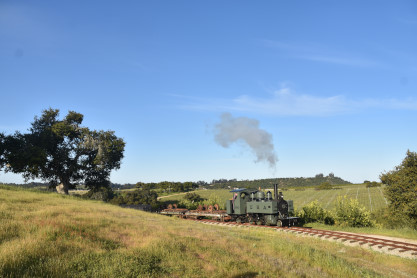
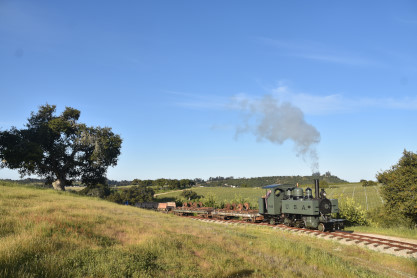
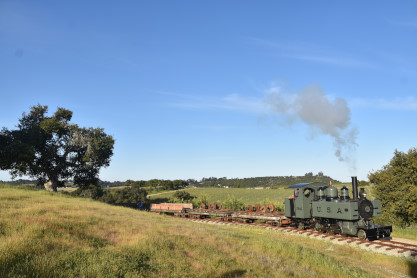
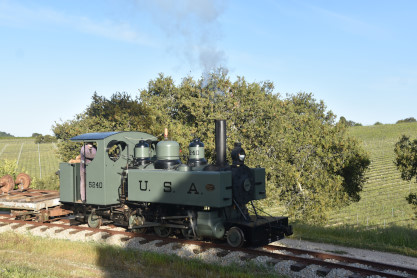
Photo runby five above the loop.
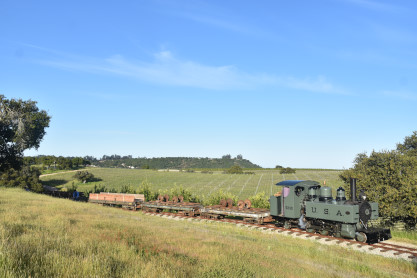
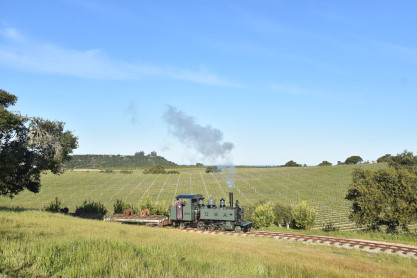
The reverse move.
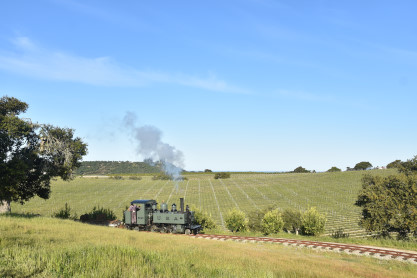
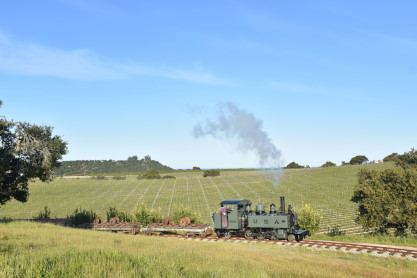
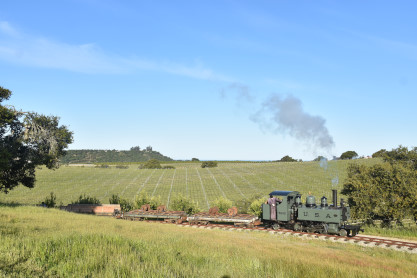
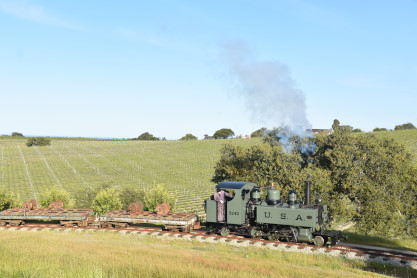
Photo runby six. We reboarded and continued on this new mileage.

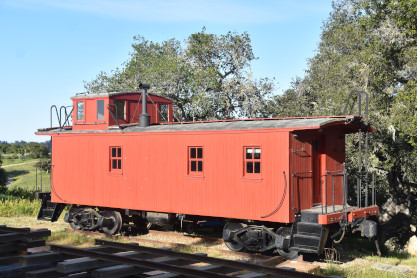
Colorado and Southern caboose, number and builder unknown. It was here that passengers were unexpectedly served breakfast by the private caterer brought on by Peter to keep us and his staff fed for the day.
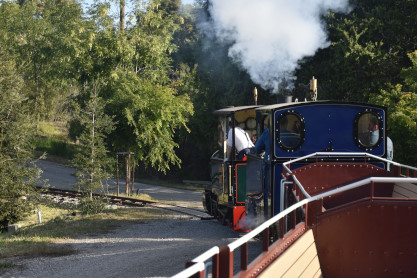
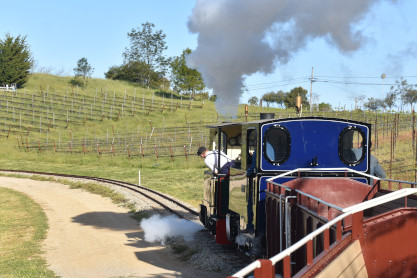
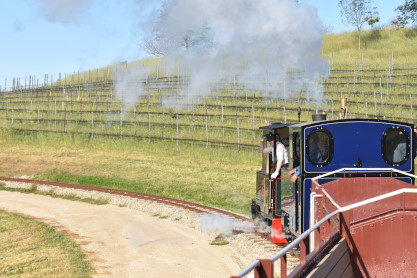
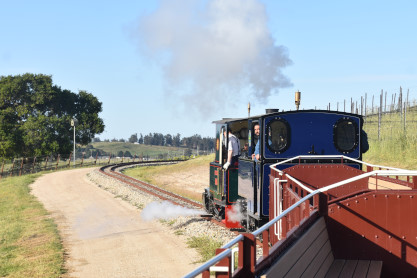
Rounding the curves above the caboose, after which we detrained again.
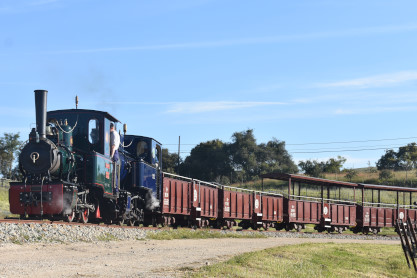
Reverse move.
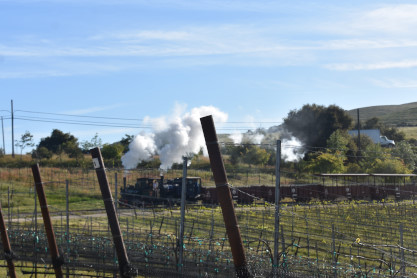
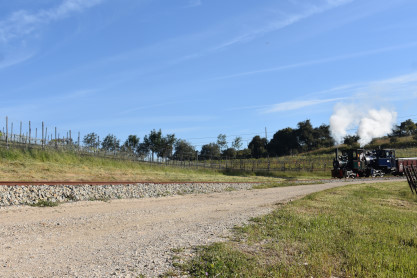
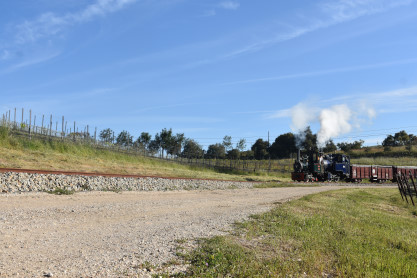
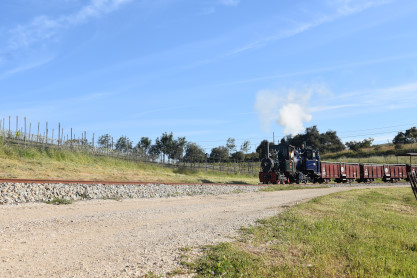
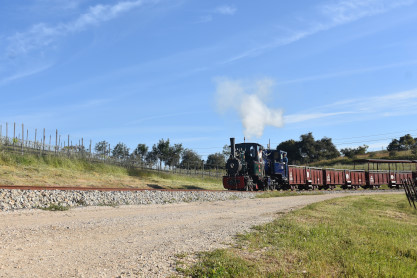
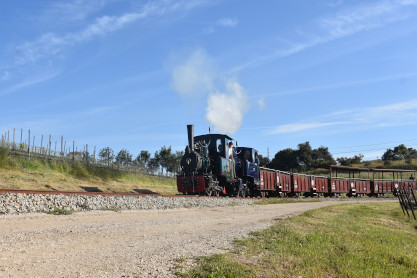
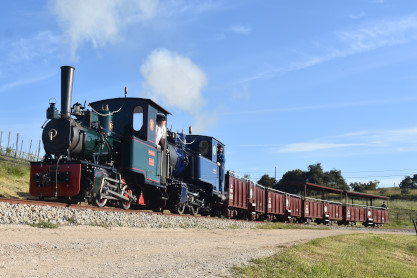
Passenger train photo runby seven.
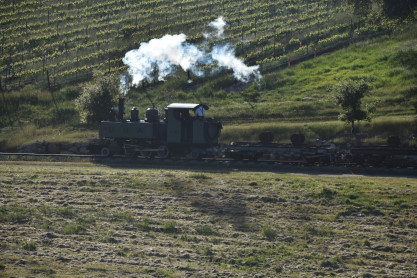
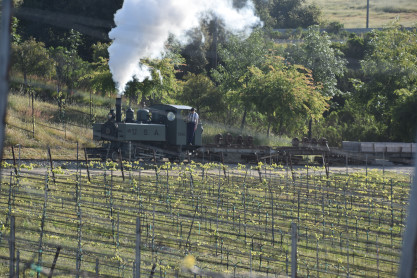
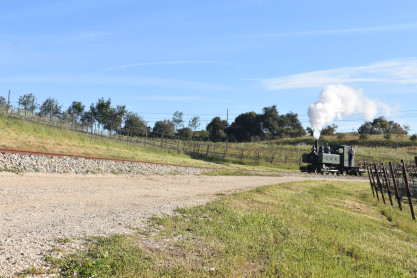
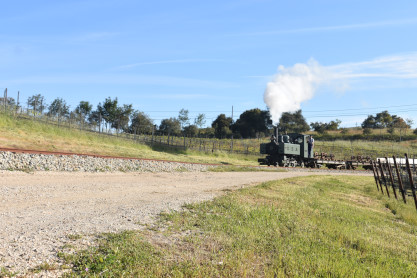
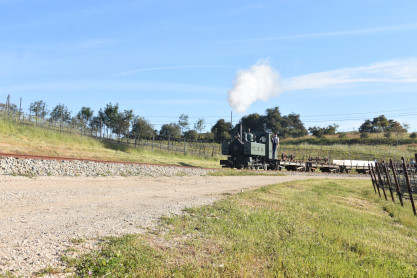
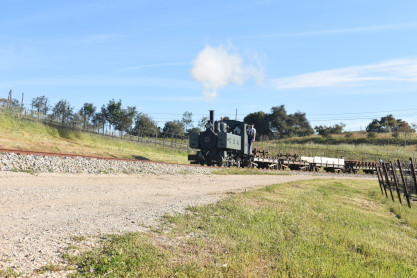
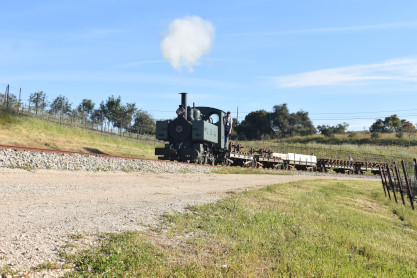
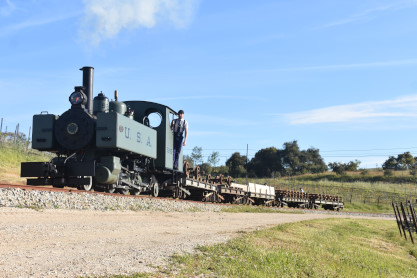
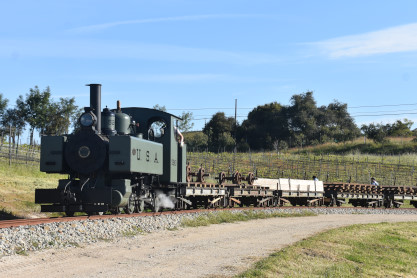
Freight train photo runby eight.
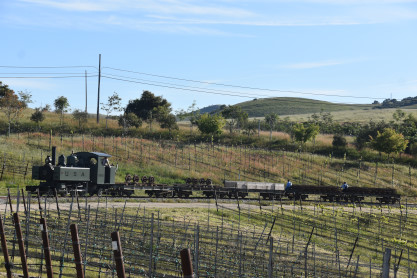
The reverse move.
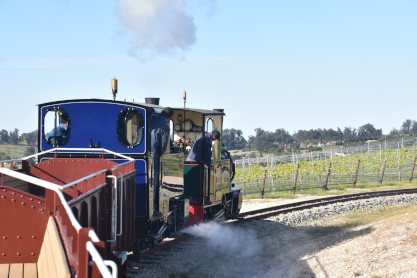
Nearing Tunnel 1.
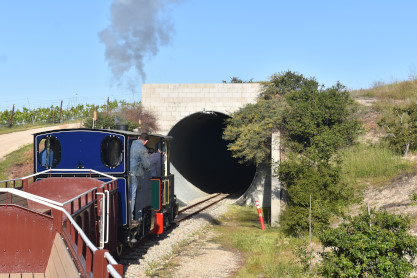
About to enter tunnel 1.
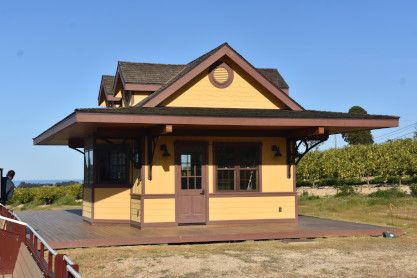
Oceanview station, which is really an electrical substation.
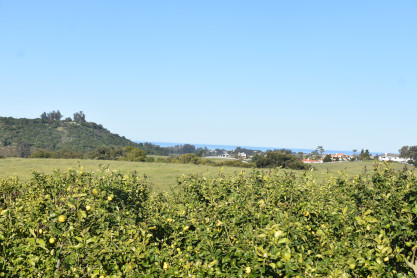
The ocean was visible as we descended. Now the journey back to the boarding area.
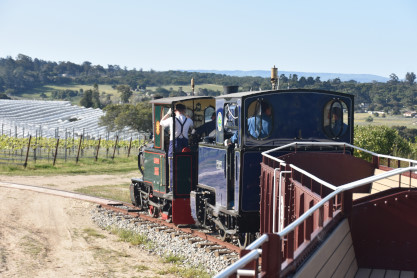
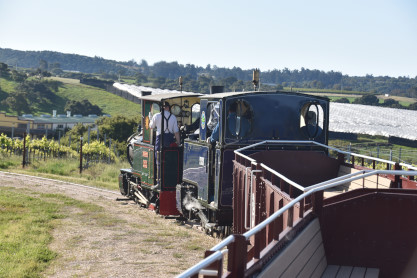
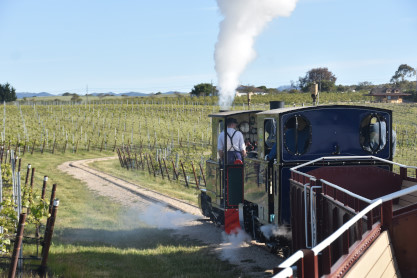
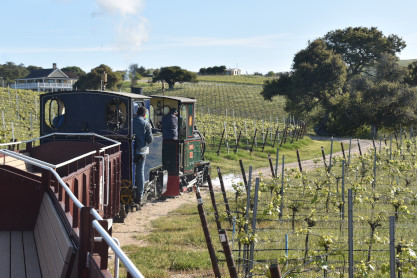
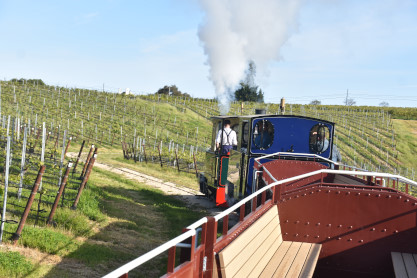
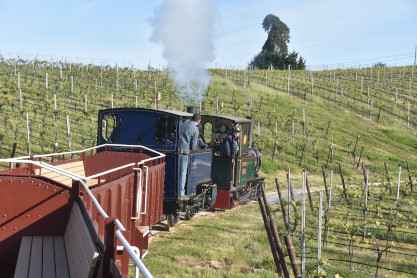
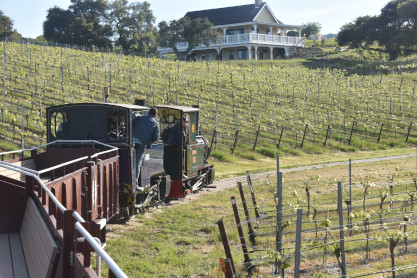
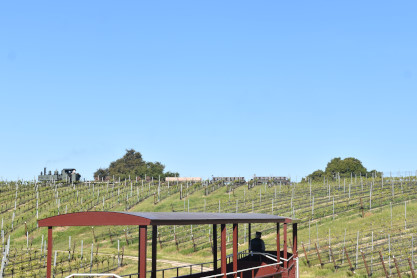
We stopped for another runby.
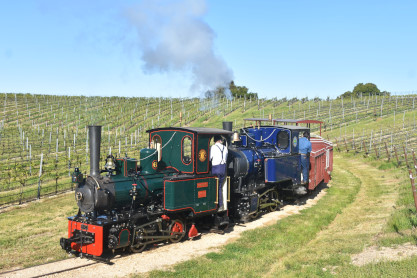
The reverse move.
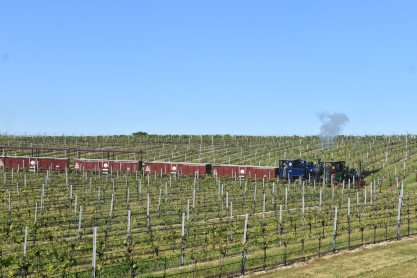
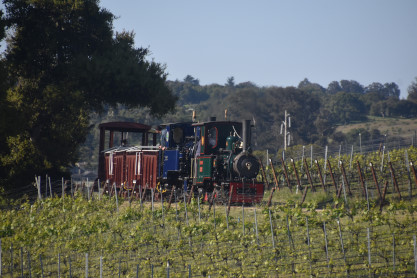
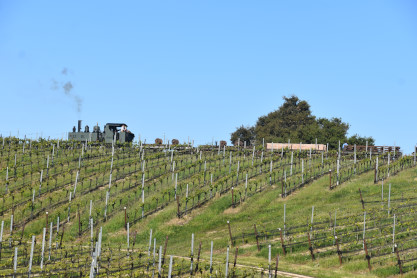
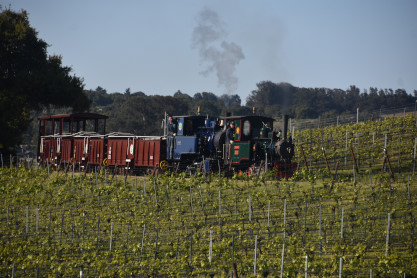
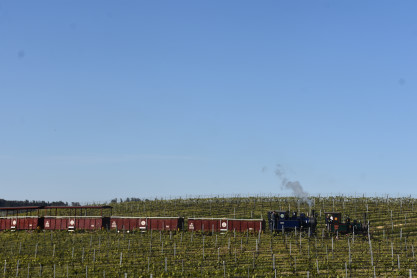
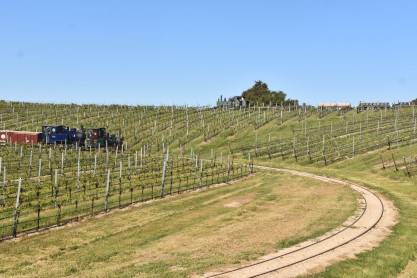
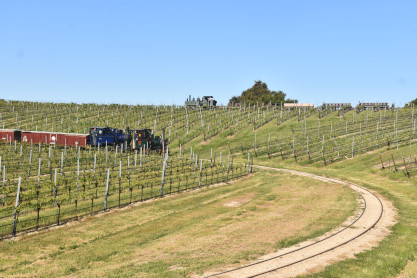
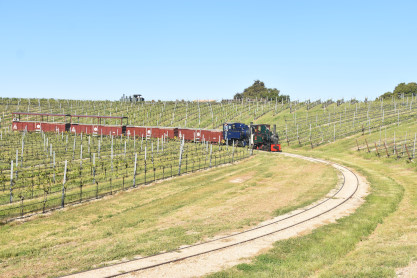
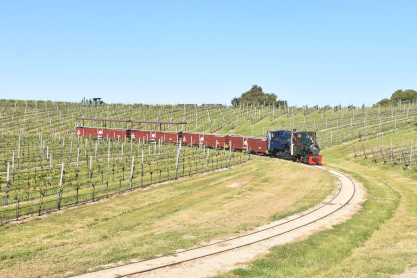
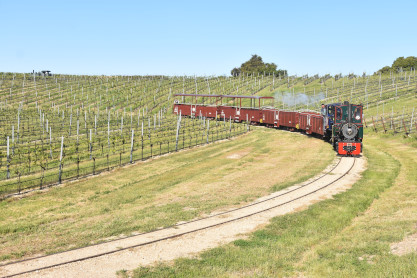
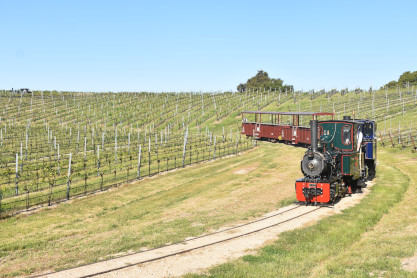
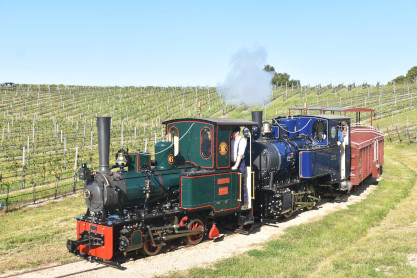
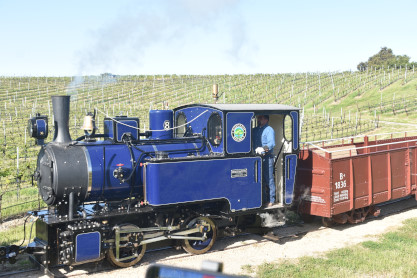
Photo runby nine.
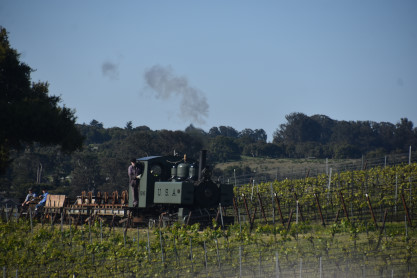
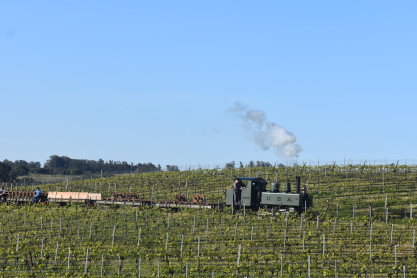
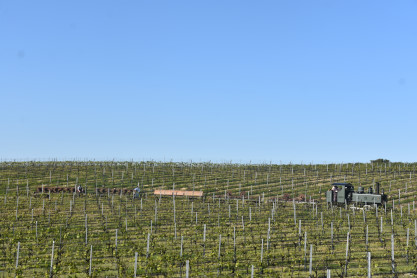
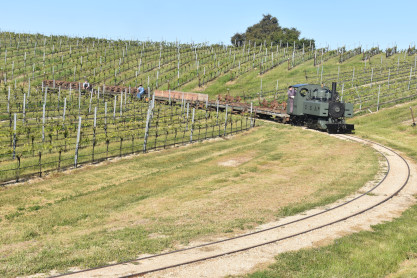
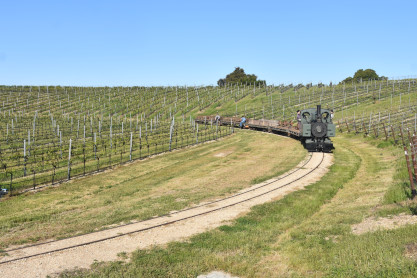
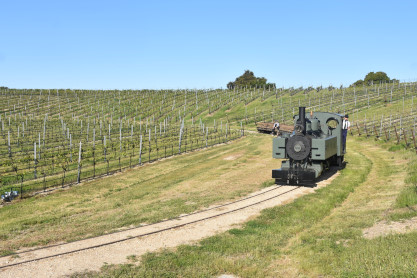
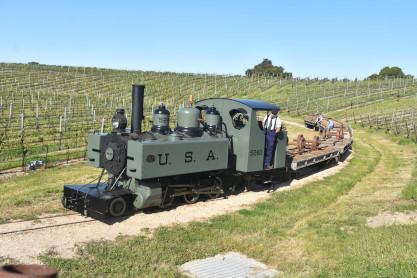
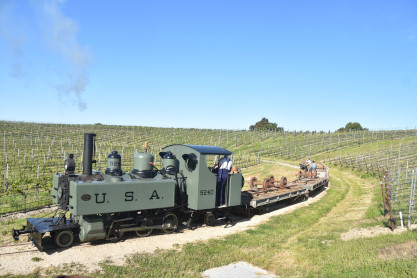
Freight train photo runby ten.
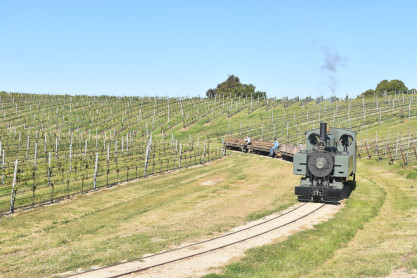
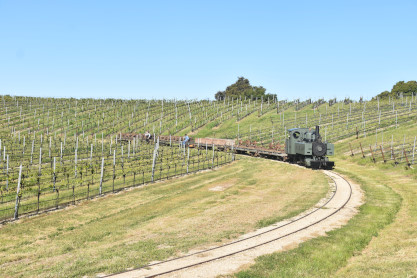
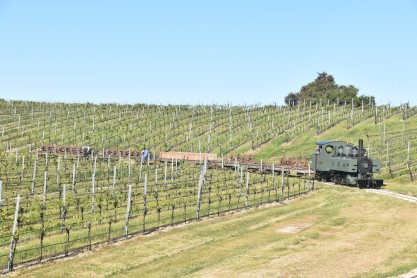
The freight train reversed to allow the passenger train to reboard.
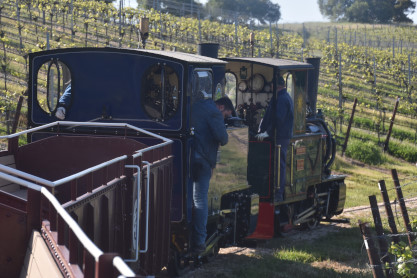
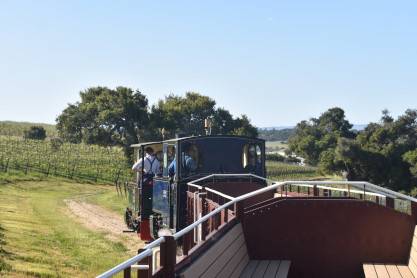
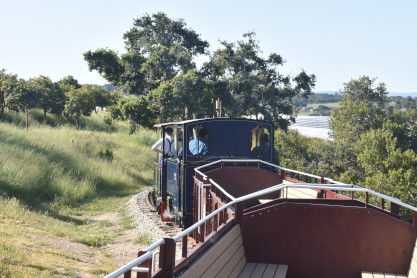
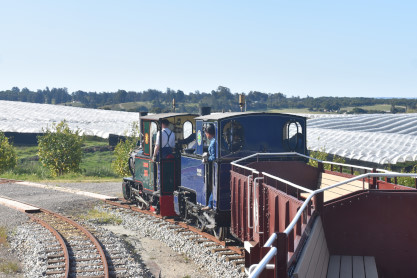
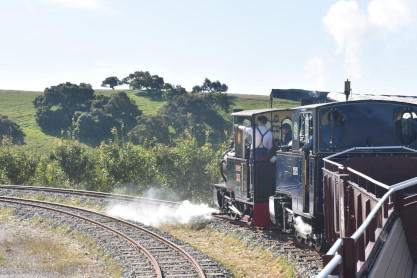
We returned us to the boarding area.
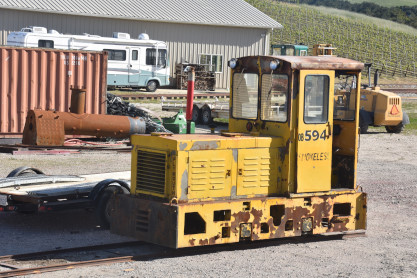
Privately-owned 5 ton switcher 594 "Smokeless" a three foot gauge engine. It was brought to Norgrove to rebuild the hydraulic pumps/motors and worked at the Badger Ammunition Plant in Wisconsin.
Information on this and several of the locomotives below courtesy Hayden Seybold of Norgrove Railway.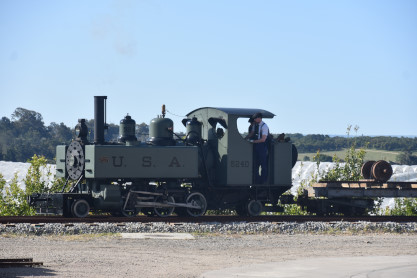
United States Army 5240.
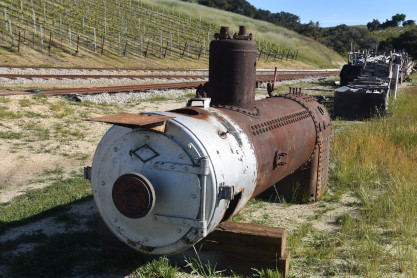
Rhodesia Native Timber 0-4-0T 5, built by Orenstein and Koppel in 1936. It was acquired by Frank Bayliss in 1968 for his Alton & Pacific Railroad in Eureka, California and operated there until 1989. In 2007, Peter Nott acquired it for the Bitter Creek and Western before it was moved to Norgrove Railway.
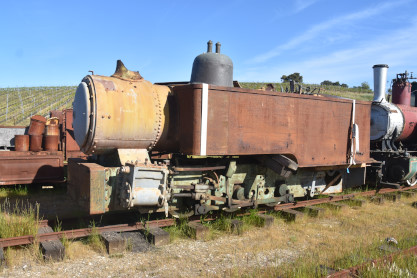
Henschel 0-4-0T 9 built by Henschel in 1939. It was originally delivered to the Berlin Street Tramway before going to Hans Vatter Construction in Mannheim, where it was retired by 1966 then imported to the United States shortly after by Elliot Donnelly and sold to the group that operated the "High Country Railroad" in Golden, Colorado. It ran there until 1990 and was sold to the Northern Queen Inn in Nevada City. It ran one time, broke a few staybolts and never ran again. In 2017, Peter Nott bought all their two-foot gauge equipment.
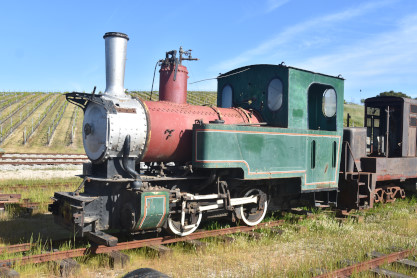
0-6-0T 1 built by Fowler in 1901 for the colonial sugar refinery in Fiji. It was re-boilered in the 1920's and imported to the United States in the 1960's by Frank Bayliss, who had the Alton & Pacific railroad in Alton, Humboldt County, California. It was his home-built two-foot gauge railroad along the Northwestern Pacific where he operated a 1935 Orenstein and Koppel 0-4-0 5. For whatever reason Frank never finished working on the Fowler and he closed his operation in 1991. In 2007, Peter Nott acquired both engines.
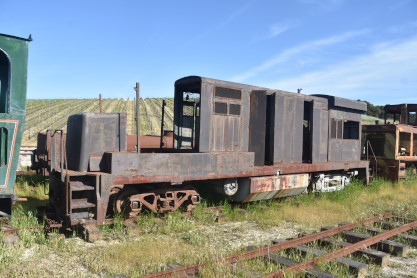
A home-built U25B. A man in Rome, New York built his own 18" gauge railroad with a 2-6-2 and some other equipment. Apparently he had this diesel almost all finished but the owners of Erie Canal Village paid him $150,000 to re-gauge the 2-6-2 and the U25B to 24" gauge to run on their railroad. This was done but for whatever reason the U25B never ran there. It seems that they never finished powering it because it has a straight 6 Chevy engine with a manual transmission and welding generator set up. Peter bought it from Ron Trottier in 2017.
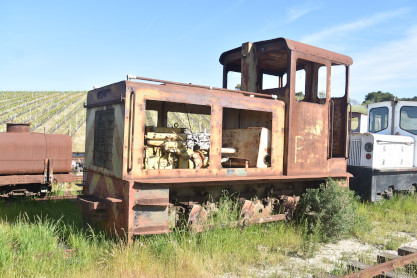
A sister to Norgrove Railway 7 built by Baguley Drewery for the Sena Sugar Estates but this is chain-driven, whereas 7 has a jack shaft.
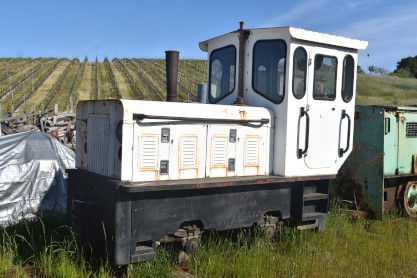
A small diesel switcher reportedly built by Funkey, a South African diesel locomotive manufacturer, acquired from South Africa. Its history is unknown but has an English-built engine. It is hoped to have it fixed and running in the near future.
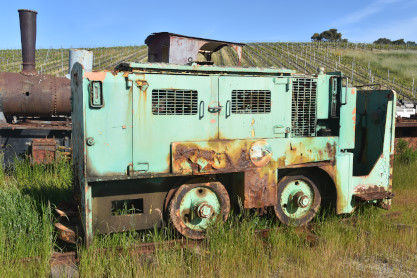
A salt mine diesel switcher built by Clayton in England which worked at the Cargill Salt Mine in Northern California. It has horrendous salt damage and likely will not be restored here.
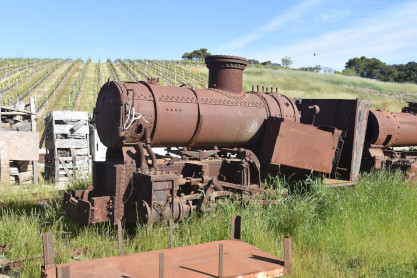
F. Harriefeld AG 0-4-0T, ex. High Country Railroad 1969, exx. Joe Pettingill 1967, exxx. Arthur Seifert 1965, built by Hanomag (Hannover-Linden) in 1923.
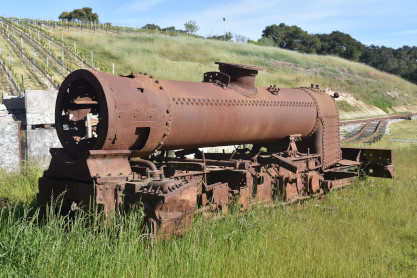
A steam engine of unknown lineage.
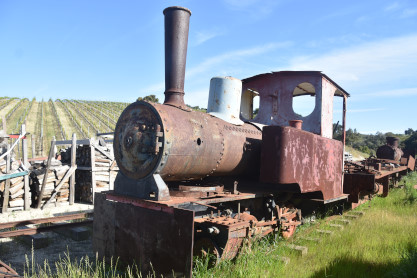
G.M. Estates Company 0-4-0T "Margaret", built by Orenstein & Koppel in 1910. At some point, it went to the Gweru District Light Railway in Zimbabwe then was purchased by Peter Nott of the Bitter Creek Western Railroad, also in Arroyo Grande.
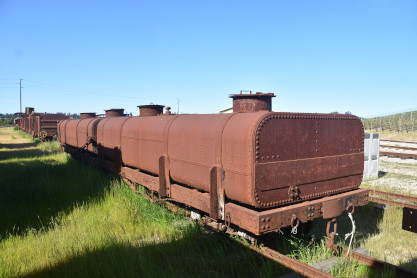
A steam water tender.
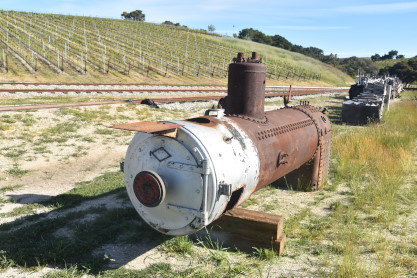
A steam boiler.
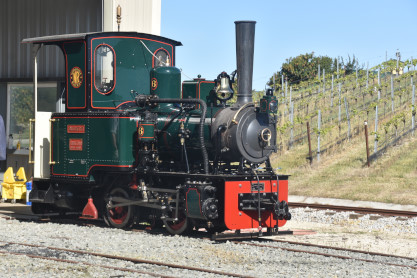
Norgrove Railway 6 "Buckeye".
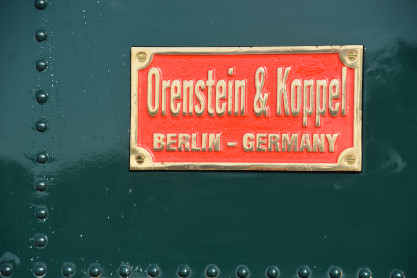
The builder's plate.
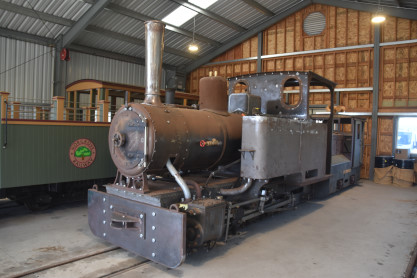
A steam engine of unknown lineage.
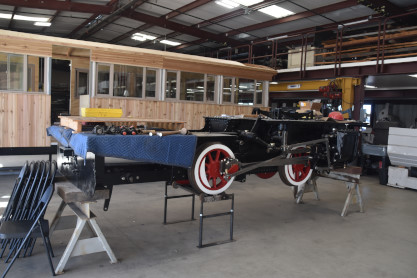
A locomotive on a stand. Lunch had been prepared while we were out on the grounds and everyone enjoyed lunch of tri-tip sandwiches and a selection of salads plus baked beans.
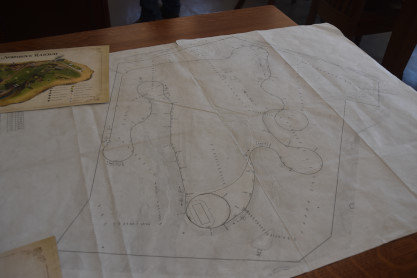
We were able to wander around and went into the office area, where the engineering drawings of the Norgrove Railway were displayed.
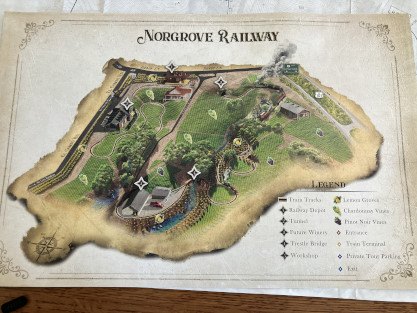
An overview map of the Norgrove Railway.
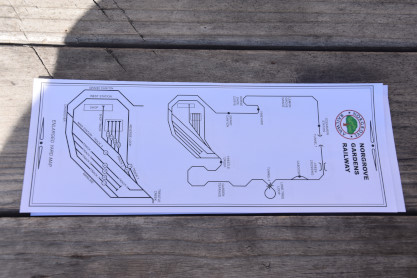
Peter had made these yard maps for all.