




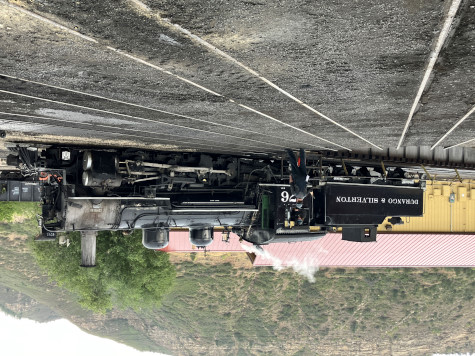
Once the delegates had detrained from the Cascade Canyon Express, they were split into groups and several employees were waiting to escort their groups around the roundhouse and shops.
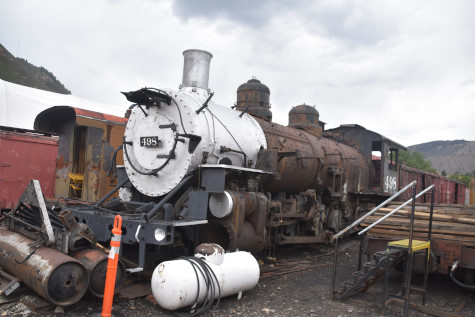
Durango and Silverton K37 2-8-2 498, built by Baldwin in 1930. The tender is being used behind D&RGW 2-8-2 499 at the Royal Gorge Bridge & Park in Canon City, Colorado.
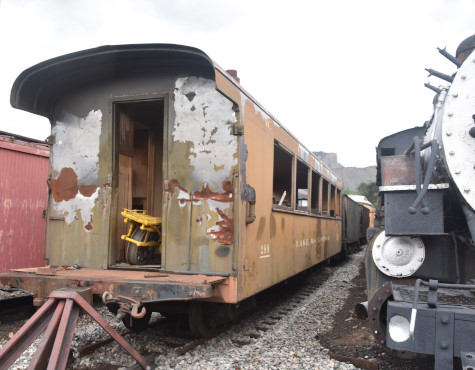
White Pass and Yukon coach 288 "Lake McClintock", built by the railway and Coast Steel Fabricators in 1976. It is named for Admiral Sir Francis Leopold McClintock (1819-1907), an Arctic explorer. The car had been damaged in 2004, was sold in 2005 and re-sold in 2007.
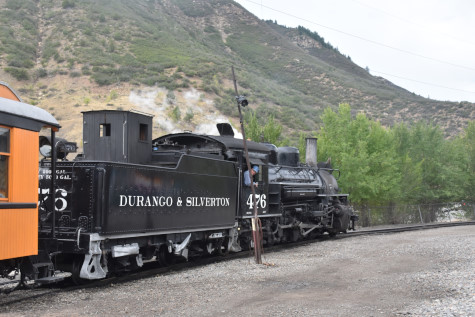
Durango and Silverton 2-8-2 476 being readied to uncouple and proceed to the turntable.
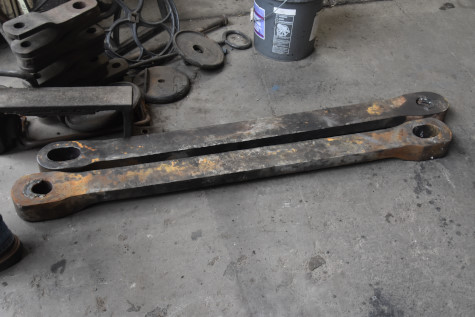
On the floor of the wood shop were two rods from one of the steam engines.
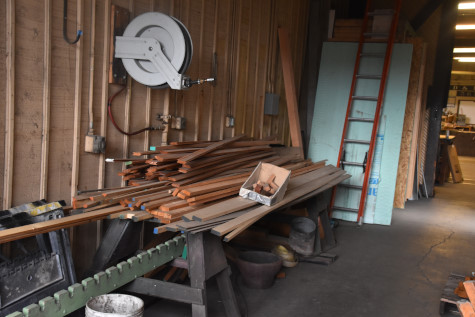
We were now in the wood shop.
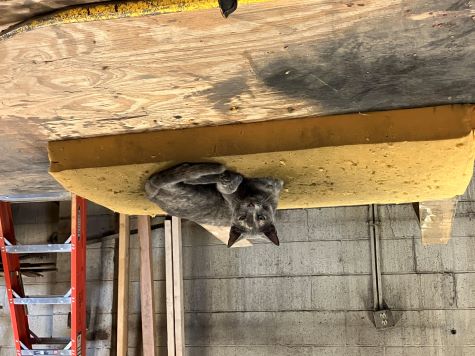
The shop cat, name unknown.
 >
>
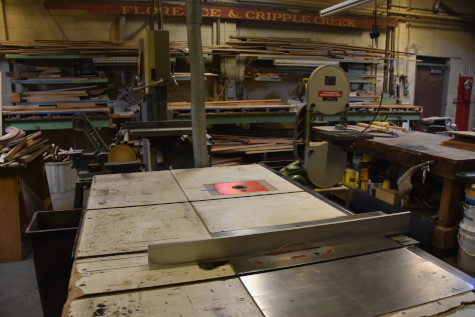
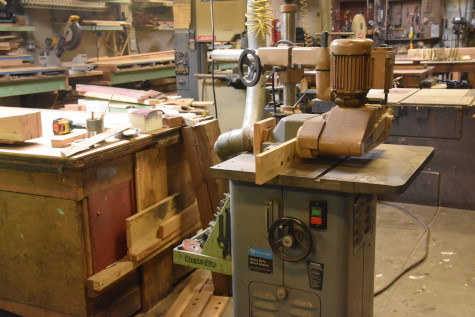
The tools of skilled craftsmen.
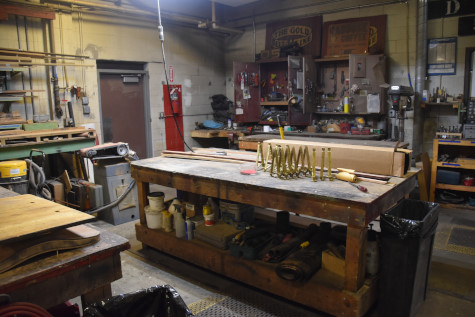
Newly-furnished brackets.
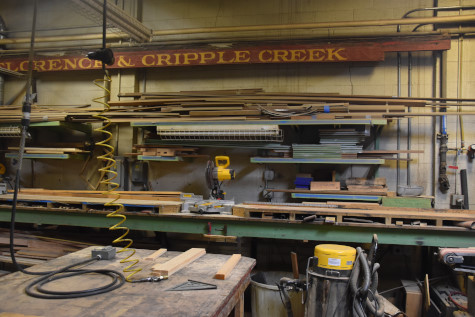
To the layman, this may not look much, but the wood shop forces can turn these pieces of wood into works of art.
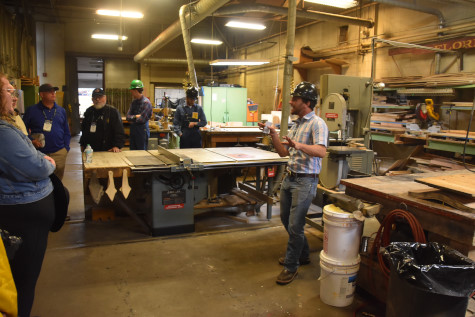
Our guide explaining the work that occurs here.
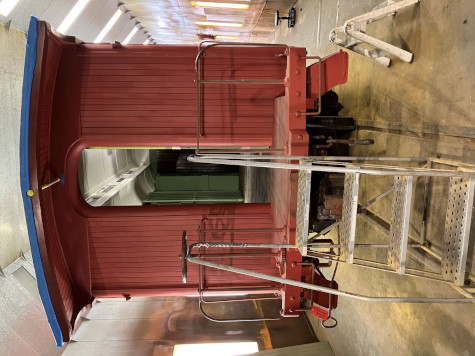
Being restored was Denver and Rio Grande Western combine 211, nee Denver and Rio Grande coach 298, built by Billmeyer and Small in 1881. It had been rescued from the Hinsdale County Museum in Lake City, Colorado.
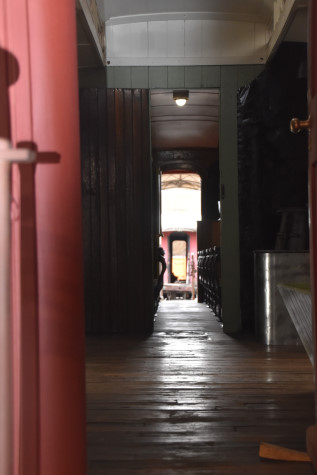
We were able to walk through this car; looking through the doorway.
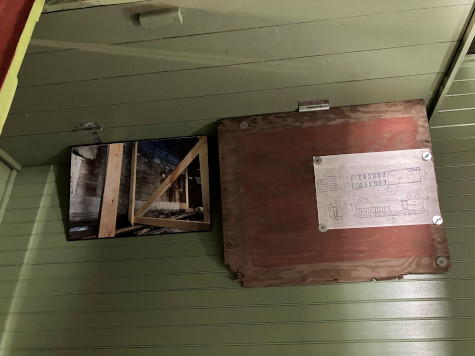
Folio plan and an interior photograph.
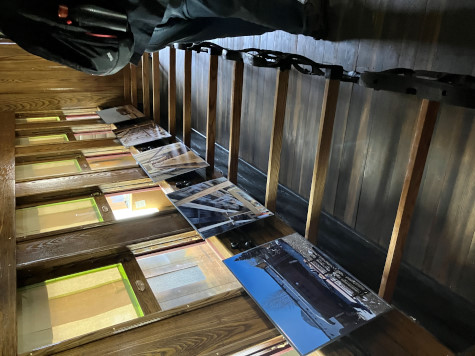
The seating area with the new frames for the seats. The photographs aid the restorers.
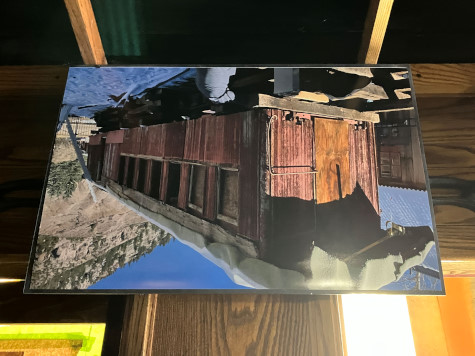
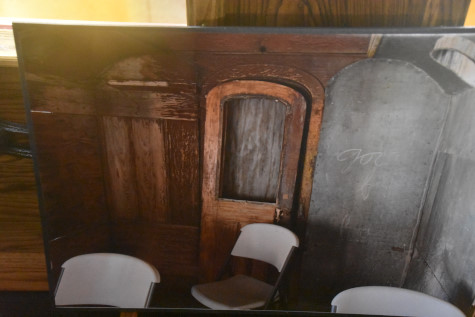
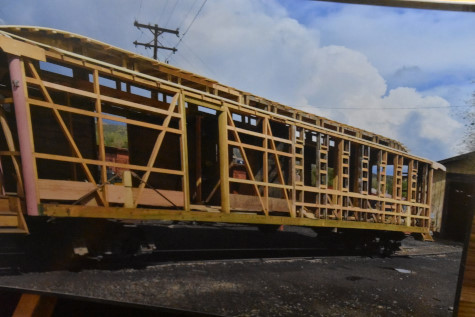
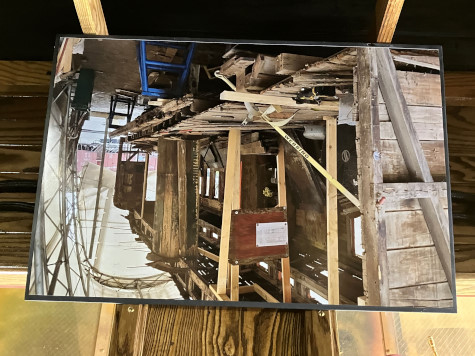
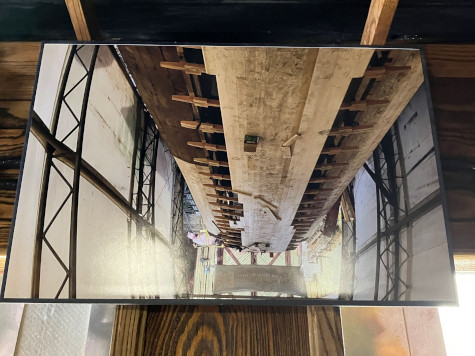
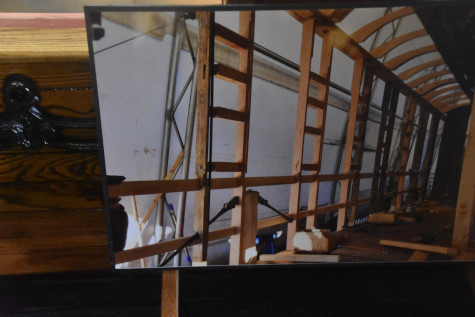
The condition of this combine upon acquisition.
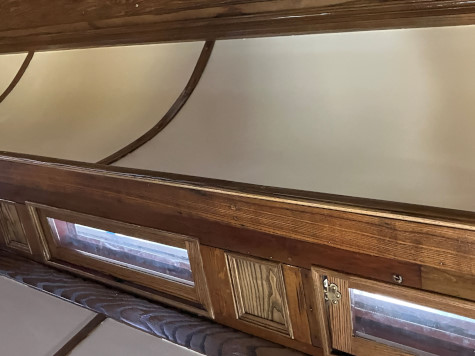
An example of the incredible woodworking restoration that the employees have accomplished.
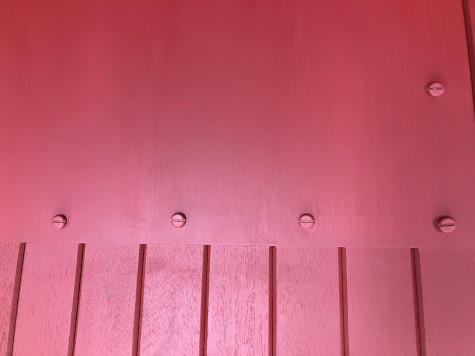
The pride in the work is evident, down to all screws being aligned horizontally.
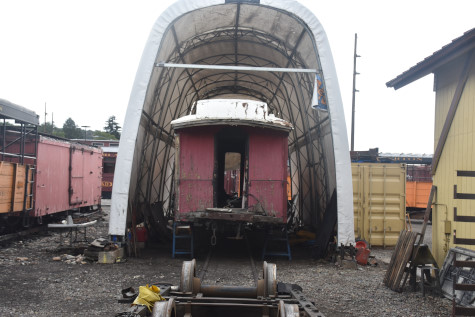
Passing a wooden coach under cover awaiting restoration as our group moved from the wood shop to the 45-by-100-foot shop adjacent to the roundhouse, built in 2020, to maintain the diesel and maintenance equipment.
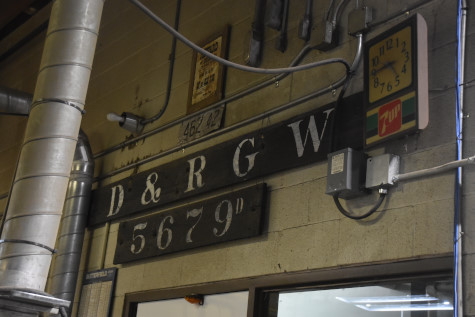
A nod to the Durango and Silverton's heritage.
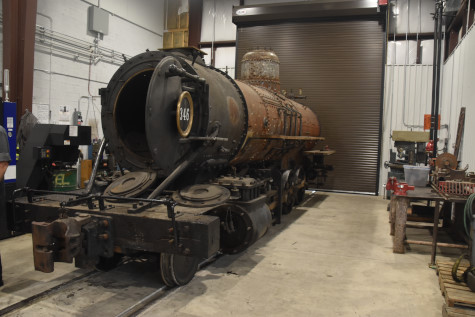
Undergoing its 1,472 day inspection was Colorado Railroad Museum 2-8-0 346 1958, ex. Robert Richardson 346 1958, exx. Narrow Gauge Motel 346 1950, exxx. Dolores, Colorado 1948, exxxx. Booker Junkyard in Durango 346 1948, exxxxx. Montezuma Lumber Company 346 1947, exxxxxx. Denver and Rio Grande Western 346 1924, exxxxxxx. Denver and Rio Grande Western 406 1921, exxxxxxxx. Denver and Rio Grande Railroad 406 1886, nee Denver and Rio Grande Railway 406 "Cumbres" built by Baldwin in 1881.
Early in 1936, it was transported by standard gauge flat car to the Colorado & Southern Railway in Denver and started work between Denver and Leadville. On 25th July that year, 346 was working as a helper out of Como on an eastbound freight and, after cutting off at the top of Kenosha Pass, it headed east running light towards Denver. However, the engineer lost control of the locomotive, which overturned on a curve just below the summit.
In the Kenosha derailment, the engine suffered significant cosmetic damage, although the engineer was killed. After repairs in the Burlington/Colorado and Southern Denver shops, 346 returned to service with a new steel cab, new steam dome cover and sand dome, and various other replacement parts. It worked on the Colorado and Southern until April 1937, when it was shipped back to the Denver and Rio Grande Western. In 1947, the locomotive was sold to the Montezuma Lumber Company to haul lumber on a five-mile line between McPhee and Dolores. The following year, a fire destroyed the McPhee sawmill and ended 346's operational service life. Following the sawmill fire, the engine was stored on a spur track in Dolores for nearly two years and was sold to Booker Junkyard in March 1948 and then to the Narrow Gauge Motel in Alamosa. In 1958, 346 was sold to Robert Richardson of Alamosa, who then sold it to the museum. After extensive work the locomotive returned to steam in 2007.
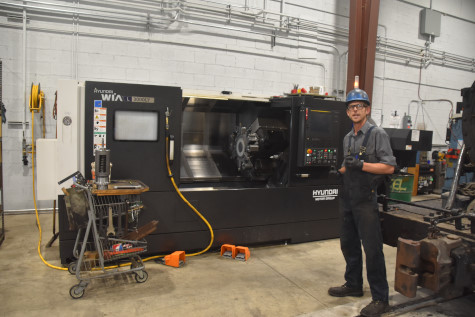
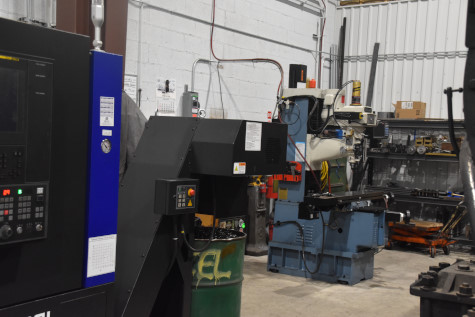
In an example of old meeting new, the railroad had recently acquired a modern machine for manufacturing steam engine staybolts which is powered by solar panels.
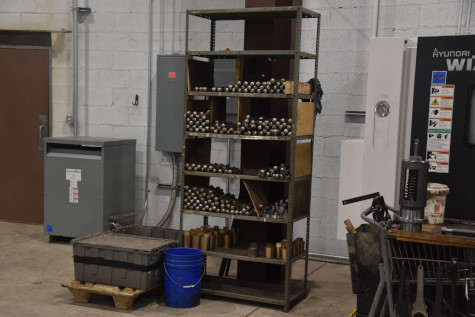
Plenty of staybolts in stock.
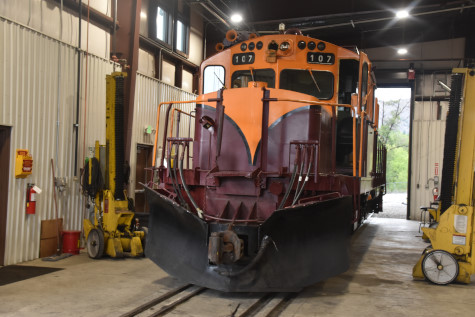
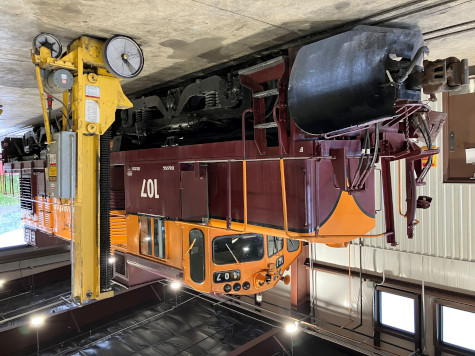
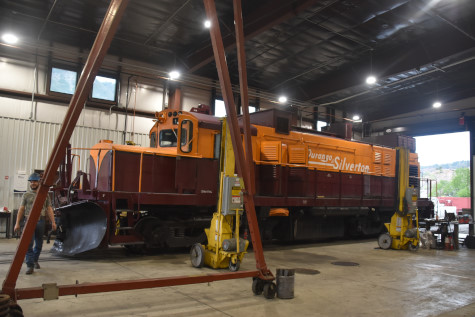
Durango and Silverton DL535 107, nee White Pass and Yukon 107, built by Montreal Locomotive Works in 1969. It arrived on August 20, 2020 after a lengthy journey from Skagway, Alaska. Part of a class of ten built for the WP&YR between 1969 and 1972, the "101's" as they are commonly known, have operated most of their existence on the WP&YR; 101 and 107 both operated in Colombia between 1992 and 1999 before returning to the Klondike. 107 is the first of four of the DL535 class purchased by the Durango and Silverton in February 2020.
The relocation of the 210,000-pound locomotives began on April 13th in Skagway, Alaska on a barge bound for Bellingham, Washington. Prior to their 1300 mile highway trip, both locomotives were stored in Bellingham with 107 ultimately relocated to a site in Sedro Woolley, Washington before its final trip to Durango. During their stay in Washington the main generators on both locomotives were removed along with the trucks and other components necessary to reduce both their height and weight for highway transportation.
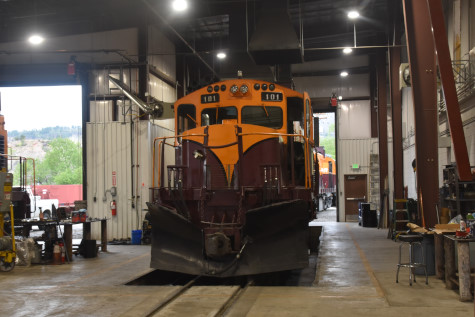
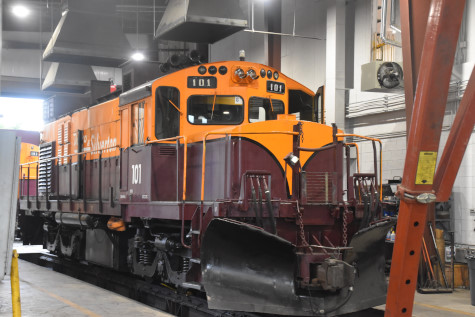
Durango and Silverton DL535 101, nee White Pass and Yukon 101, built by Montreal Locomotive Works in 1969. While steam locomotives will remain the Durango & Silverton’s primary power, the railroad will now have ten diesels on its roster. Initial plans for the new diesels are for maintenance-of-way use and on the short-trip Cascade Canyon Express summer excursions. Although the D&S owns other diesel engines, none were designed for the mountainous trek to Silverton. The new diesel engines have the capability to run from Durango to Silverton with a substantially larger train; allowing greater flexibility in operating both revenue and non revenue work trains.
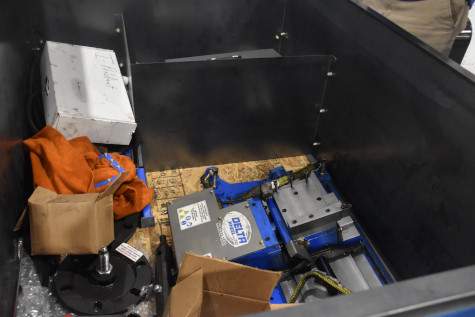
A portable wheel lathe for narrow gauge engines.
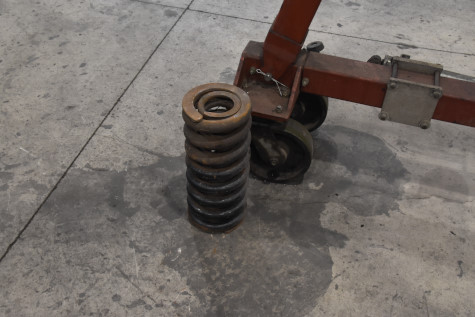
A spring from a steam engine.
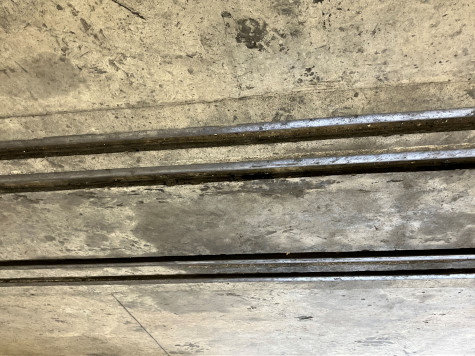
When this building was constructed, both narrow gauge and standard-gauge track was installed.
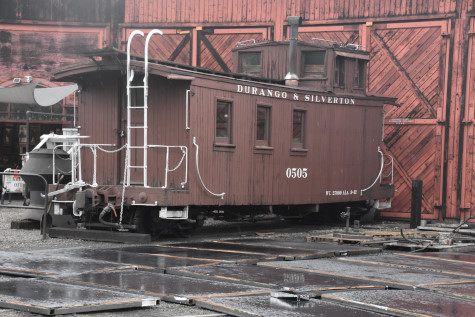
Our tour took us outside where we saw Durango and Silverton caboose 0505, built by the railroad in 1886.
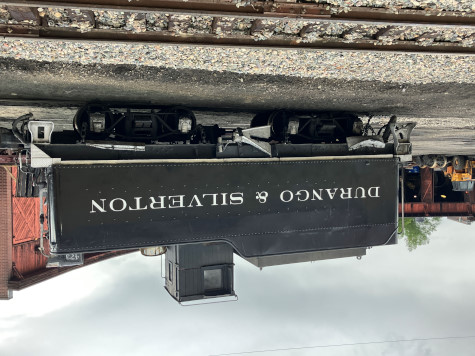
The tender of Durango and Silverton 2-8-2 473.
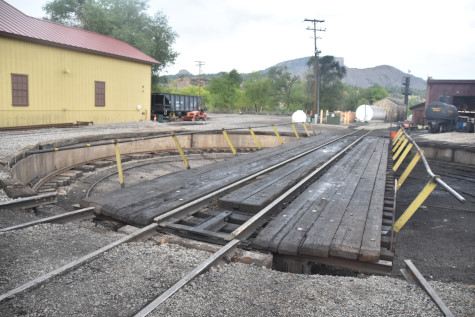
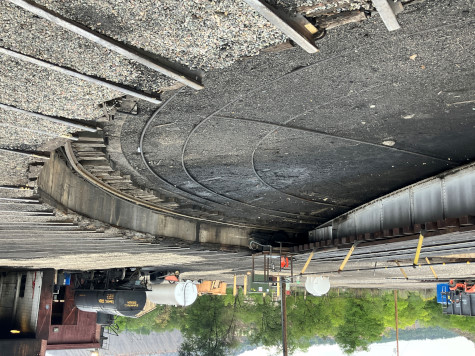
The 65 foot roundhouse turntable built in 1902 and acquired from Alamosa.
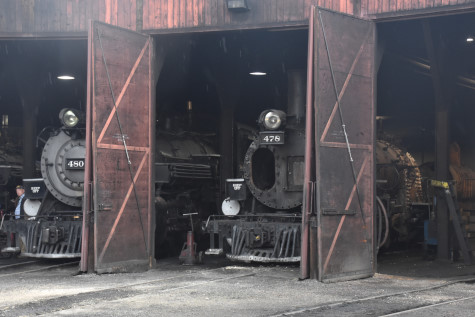
Durango and Silverton 2-8-2 480 and 478 in the roundhouse.
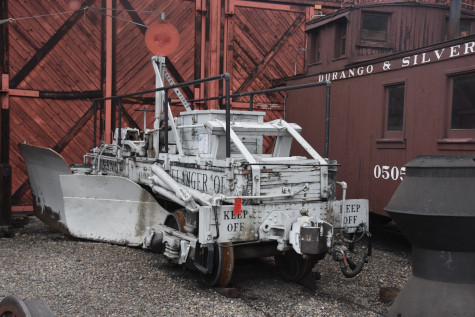
Durango and Silverton flanger OF, nee Denver and Rio Grande Western 4, built by the railroad in 1885.
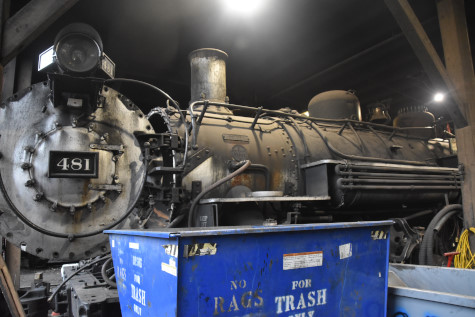
Durango and Sliverton 2-8-2 481, nee Denver and Rio Grande Western 481, built by Baldwin in 1925.
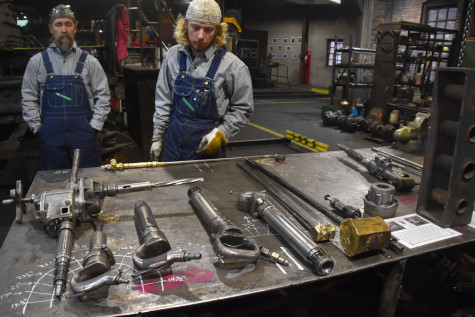
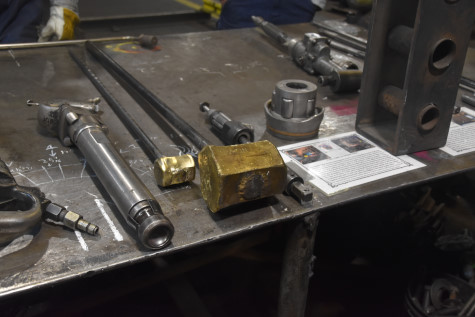
Our tour guides and some of the drills used on the steam engines.
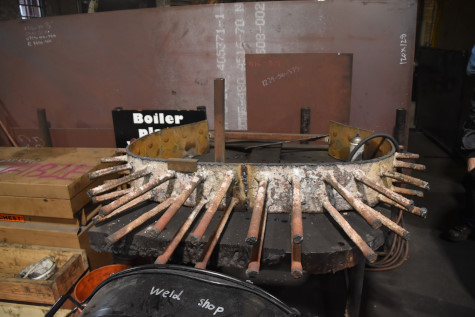
A boiler plate removed from one of the steam engines being converted from coal to oil.
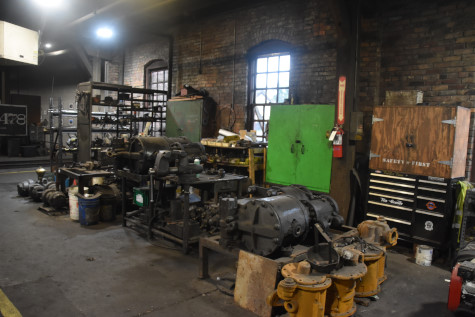
Roundhouse machinery and stores.
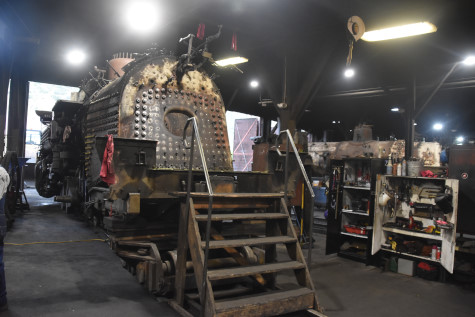
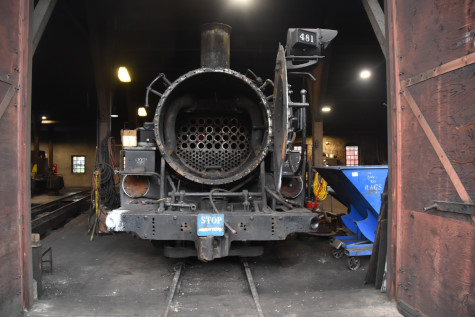
Durango and Sliverton 2-8-2 481, undergoing conversion from coal to oil.
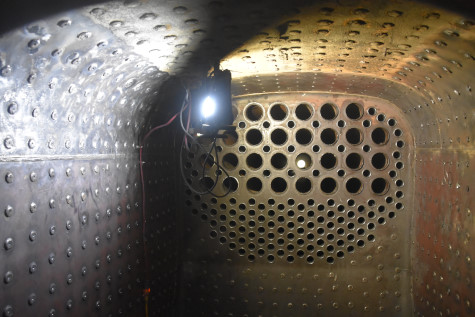
The firebox of Durango and Sliverton 2-8-2 481.
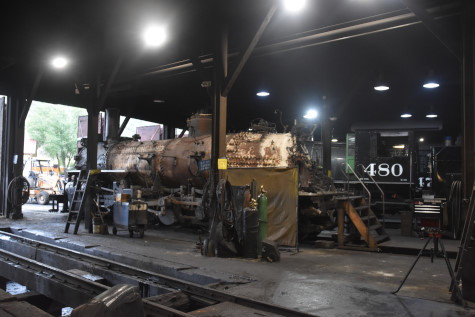
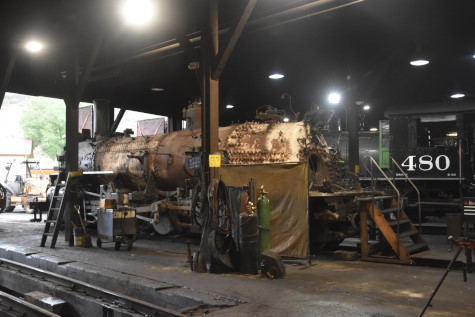
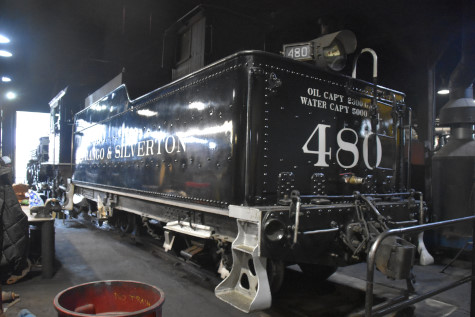
Durango and Silverton 2-8-2 480, nee Denver and Rio Grande Western 480, built by Baldwin in 1925, also undergoing conversion.
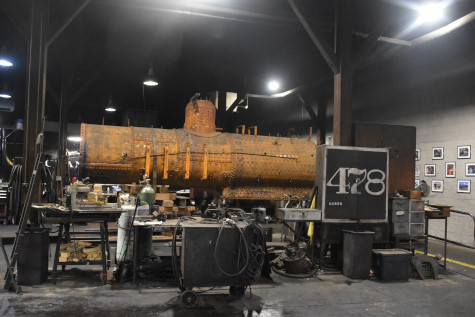
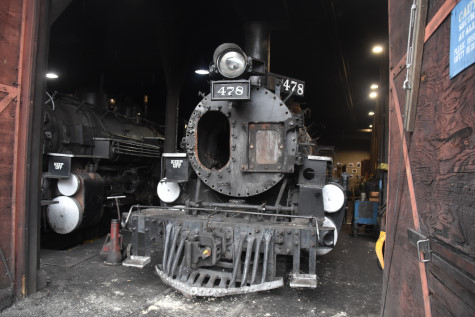
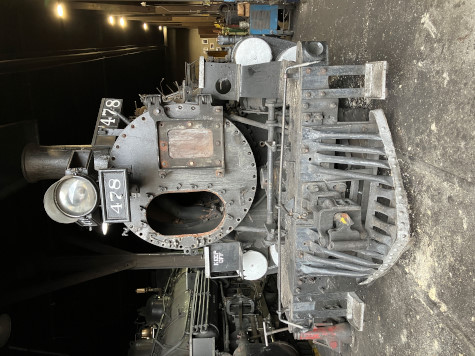
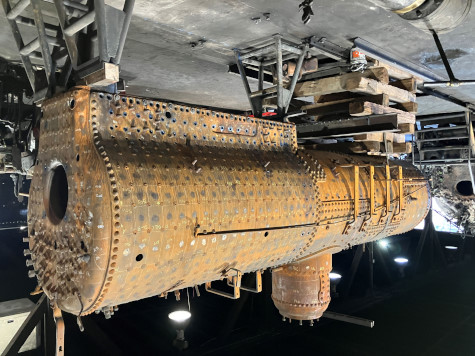
Durango and Sliverton 2-8-2 478, nee Denver and Rio Grande Western 478, built by Baldwin in 1925, waiting its turn to be converted from coal to oil.
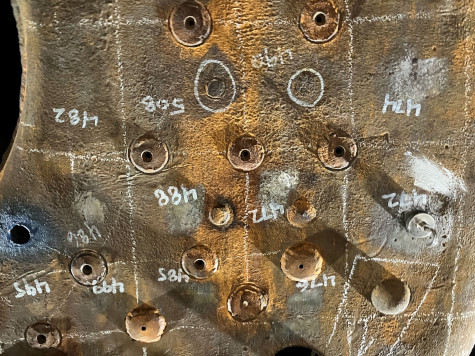
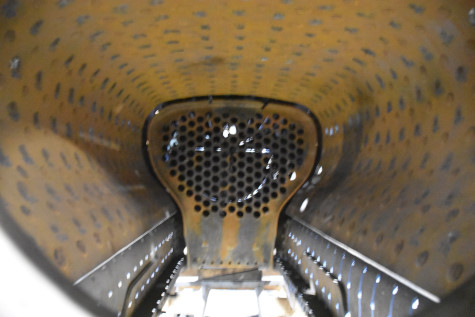
The staybolts and their numbers, part of a 1,472 day inspection that is required to occur on all operating steam engines. Those who wished could peer into the boiler.
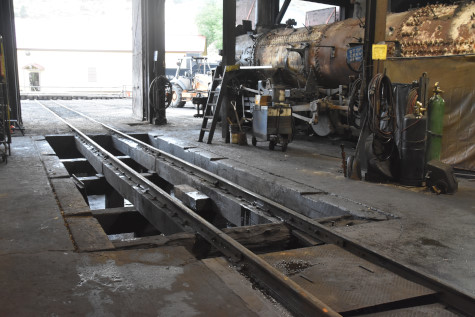
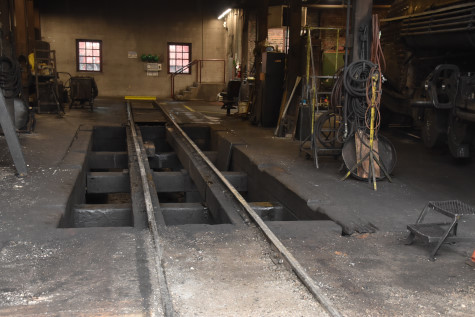
One of the drop pits in the roundhouse.
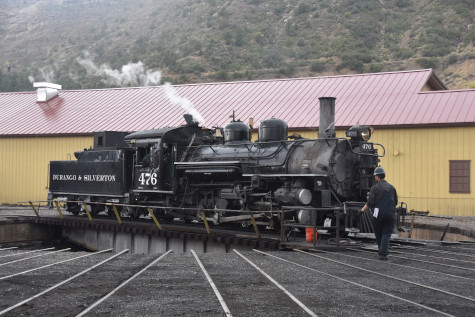
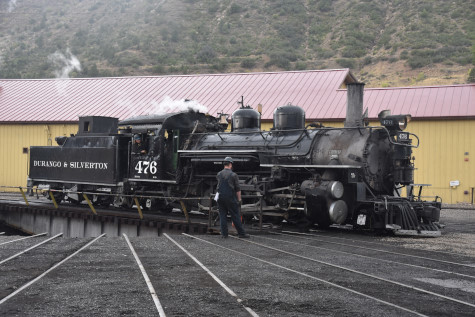
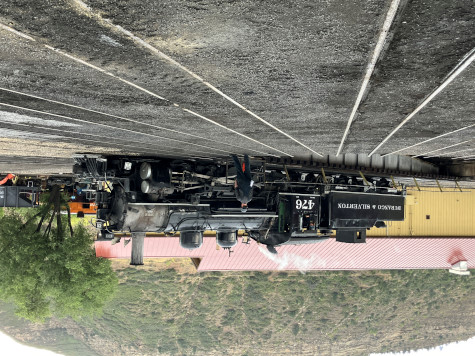
Durango and Sliverton 2-8-2 476, on the turntable on the way to the roundhouse.
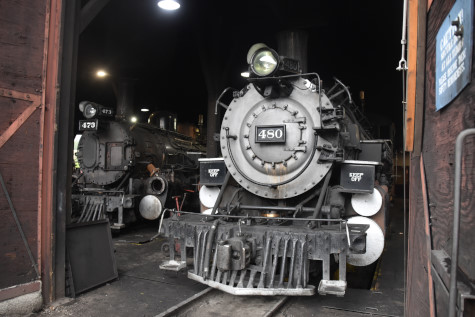
Durango and Silverton 2-8-2 473, built by American Locomotive Company in 1923, and Durango and Sliverton 2-8-2 480, nee Denver and Rio Grande Western 480, built by Baldwin in 1925.
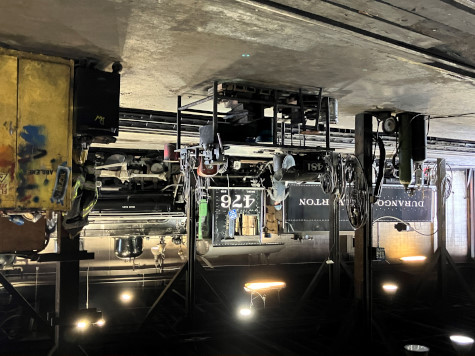
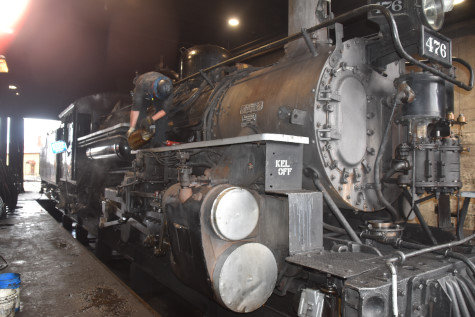
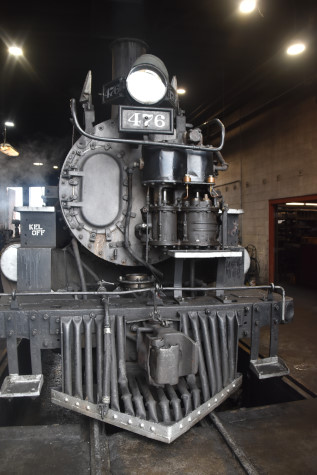
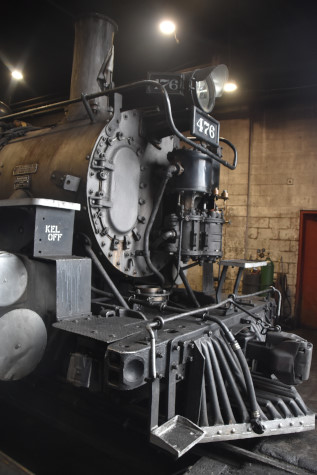
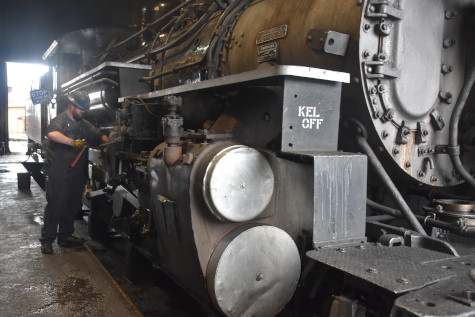
Durango and Sliverton 2-8-2 476, being serviced and cleaned after the excursion to Cascade wye earlier in the day.
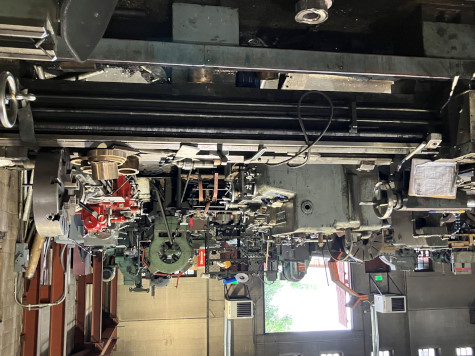
Part of the machine shop.
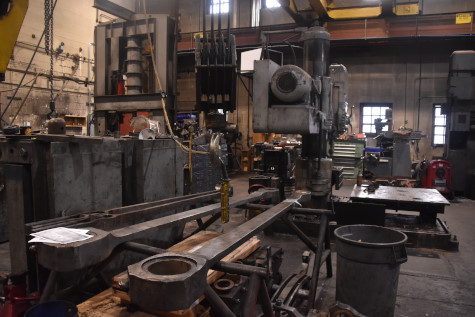
Locomotive rods.
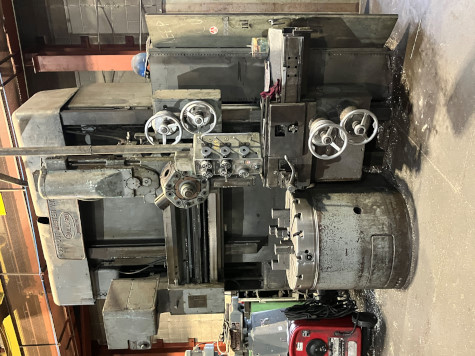
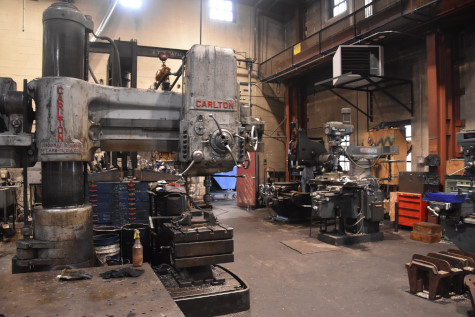
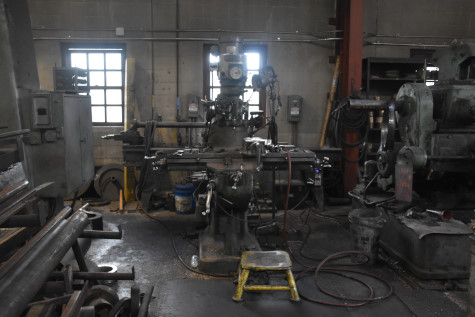
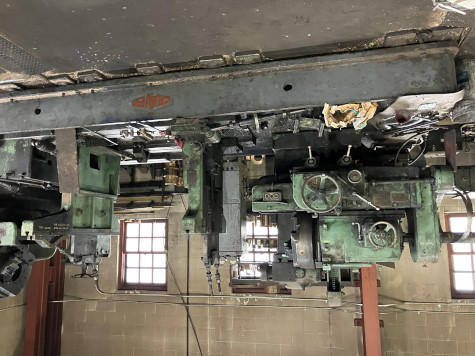
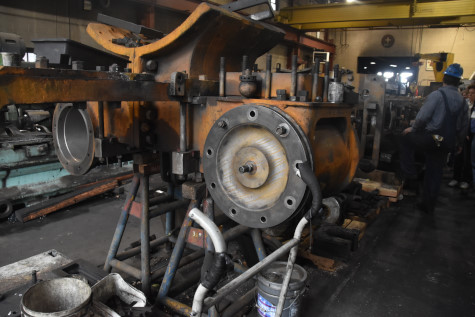
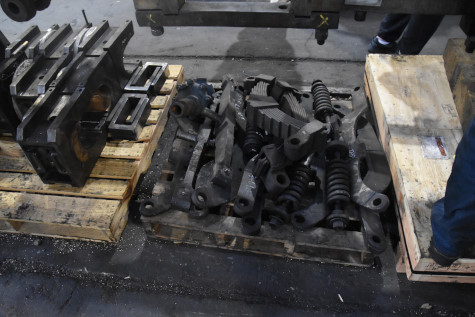
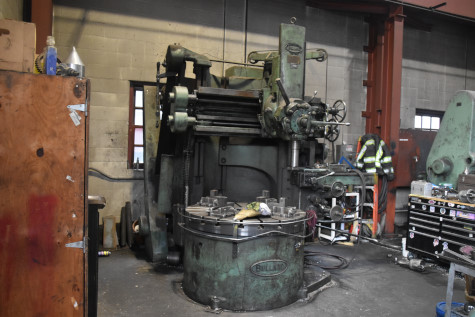
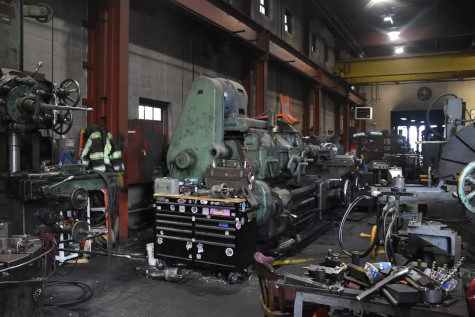
This machine shop is so capable that they never have to outsource any activities. All work is done in these buildings and the equipment dates from the 1930's and 1940's.
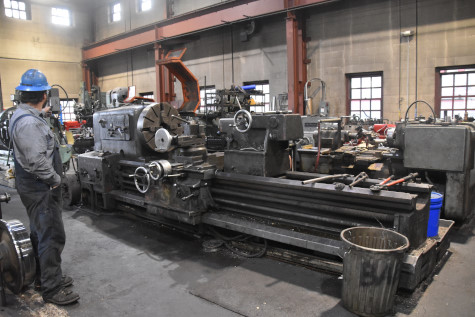
One of the tour guides.
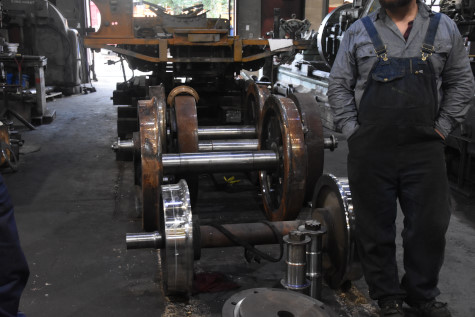
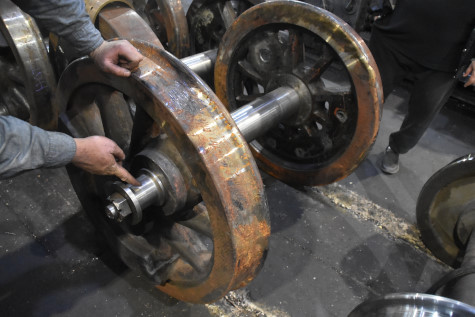
Explaining the finer points of a wear on a wheel.
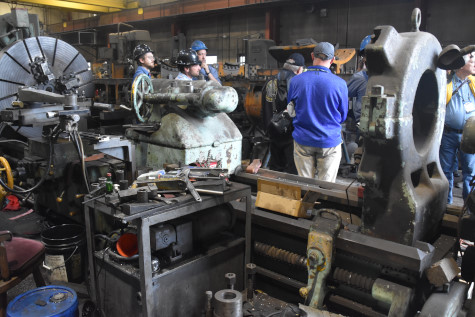
Those conference attendees who work with steam engines were in their element during this tour.
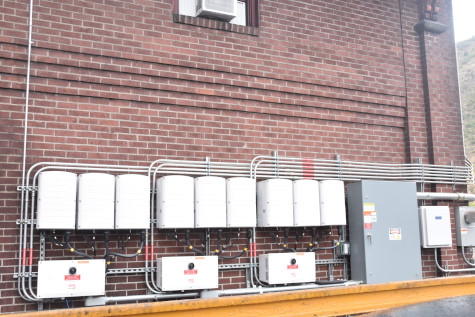
A new tour guide took over and showed with pride the solar panel control boxes. In July 2024, in partnership with Shaw Solar, American Heritage Railways, which owns the Durango and Silverton, installed 868 solar panels on the roundhouse, museum, car and contract shops. A grant from the U.S. Department of Agriculture covered half the $1.5 million installation, whose goal was to reduce energy costs as well as decrease the railroad company’s carbon footprint. The move to solar power will replace an average of 640,000 kWh of power plant-supplied electricity and eliminate a little over a million pounds of carbon dioxide emissions in total.
Renovations to the building roof occurred first followed by the solar panel installation.
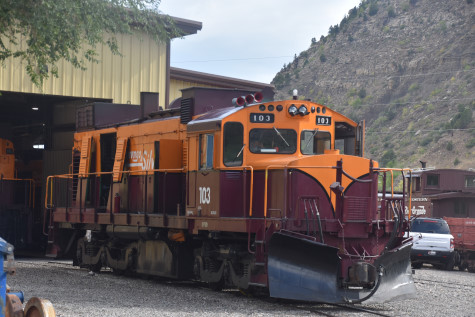
Durango and Silverton DL535 103, nee White Pass and Yukon 103, built by Montreal Locomotive Works in 1969.
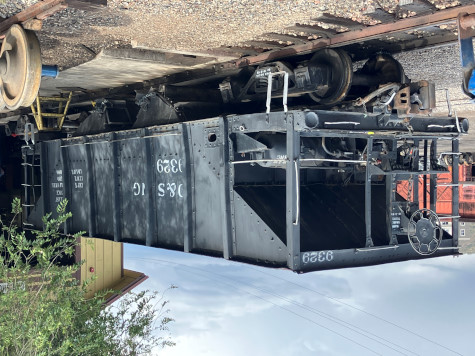
Durango and Silverton 3-bay hopper 9329, nee East Broad Top, built by the East Broad Top in 1910.
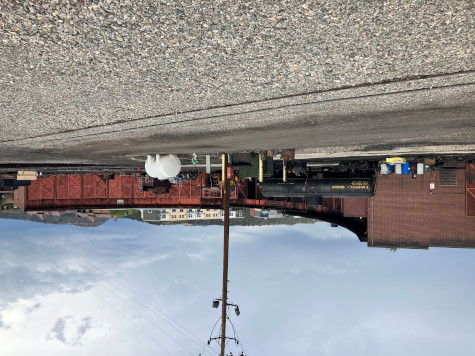
Roundhouse view.
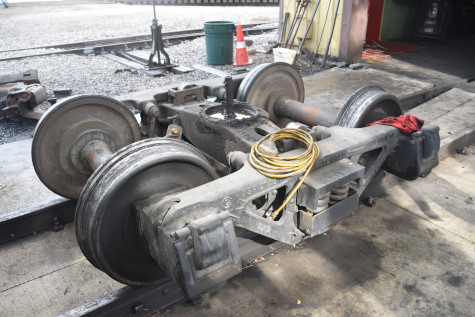
A truck from a Denver and Rio Grande Western coach.
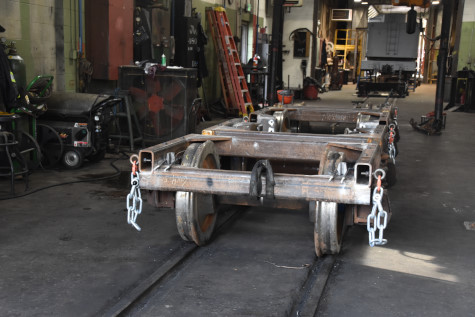
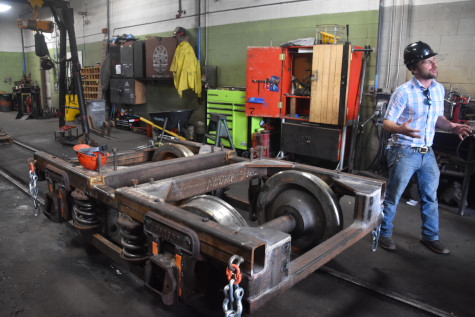
The Durango and Silverton does contract repair work and these trucks were being worked on, as explained by Sean Jackson, our guide in the car shop.
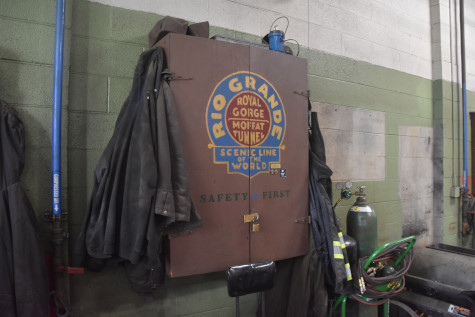
It was nice to see this "Rio Grande Royal Gorge Moffat Tunnel Scenic Line of the World" emblem on a cupboard, harkening back to the Denver and Rio Grande Western's heyday.
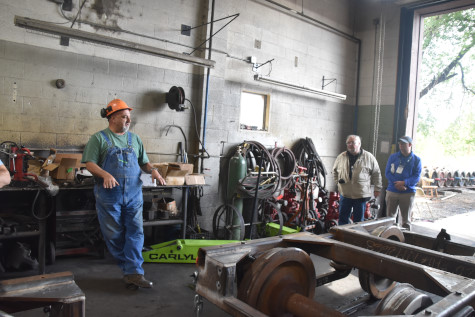
Another tour guide answering questions.
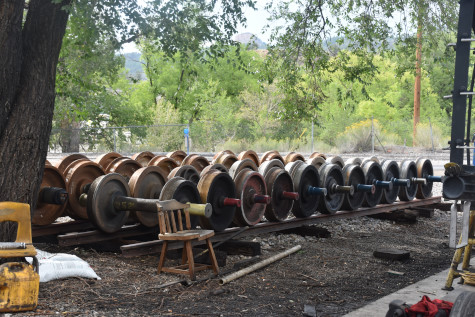
Wheel sets outside the carshop.
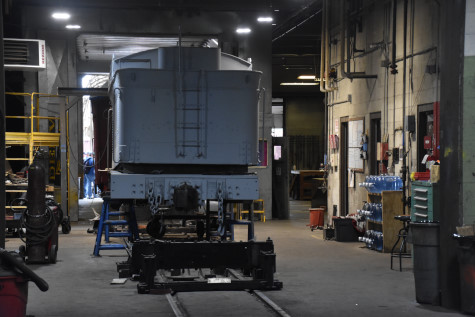
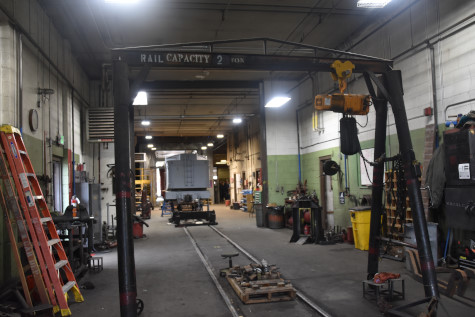
A tender and a two ton crane. That brought the shop tour to an end, but we had the museum to see.
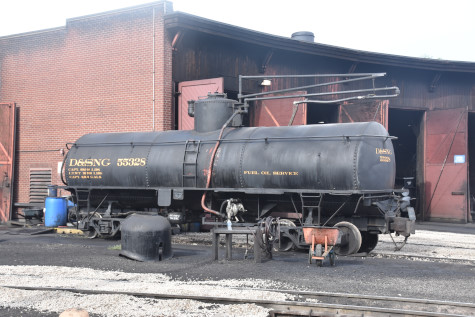
Union Tank car tank car 55328, built by the company in 1910.
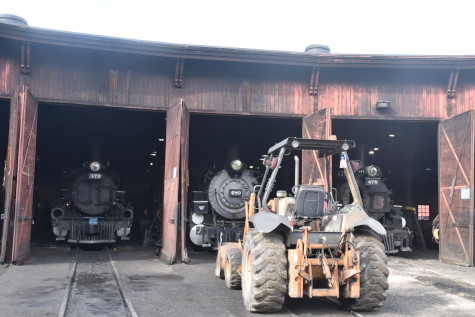
Durango and Silverton 473, 480 and 478 in the roundhouse.
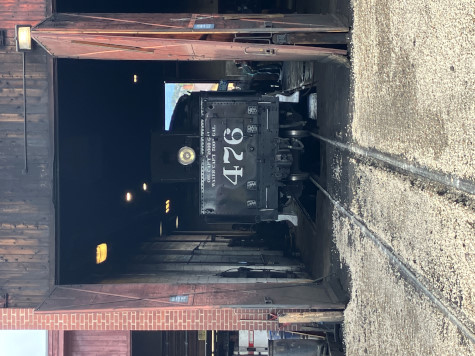
The rear of Durango and Silverton 476.
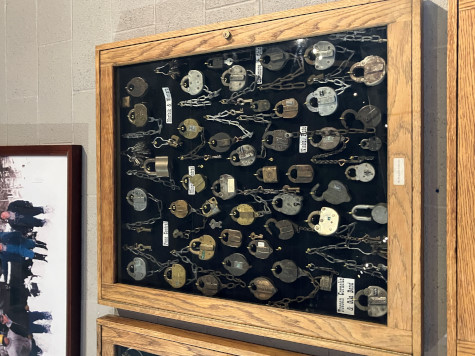
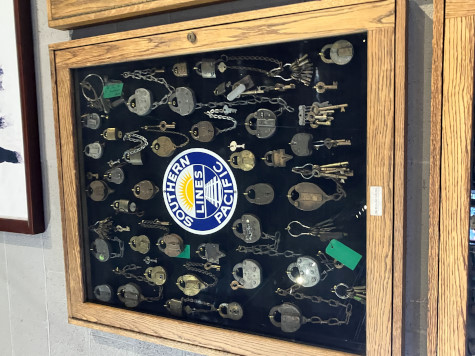
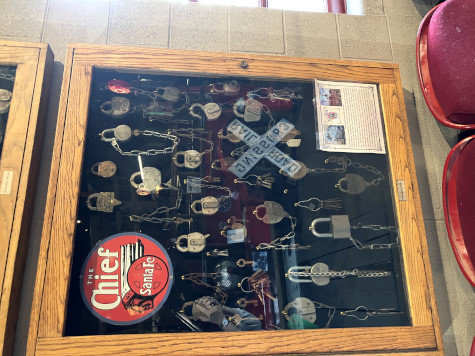
Switch locks and keys from a variety of railroads in the museum.
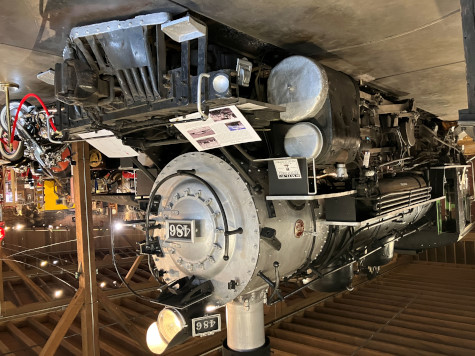
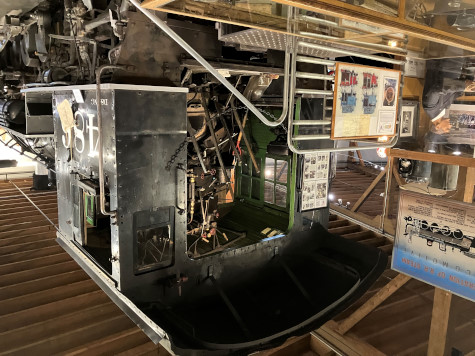
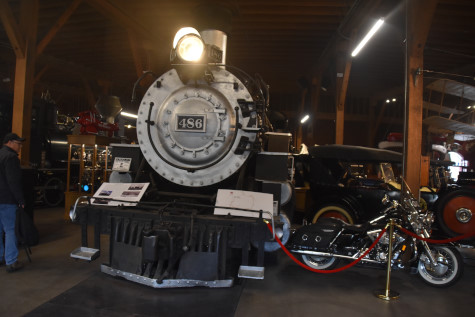
Durango and Silverton K-36 2-8-2 486, built by Baldwin in 1925. It was acquired from Royal Gorge Park in trade for 499 in 1999 then restored to operation in August 2000 and taken out of service in October 2019.
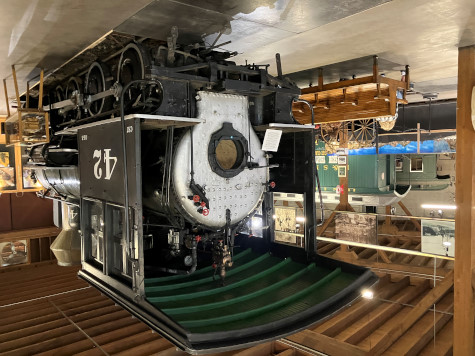
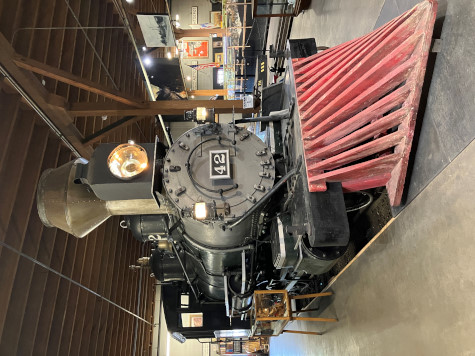
Rio Grande Southern C-17 2-8-0 42, nee Denver and Rio Grande Western 420, built by Baldwin in 1887. It was sold to the Rio Grande Southern in 1916, re-numbered 42 and worked until the railroad was dismantled in 1952. In 1953, the engine was sold to the Narrow Gauge Motel in Alamosa, Colorado. In 1958, it was bought by the Magic Mountain Amusement Park in Golden, Colorado, where it was converted to burn oil and operated for a short time. In 1969 it went on display in Monument, Colorado, in front of a bank. In 1971, it returned to Golden as a restaurant display at Heritage Square. Finally in 1983, it was bought by the Durango & Silverton Railroad.
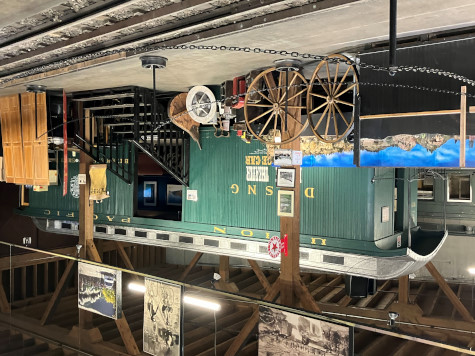
Union Pacific car 6600, a film prop from "Butch Cassidy and the Sundance Kid", which has become the museum theatre.
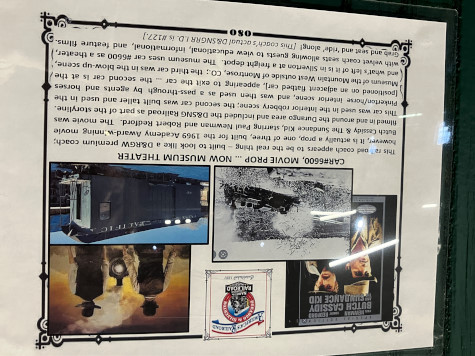
The story board for this film prop.
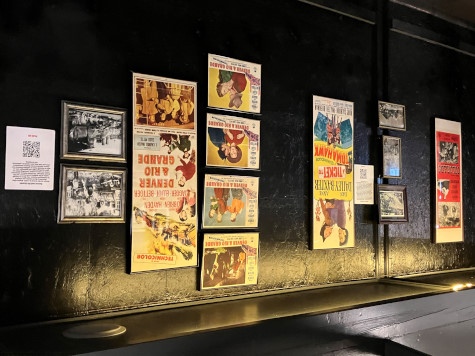
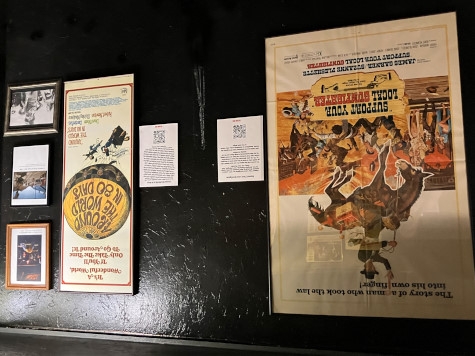
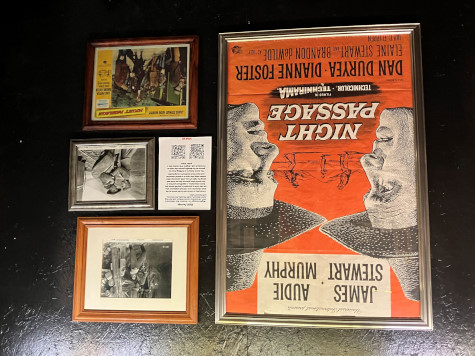
Posters for films that were fully or partially made on the Durango and Silverton.
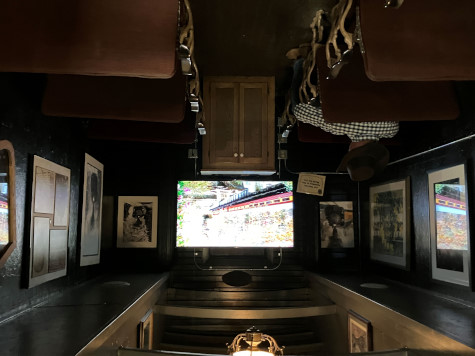
At the far end of this car one can watch a movie about the railroad's film career.
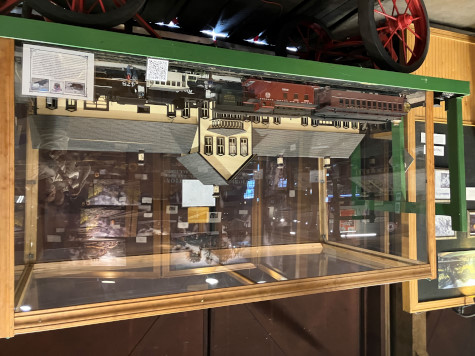
A scale model of the Durango station.
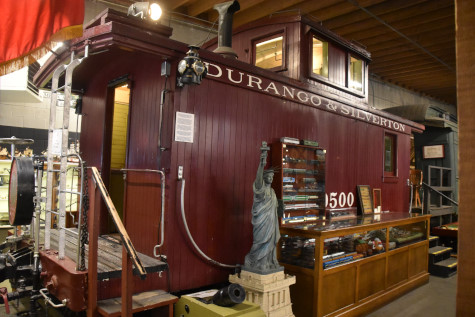
Durango and Silverton caboose 0500, built by the Denver and Rio Grande Western Railroad in 1886.
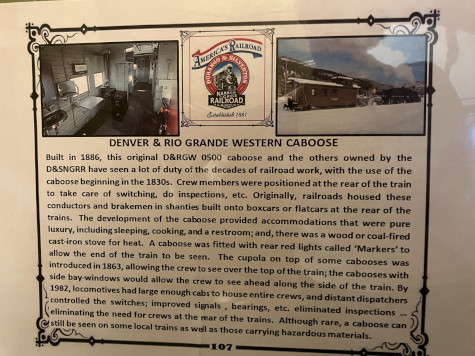
Caboose story board.
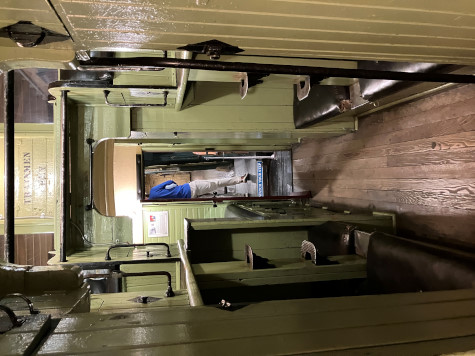
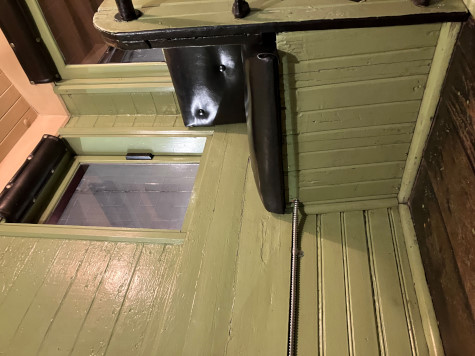
The interior of the caboose.
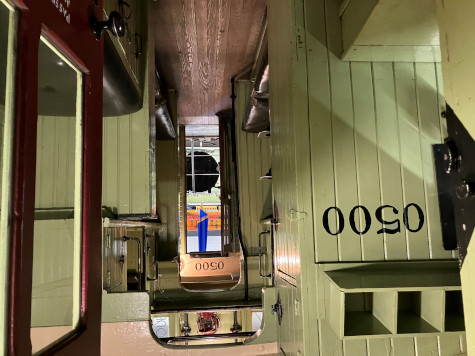
We walked from the cabosse into the emigrant sleeper.
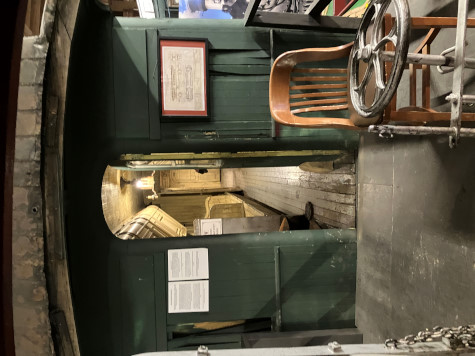
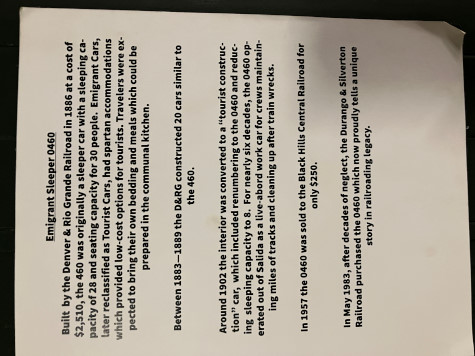
The entrance and story board.
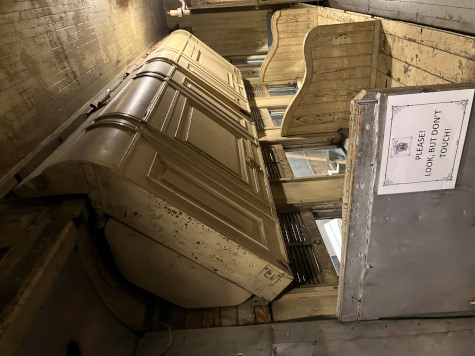
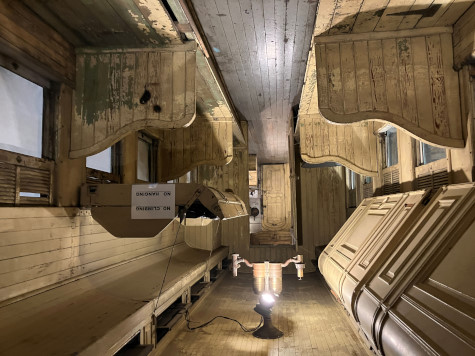
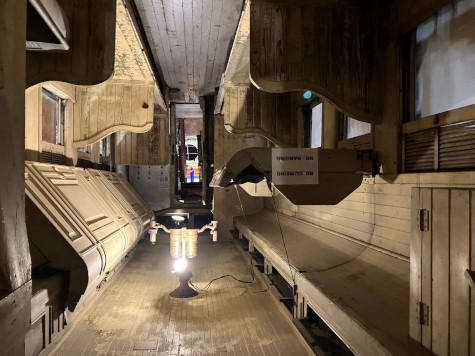
Interior views.
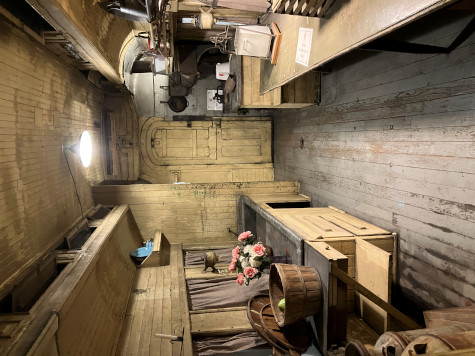
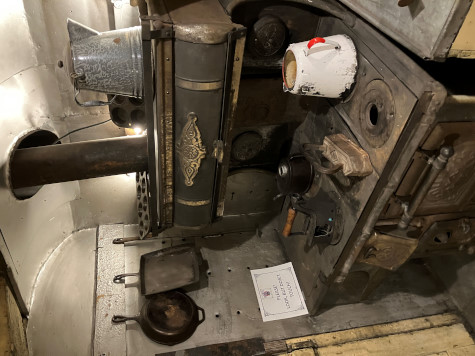
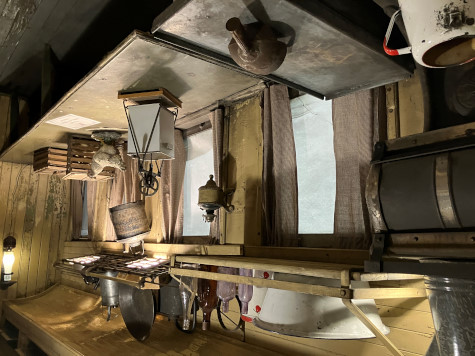
The kitchen area.
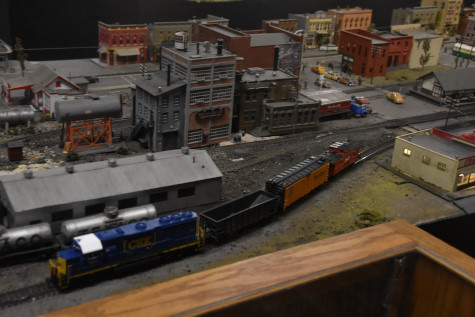
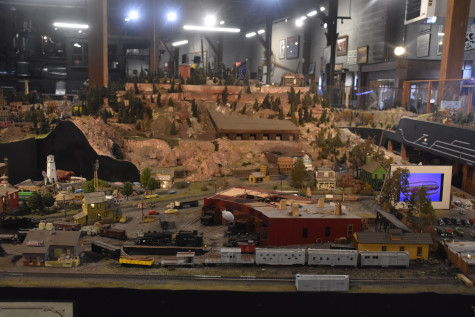
An HO diorama.
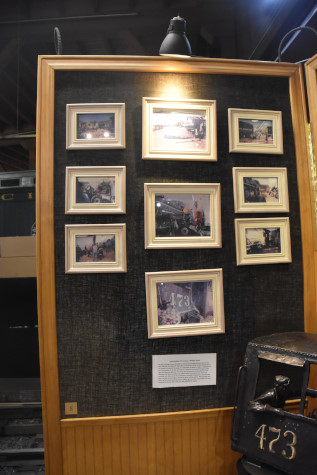
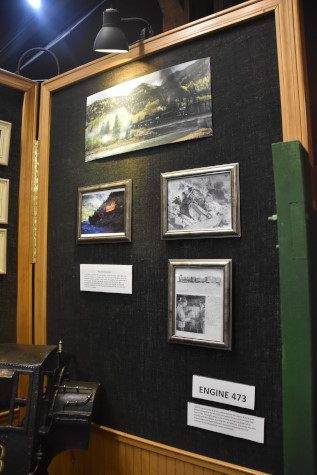
Photographs from a June 25, 1987 incident between steam engine 473 and a potato truck.
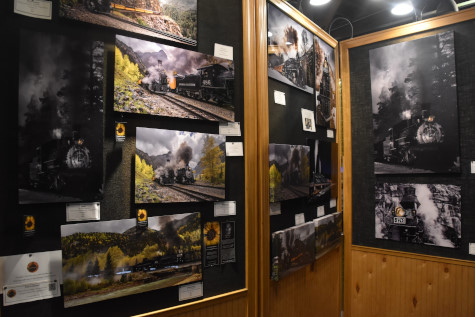
Sarah Gump, a local photographer, has a display of her Durango and Silverton photographs for purchase.
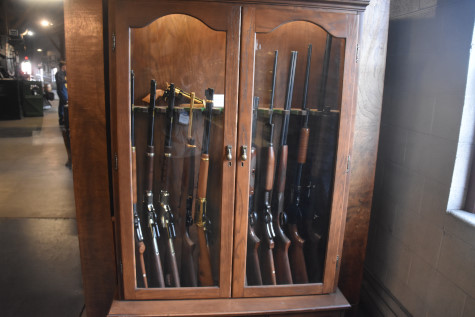
Rifies on display.
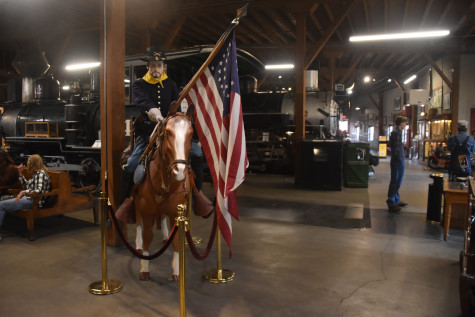
A Civil War-era soldier on his horse.
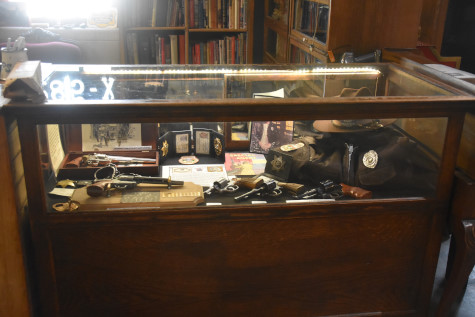
This case includes a reproduction of Wyatt Earp's and Butch Cassidy's pistols.
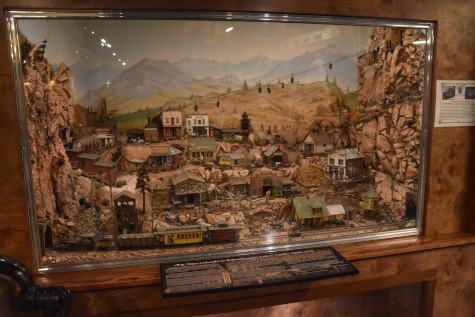
A diorama of St. Elmo, Colorado as remembered by Lisle C. Updike (1980-1976). St. Elmo is a ghost town established in Chalk Creek Canyon in 1880 and nearly 40 original buildings still stand at 9,961 feet. With that, we had seen everything we wanted so thanked the museum tour guide and started to return to the car.
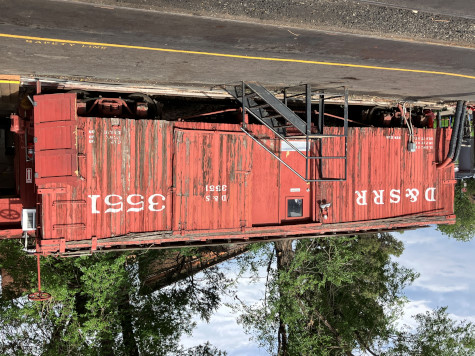
Durango and Silverton box car 3551, built by American Car and Foundry in 1904.
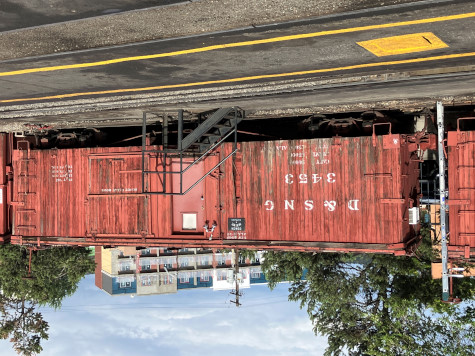
Durango and Silverton box car 3453, built by American Car and Foundry in 1904.
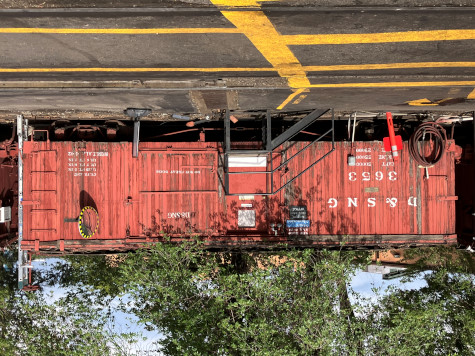
Durango and Silverton box car 3653, built by American Car and Foundry in 1904.
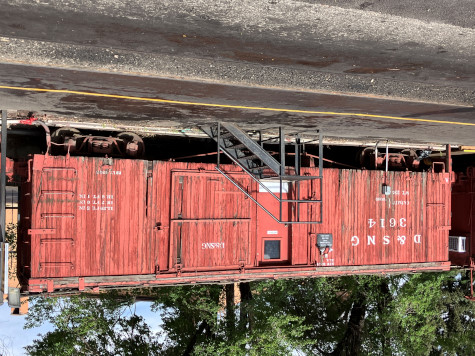
Durango and Silverton box car 3614, built by American Car and Foundry in 1904.
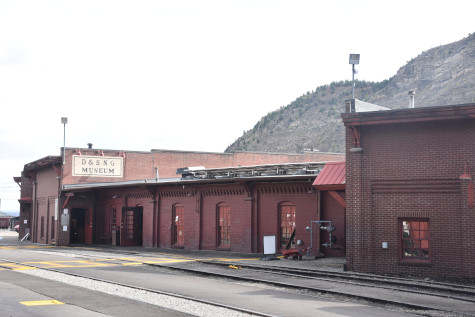
Part of the roundhouse and museum that one can tour. Yard tours are an hour-and-a-half in length and a ticket is needed. There is no charge for admission to the museum.
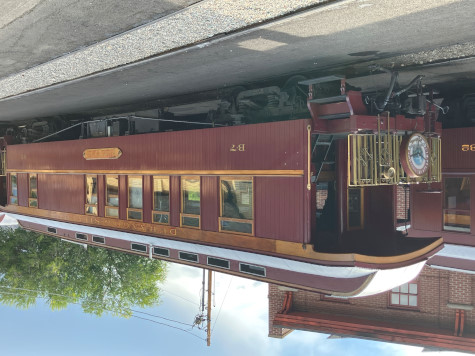
As we departed, a couple of final pictures of the private cars that were in the consist of the two Heritage Rail Alliance excursions. Durango and Silverton business car B7 "General Palmer", nee Denver and Rio Grande 17, built by Billmeyer & Small in 1880.
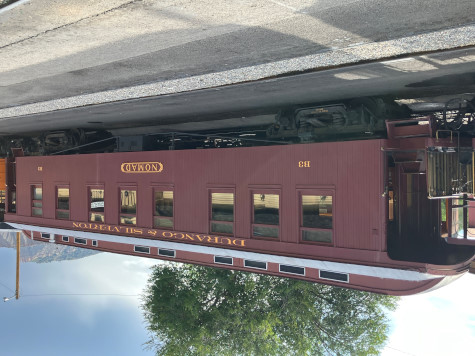
Durango and Silverton observation car B3 "Nomad", nee "Fairplay" built in 1878. In 1886, it was rebuilt as Business Car N. It is reportedly the favorite car of Denver and Rio Grande president William Jackson Palmer. The "Fairplay" has hosted Presidents William H. Taft, Ulysses S. Grant and Theodore Roosevelt. While being owned by several parties between 1951 and 1982, "Fairplay" was renamed "Nomad". It was acquired by the D&SNG in 1982. Today it is the oldest private railroad coach still in service in the United States. It runs daily throughout the summer.
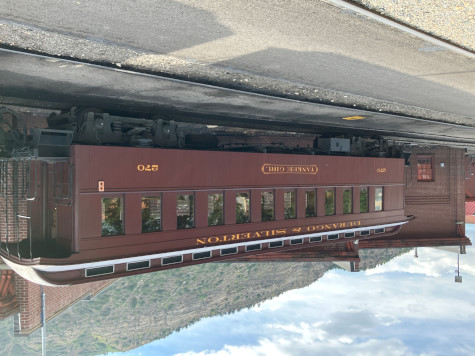
Durango and Silverton premium coach 270 "Yankee Girl", built by Jackson and Sharp in 1880. It was acquired by the Denver and Rio Grande Western in 1924 and the Durango and Silverton in 1982.
Elizabeth and I returned to the Fairfield Inn to freshen up for the evening banquet.
| RETURN TO THE MAIN PAGE |