




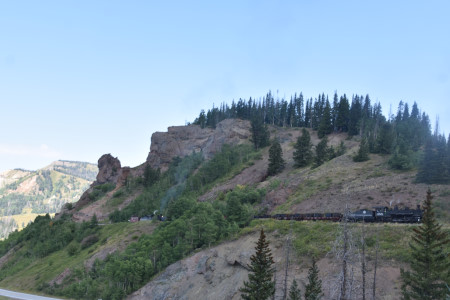
I awoke early in Chama and went to Speedway for orange juice and doughnuts due to the early hour, then drove to the Cumbres and Toltec Scenic Railroad yard, where I met our group for the 6:15 to 6:30 AM check-in. At 6:45, a safety briefing was held for the first of three days of photo freight charters organized by Dak Dillon. Today featured K36 locomotives hauling authentic freight consists up the challenging grade to Cumbres Pass, including a rear helper engine recreating the classic operation practices that made these locomotives famous. Throughout the day, the plan was to work multiple trains up Cumbres Pass, dropping the freight for use on Saturday. Each run included carefully-coordinated photo runby locations that captured different vistas from Chama to Cumbres Pass. The locomotives and freight cars were all lettered Denver and Rio Grande Western for these charters.
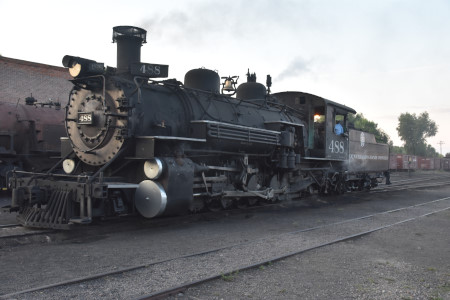
Cumbres and Toltec Scenic 2-8-2 488, nee Denver and Rio Grande Western 488, built by Baldwin in 1925.
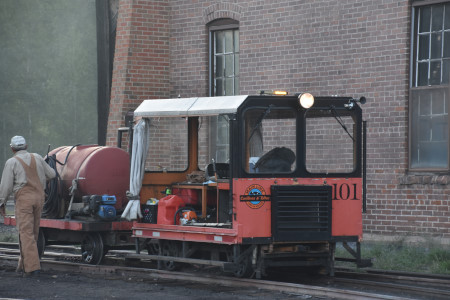
Fairmont Fire speeder A6 A101.
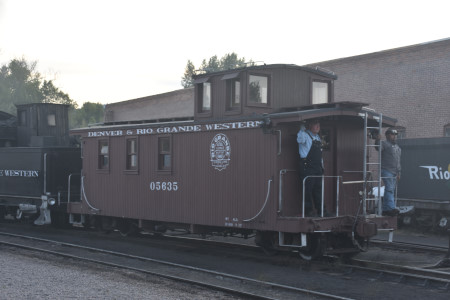
Denver and Rio Grande Western caboose 05635, built by the railroad, year unknown, but constructed from stock car 5635.
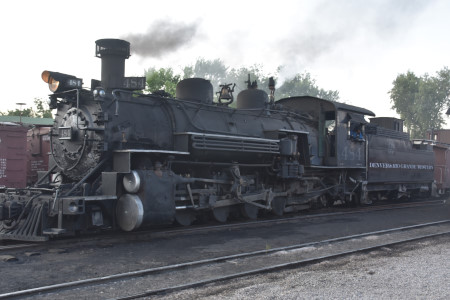
Cumbres and Toltec Scenic Railroad 2-8-2 484, nee Denver and Rio Grande Western 484, built by Baldwin in 1925. We boarded the motor coach which would drop us off at various locations and the train would be held until everyone was in place and ready. The train would not reverse on the mountain due to the time needed to set retainers and brakes.
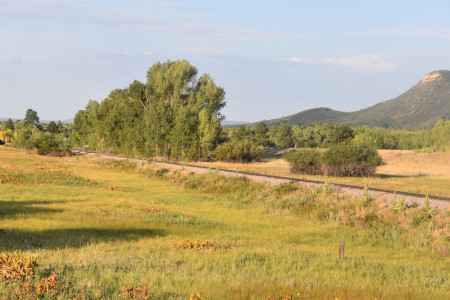
The scene from a landowner's property, from whom permission had been sought, and granted, to be on his land.
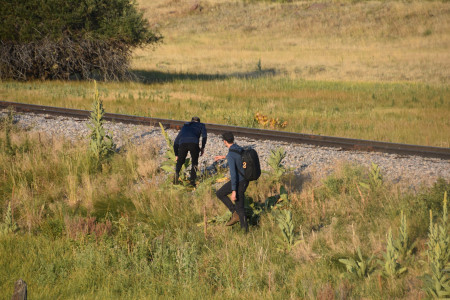
Dak Dillon and a fellow participant practicing vegetation management.
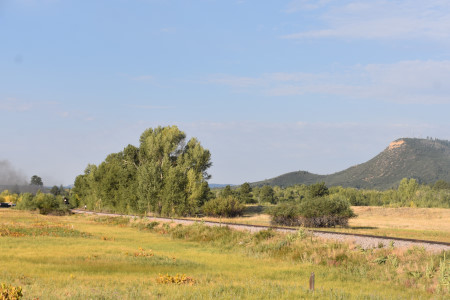
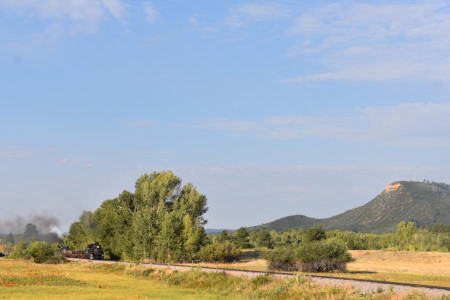
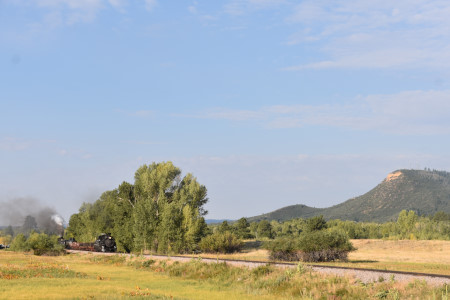
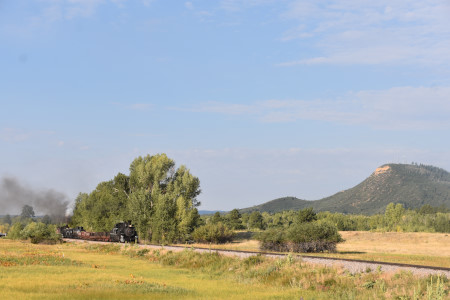
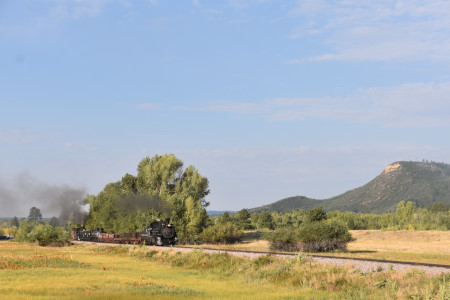
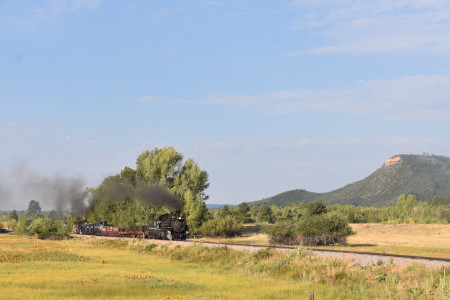
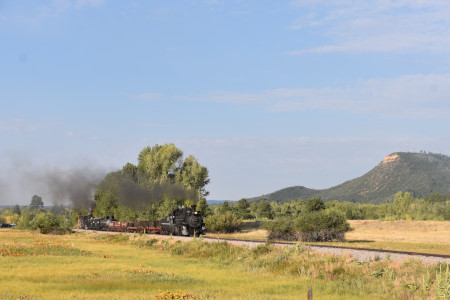
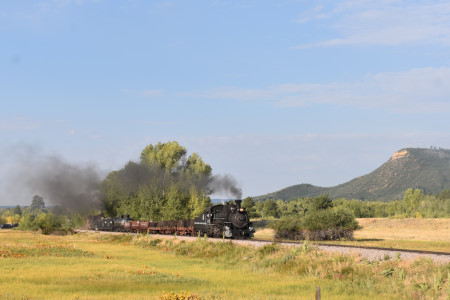
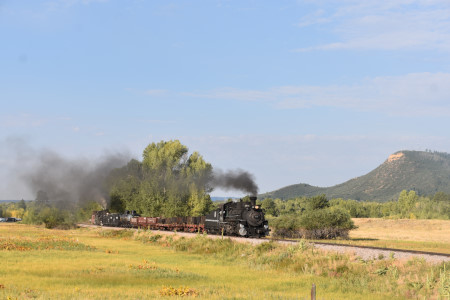
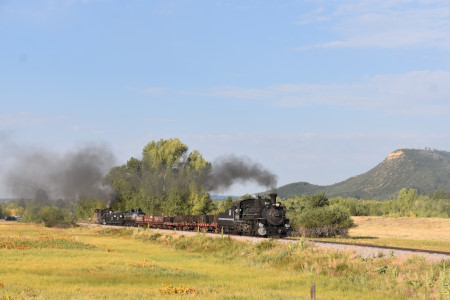
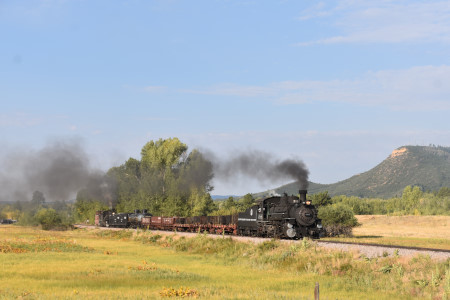
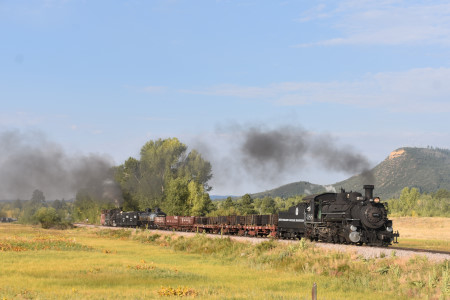
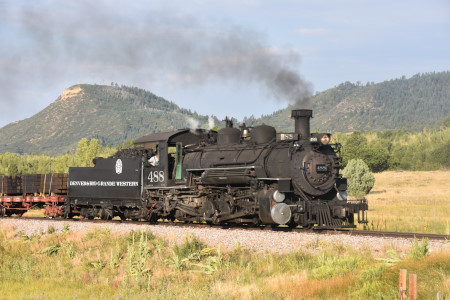
Photo runby one.
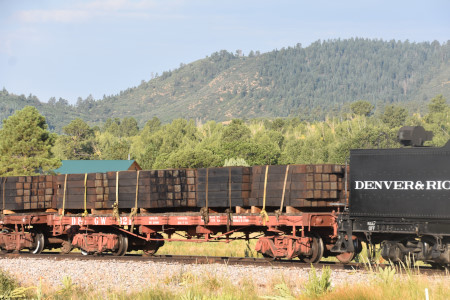
Denver and Rio Grande Western flat car 6214, built by the railroad in 1918.
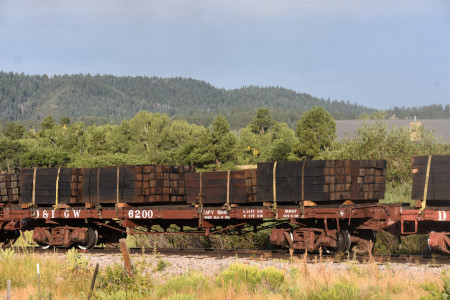
Denver and Rio Grande Western flat car 6200, built by the railroad in 1918.
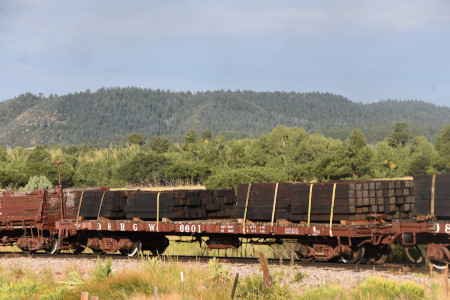
Denver and Rio Grande Western flat car 6601, built by the railroad in 1955 from a box car.
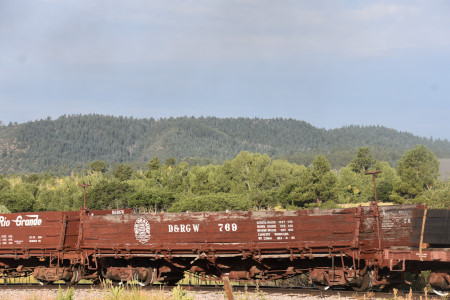
Denver and Rio Grande Western gondola 769, built by American Car and Foundry in 1904.
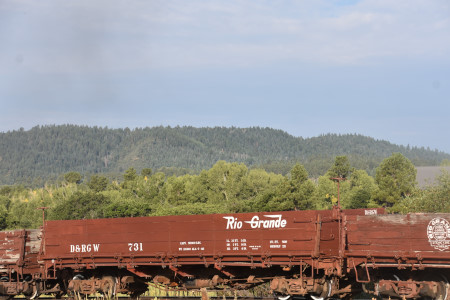
Denver and Rio Grande Western drop-bottom gondola 731, built by America Car and Foundry in 1904.
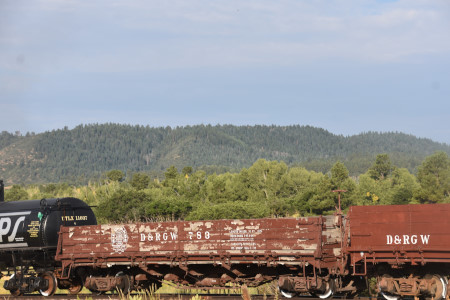
Denver and Rio Grande Western drop-bottom gondola 783, built by American Car and Foundry in 1904.
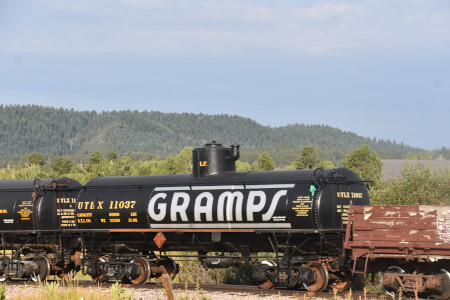
Union Tank Car tank car 11037, nee Union Tank Car 58432, built by the company in 1936. Around 1935, oil was discovered approximately 13 miles north-northwest of Chama, due east of Chromo, at what would become known as the "Gramps Oil Field". The field was owned by Lafayette "Gramps" Hughes. His company moved oil from these wells by pipeline across the Continental Divide to holding tanks and a narrow gauge loading dock at Chama. The system was largely a siphon, with no en-route pumping stations. There are reports that the pipe actually travelled in a wooden box for large sections, insulated with sawdust, to keep the oil warm and fluid enough to make the trip.
At Chama, the oil was loaded into narrow gauge UTLX tank cars for the trip to the Oriental Refinery (sometimes called the Gramps Refinery) in Alamosa. The cars were then sent back light to Chama. When the field was at peak production (1100-1300 bbl/day), this would amount to a fully-loaded 11-car oil train to Cumbres Pass daily. The operation continued until late 1964 and some point that year, the refinery apparently suffered a fire and repairs/ replacement on such a small facility was considered uneconomical. The refinery closed down during September 1964 and the oil traffic over Cumbres Pass ceased. The loss of traffic was a significant blow to all-season operations on the narrow gauge, as the winter of 1964 was the first time the line was shut down. Oil from the field from 1964 until production ended in the 1980s to 1990s was sent by truck to Farmington, New Mexico instead.
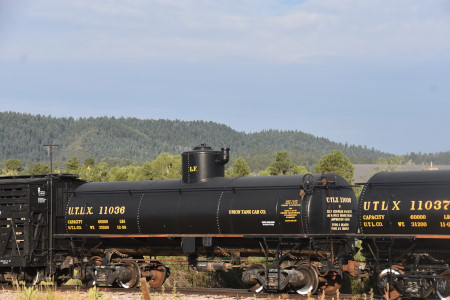
Union Tank Car tank car 11036, nee Union Tank Car 58424, built by the company in 1936.
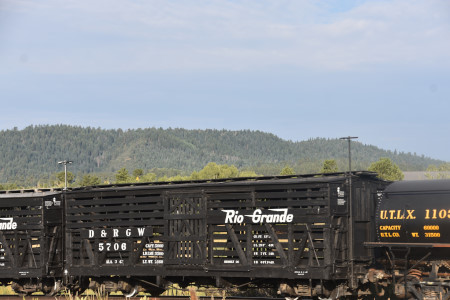
Denver and Rio Grande Western stock car 5706, built by American Car and Foundry in 1904.
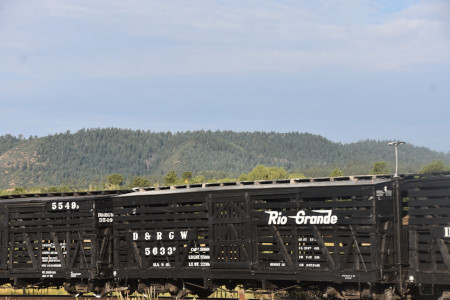
Denver and Rio Grande Western stock car 5633, built by American Car and Foundry in 1904.
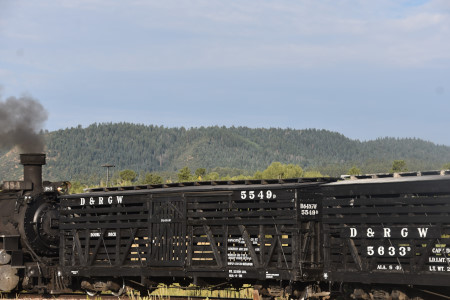
Denver and Rio Grande Western stock car 5549, built by American Car and Foundry in 1904.
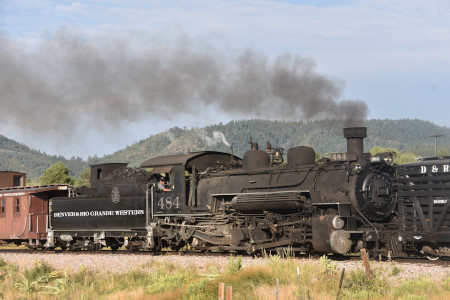
Denver and Rio Grande Western 2-8-2 484.
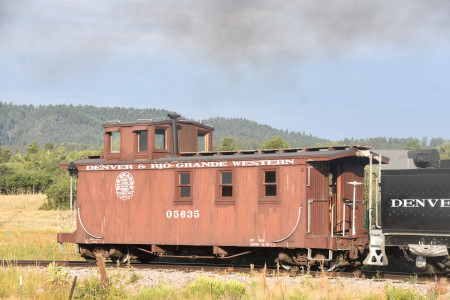
Denver and Rio Grande Western caboose 05635. Everyone reboarded the motor coach and were taken to the next photo location, where we climbed to gain elevation and have the mountains in the background.
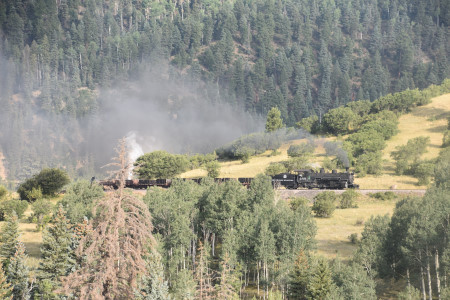
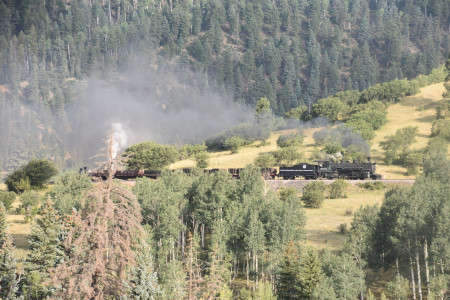
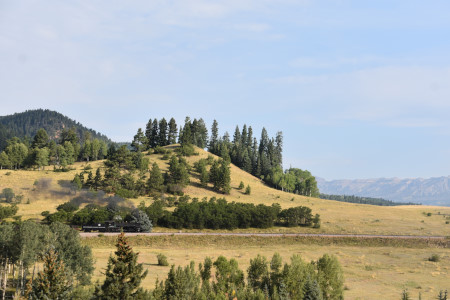
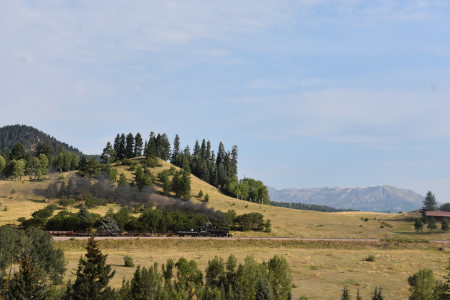
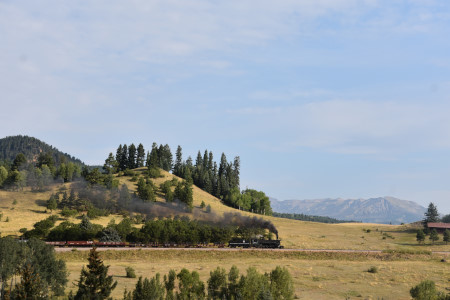
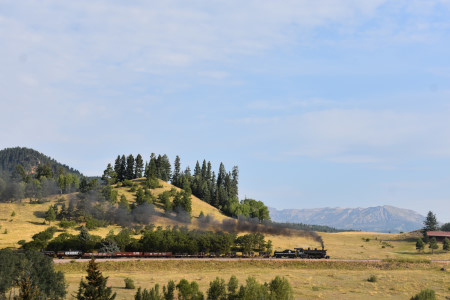
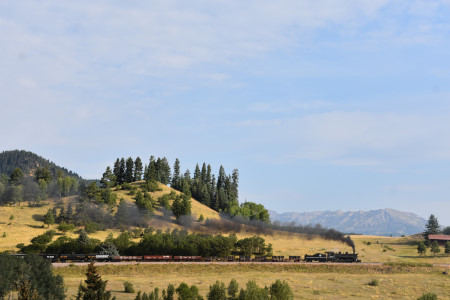
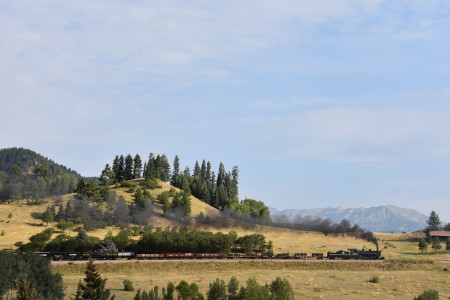
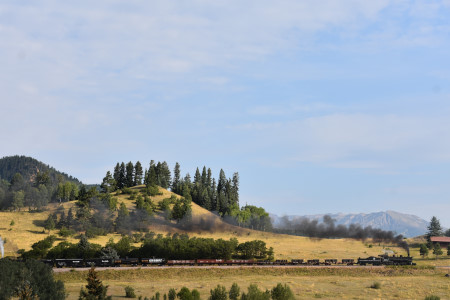
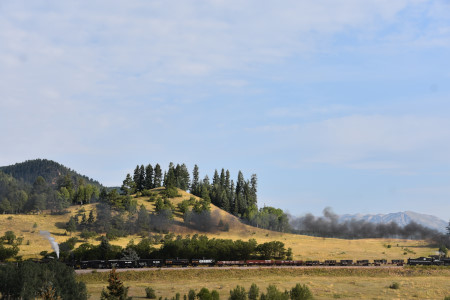
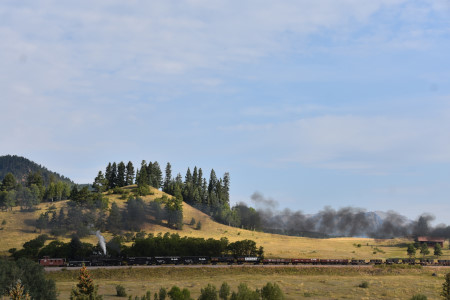
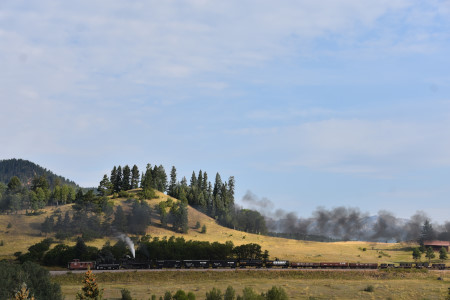
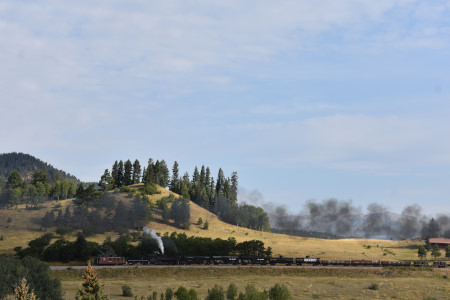
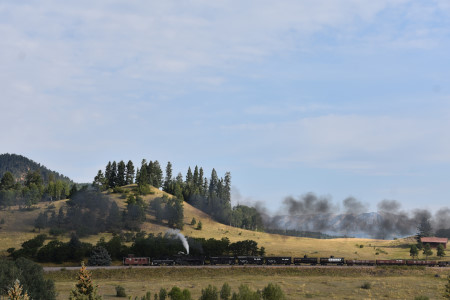
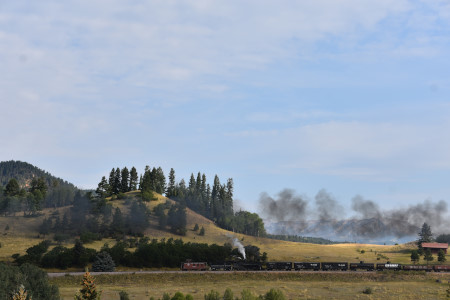
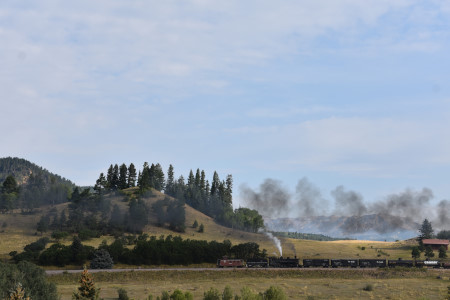
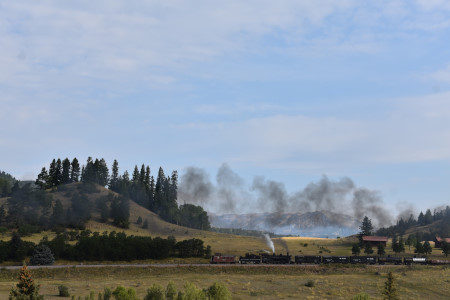
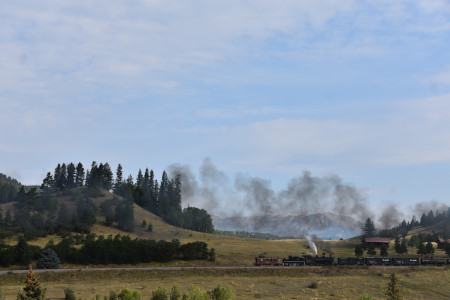
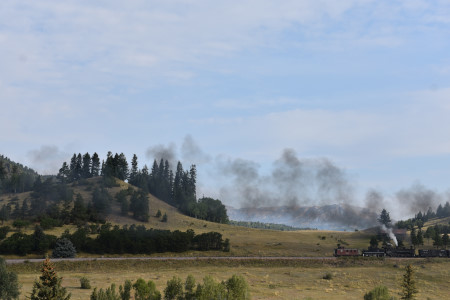
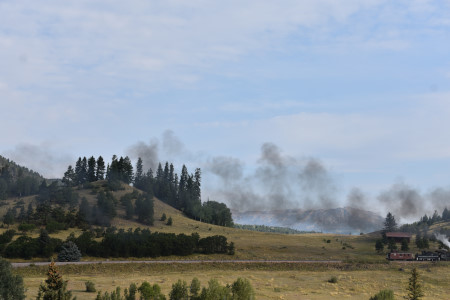
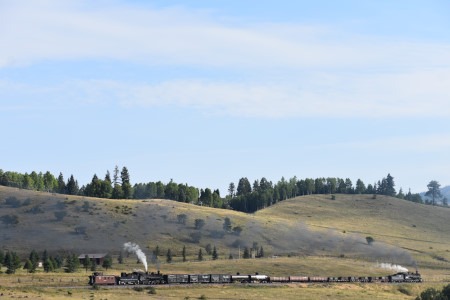
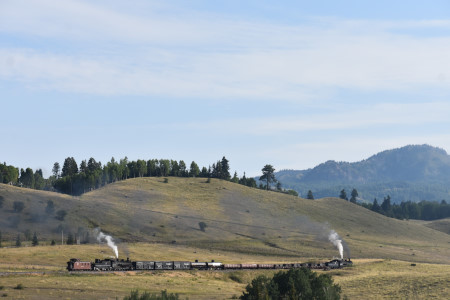
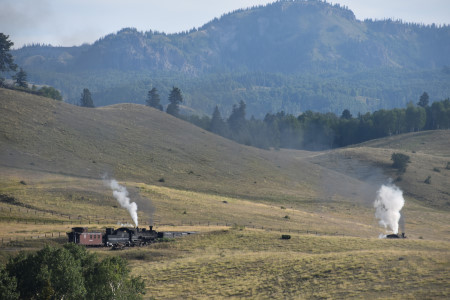
Photo runby two above the highway.
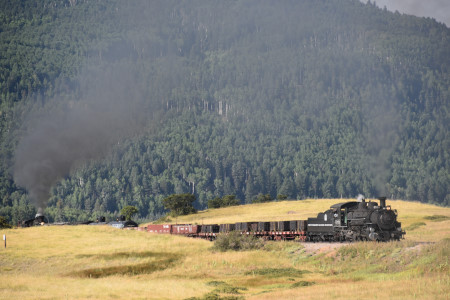
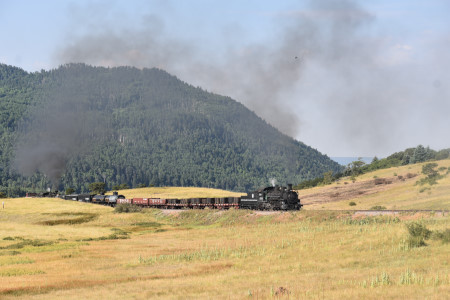
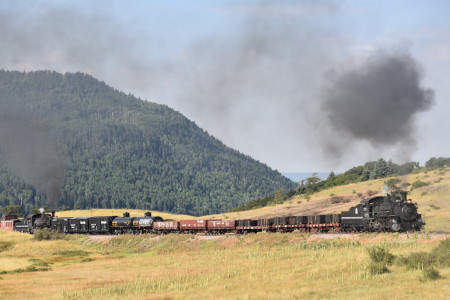
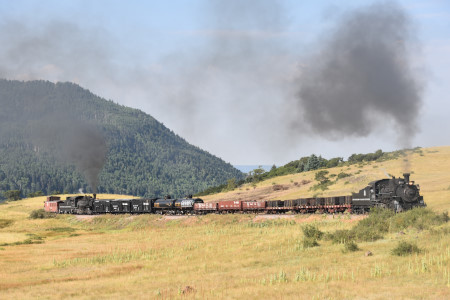
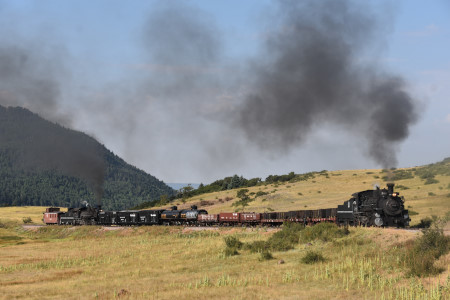
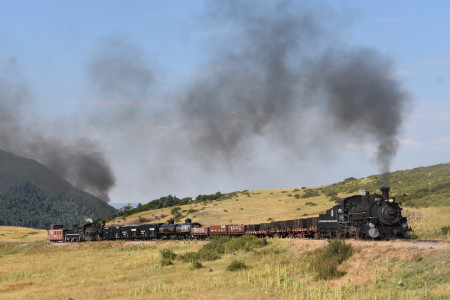
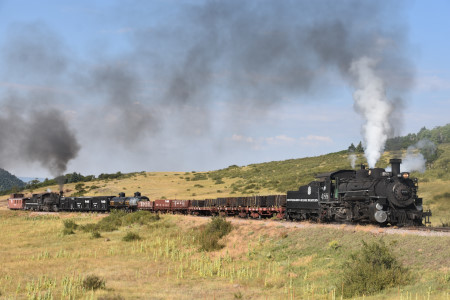
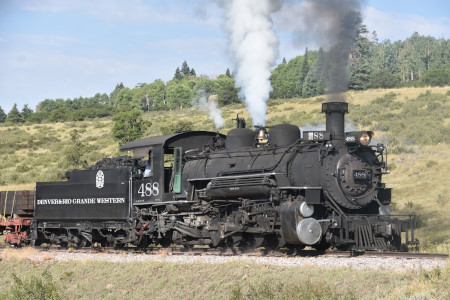
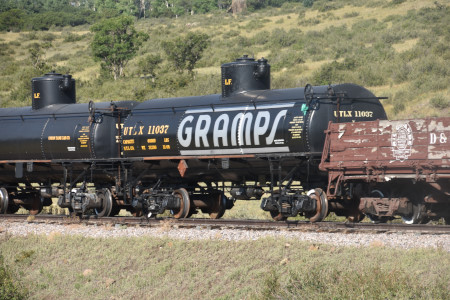
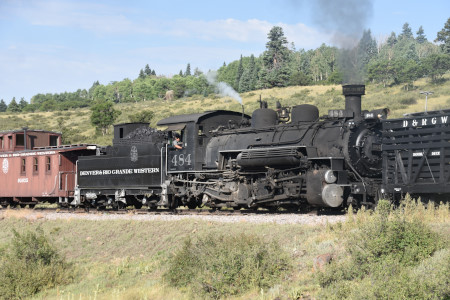
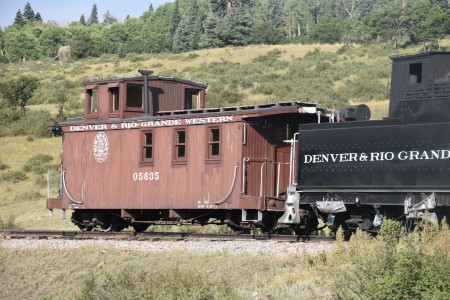
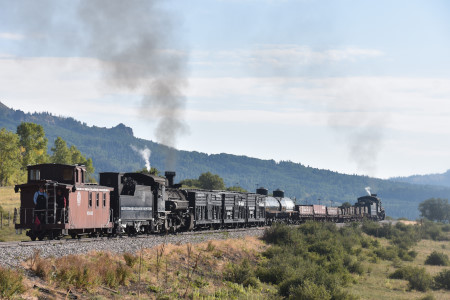
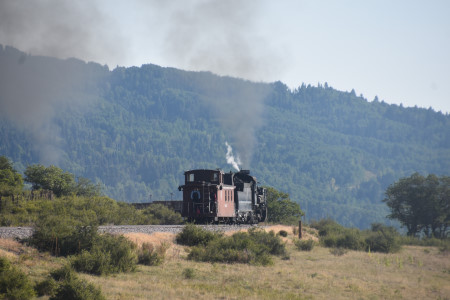
Photo runby three at the second crossing of New Mexico Highway 17, Milepost 339.8.
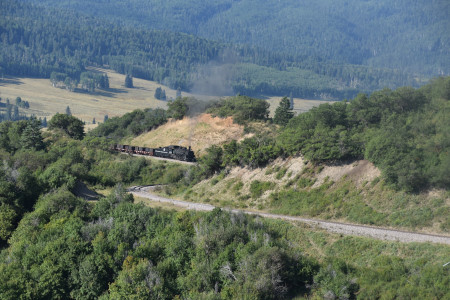
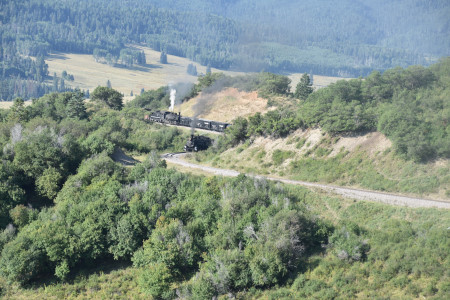
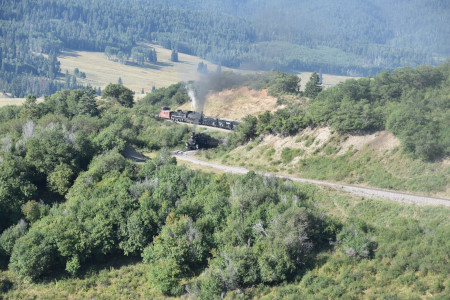
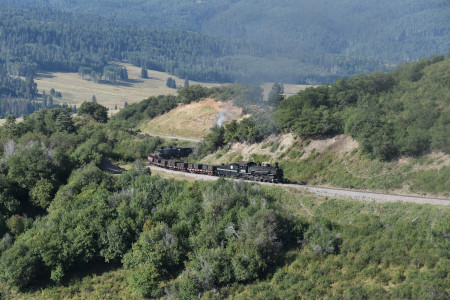
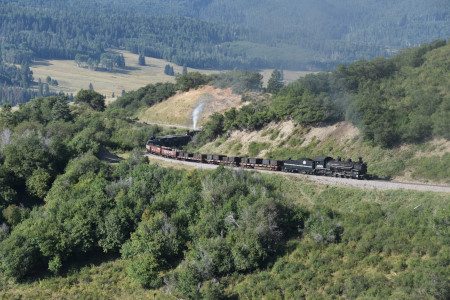
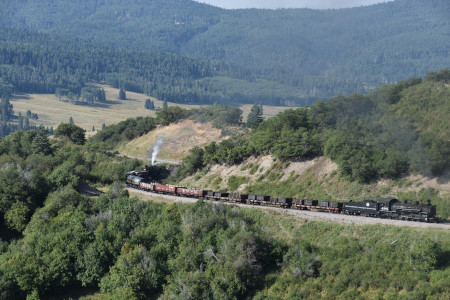
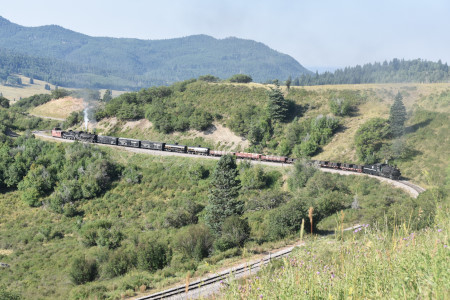
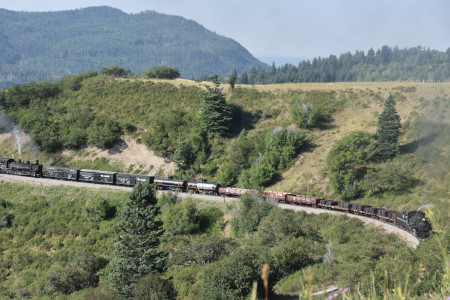
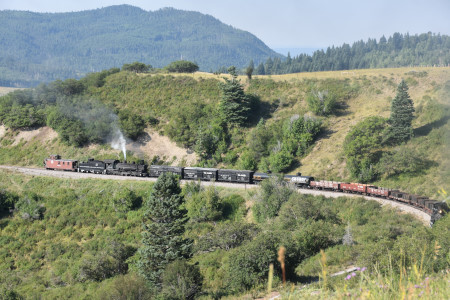
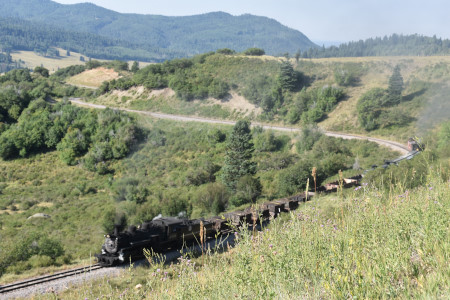
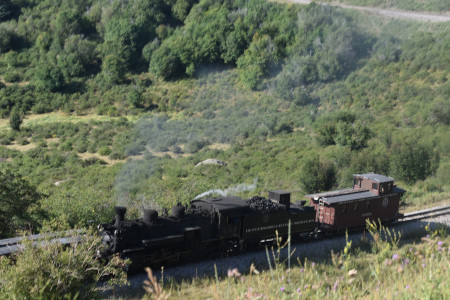
Photo runby four at the curve below Cresco, Milepost 337.0.
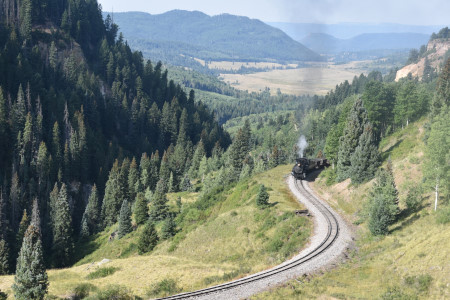
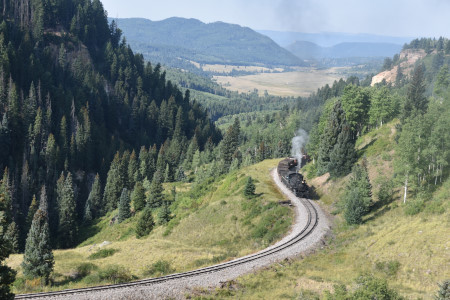
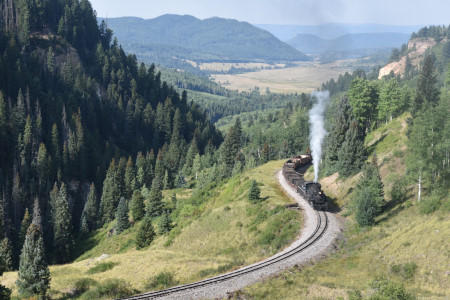
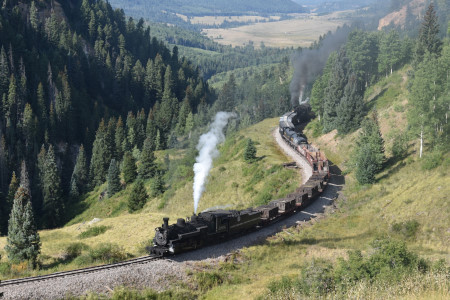
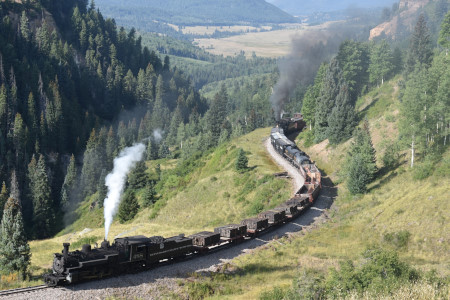
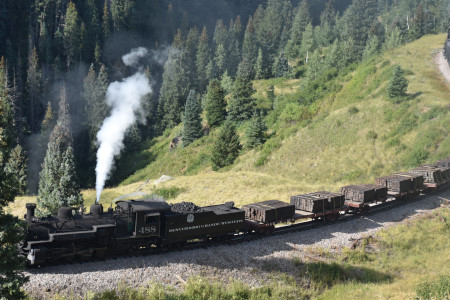
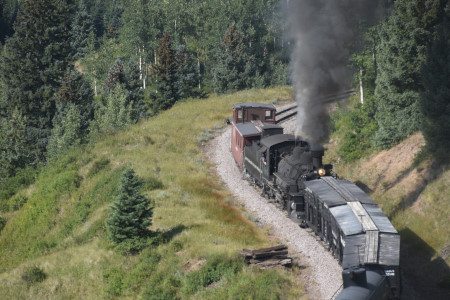
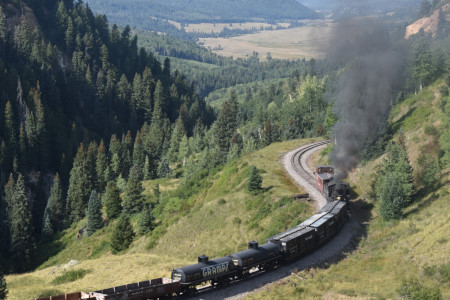
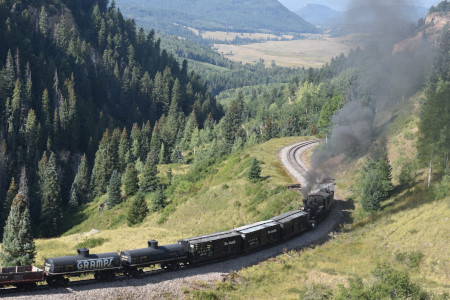
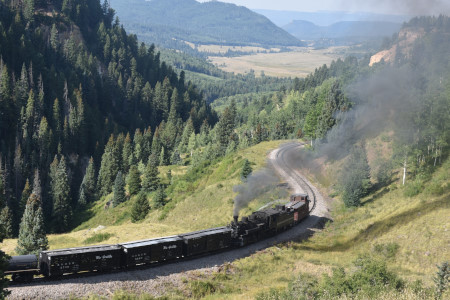
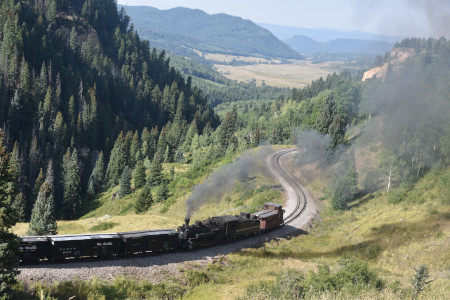
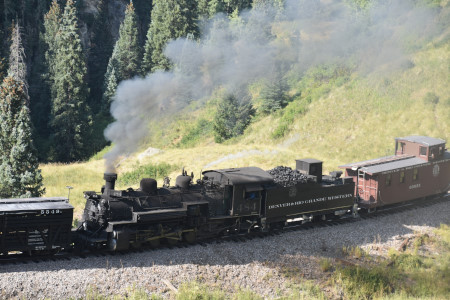
Pphoto runby five at Hamilton's Point, Milepost 334.5.
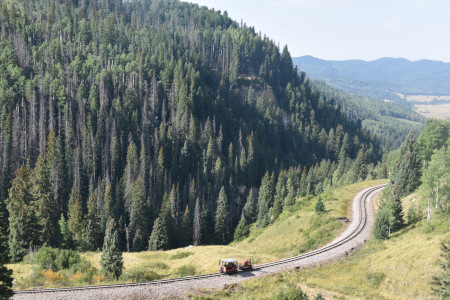
Fire speeder 101 following our train.
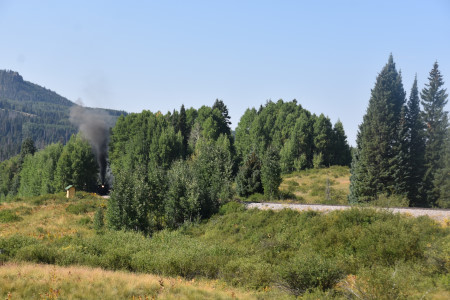
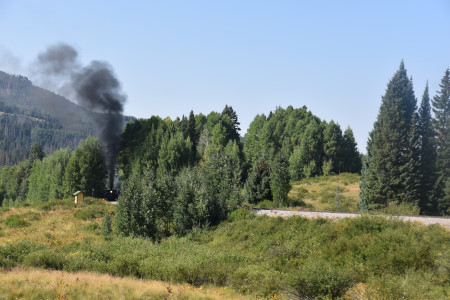
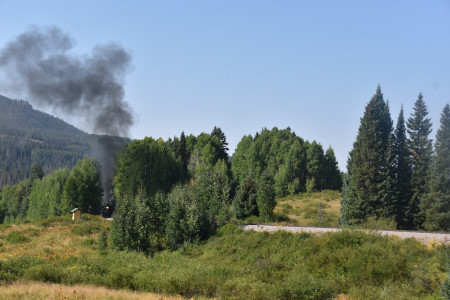
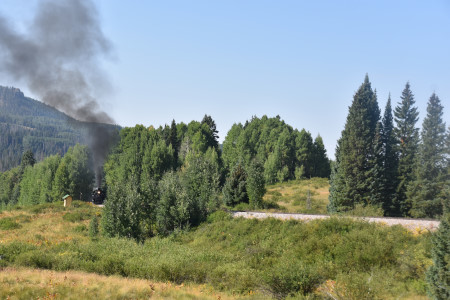
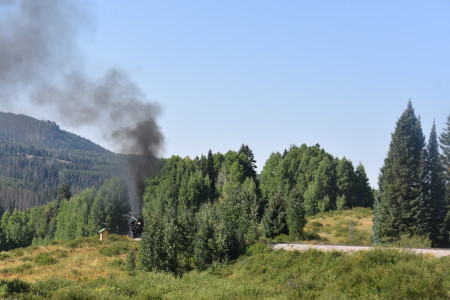
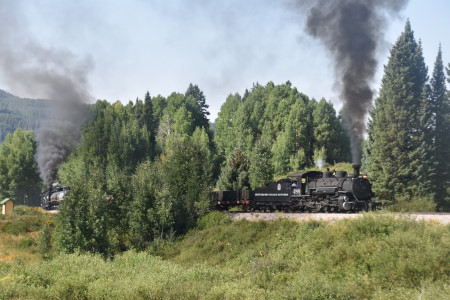
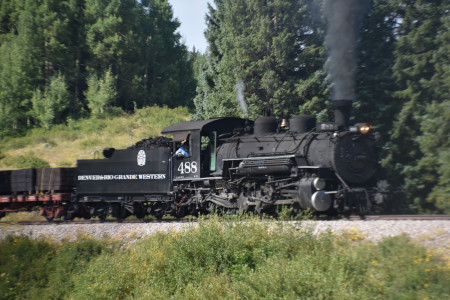
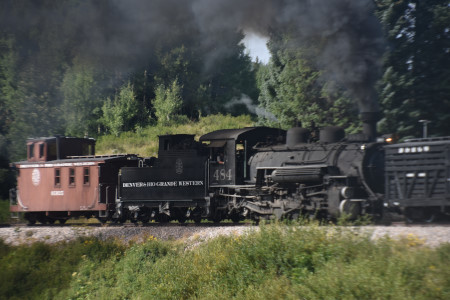
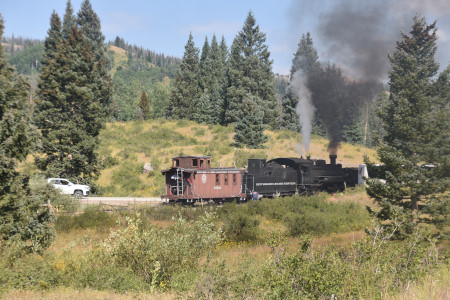
Photo runby six at the crossing of Colorado Highway 17, Milepost 323.75.
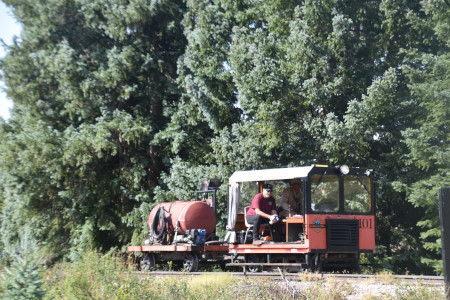
Fire Speeder 101. Back aboard the motor coach, our next stop was at Cumbres Pass.
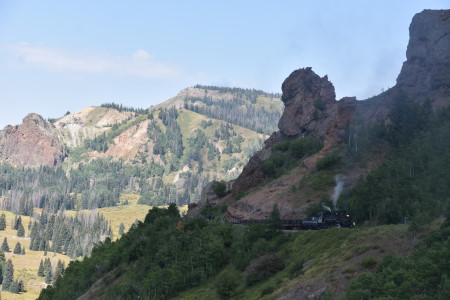
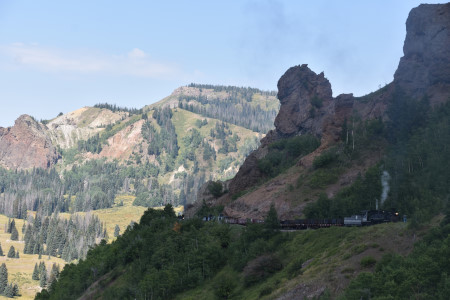
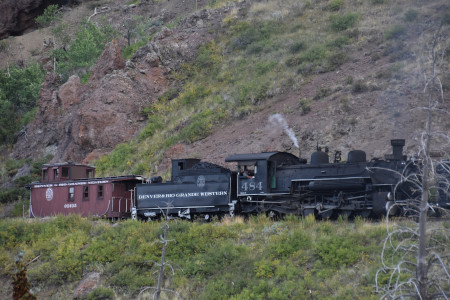
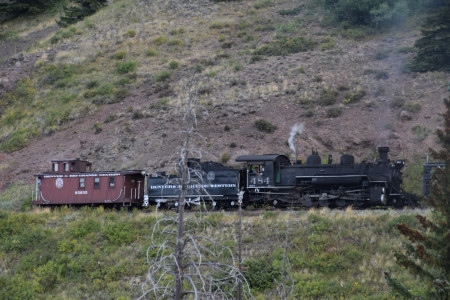
Photo runby seven as the train climbed Cumbres Pass.
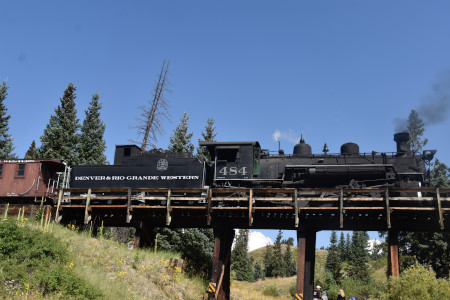
I walked back across the highway to photograph Cumbres and Toltec Scenic 484 on the bridge.
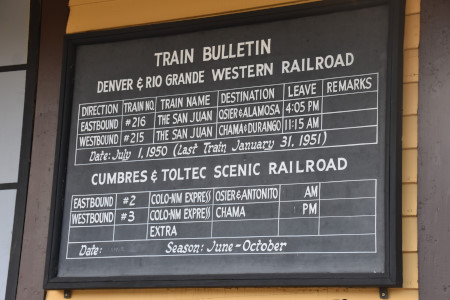
The train bulletin board at Cumbres Pass.
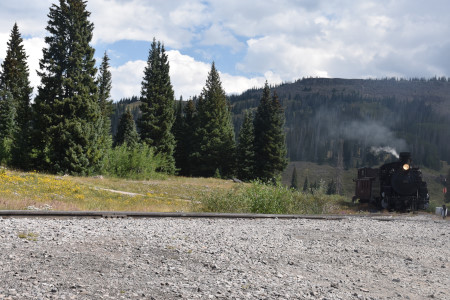
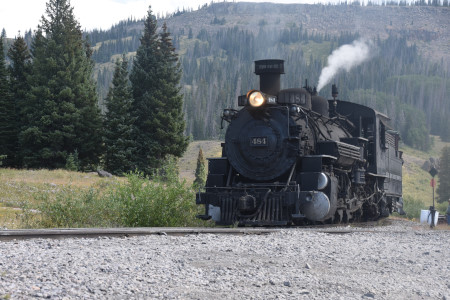
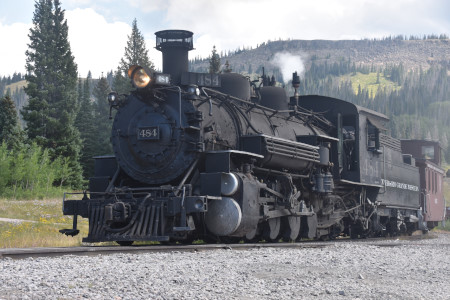
Denver and Rio Grande Western 484 came off the wye.
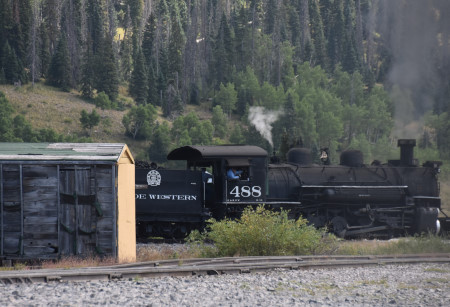
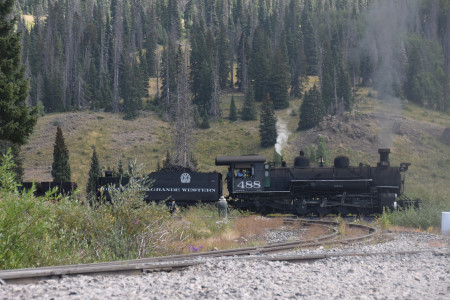
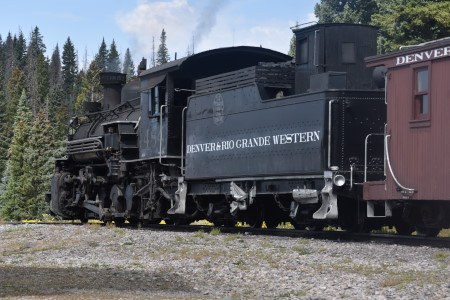
Denver and Rio Grande Western 488 and 484 on the wye.
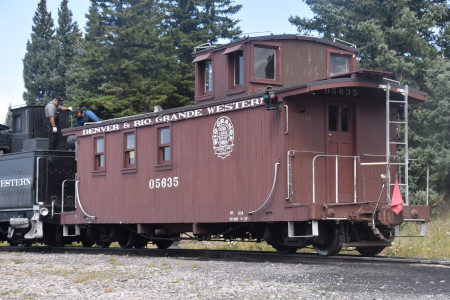
Denver and Rio Grande Western caboose 05635.
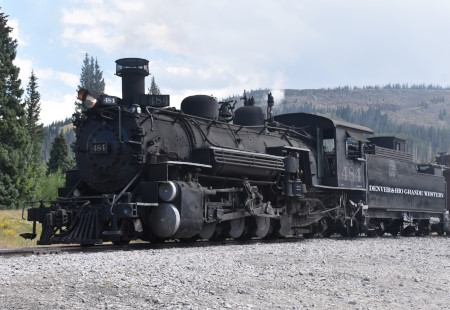
Denver and Rio Grande Western 484.
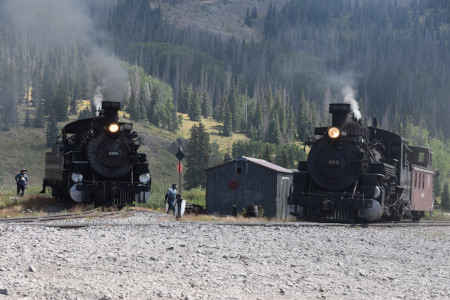
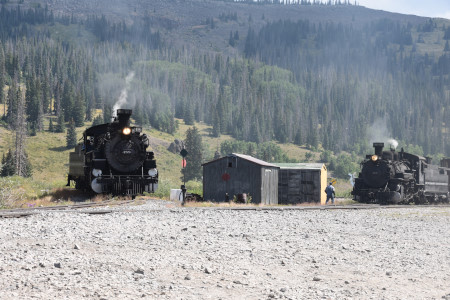
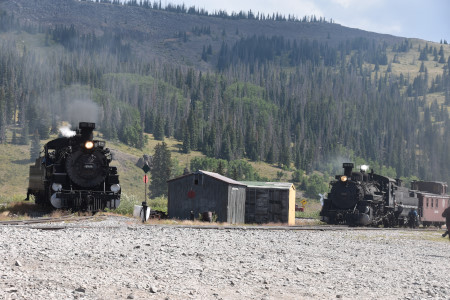
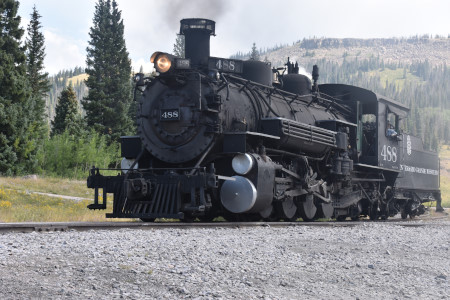
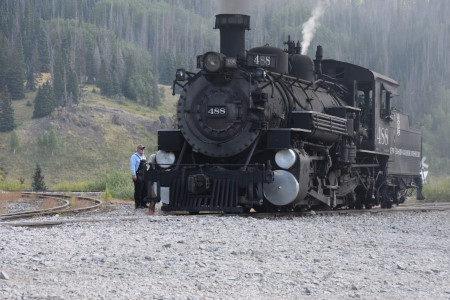
Denver and Rio Grande Western 488 came off the wye.
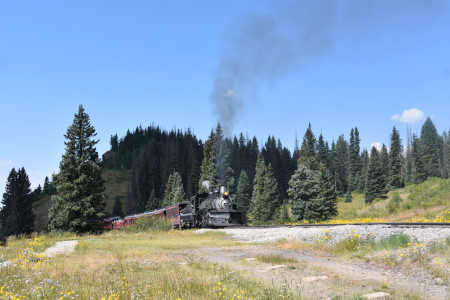
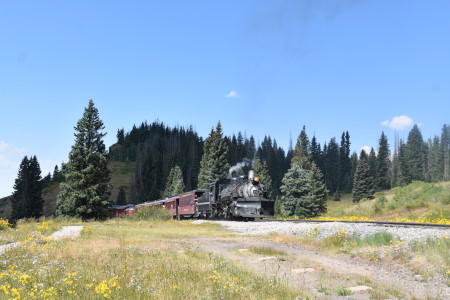
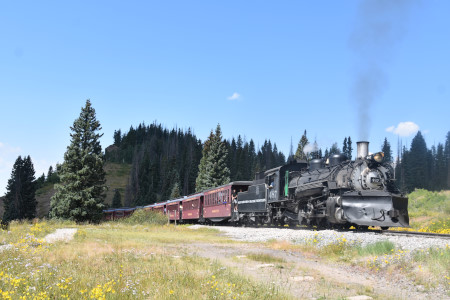
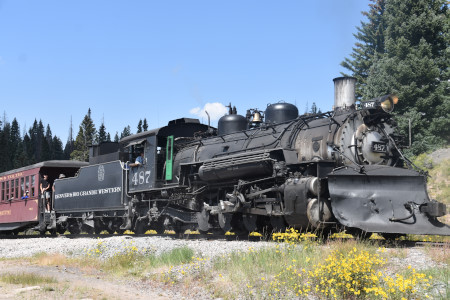
The regular train, led by Denver and Rio Grande Western-lettered 2-8-2 487 stopped at the Pass. That brought an end to the day's events and the motor coach returned us to Chama, where I drove back to the hotel for a rest. Later, I went to Subway for dinner and called it an early night.
| RETURN TO THE MAIN PAGE |