




Today was the longest, but featured two very unique and special tours that were arranged specifically for the convention. Because of the early start, a grab-and-go breakfast was set up by the Graduate Hotel, which was eaten on the bus.
Elizabeth and I were two of the six bus hosts and once our respective buses were full, we departed for the two-and-half hour drive to Elkhart, Indiana. Staggered arrivals gave buses two and three time to browse Birds Gotta Fly vintage store and Steelyard Coffee on the opposite side of the parking lot. I was on Bus 1 so my group took the tour first.
Adams and Westlake HistoryThe Adams and Westlake Company's origins go back more than one hundred and fifty years when the nation's pioneers were forging westward to the puff of the steam engine and the hum of the rails.
They helped light the way for those pioneers with its oil locomotive headlights, car lamps, lanterns and chandeliers, and switch lamps for the young and growing railroads. The company continued to concentrate on transportation equipment until the 1930's -- then moved into a diversification program which has made Adlake an important factor in other markets as well.
In 1933, Adlake developed a new electric relay and made its entry into the electrical and electronics field. The company now has the world's most complete selection of mercury displacement and mercury-wetted contact relays for a broad range of applications.
As Adlake expanded its line of transportation equipment, the company developed the first double-glazed breather-type window for railroad cars and later for buses and rapid transit. From this, it was a natural and successful path into the design and manufacture of quality aluminium and stainless steel windows, curtain walls and ornamental trim for commercial, educational, institutional and similar buildings.
Adams and Westlake operations embrace three main divisions -- Architectural Products, Relays and Transportation Sales -- plus a Special Products Department, which draws on the capabilities and facilities of all divisions for its its services to other to other manufacturers.
Other examples of rapid transit production by Adlake are 725 carsets of door locks and hardware for the New York City Transit Authority's subway cars and motorman's and conductor's widows for New York Port Authority Trans-Hudson cars, both in conjunction with St. Louis Car, a Division of General Steel Industries, Incorporated. Adams and Westlake is the midst of the newest developments in windows for transcontinental and suburban buses, such as windows in new Motor Coach Industries buses.
There are examples of Adlake's versatility in the equipment of every railroad in the country. This is particularly true of passenger car equipment. For instance, the company designed and built 864 reclining seats, windows, curtains, hardware and luggage racks for the Budd Company for the new Hi-level mainline cars of the Santa Fe. Burlington Northern and North Western double-deck commuter cars have Adlake windows, luggage racks, hardware, hardware and other equipment. New York Central, Rock Island and Milwaukee commuter cars also have many Adlake items.
Electromotive, General Electric and Alco diesel locomotives use Adlake products. So do the cabooses of most railroads. A top mining-country railroad, The Duluth, Missabe and Iron Range, had more than 800 of another Adlake product, photoelectric-controlled switch lamps.
The company's design leadership in rapid transit equipment is shown in the 180 new Chicago Transit Authority air-conditioned cars. Working in close cooperation with Pullman-Standard, Incorporated and the CTA, Adlake designed and built new aluminium light housings and assemblies, fiber glass sandbox, conductor's and motorman's equipment and hardware.
Adams and Westlake operations cover 10 acres of buildings in Elkhart, including 311,033 square feet of manufacturing floor space, plus extensive engineering and experimental facilities. The company's engineering, technical and production staff are proficient in design and construction with a wide range of materials -- including aluminium, stainless steel, brass, copper and other metals, fiber glass, rubber, cloth and glass.
The company's technical and production people are equally adept at finding the best manufacturing methods for any given products and material -- and have an unusually broad range of facilities with which to work. They have years of experience in fabricating, finishing and assembling in such varied operations as extruding, casting, cutting, drawing, punching, drilling, milling, bending, shaping, welding, brazing, grinding, polishing and finishing (including anodizing).
One can find Adlake and Westlake windows and curtain walls on the finest examples of modern architecture in this nation including Chicago, Detroit, New York City, Jacksonville, Indianapolis, Rochester and Syracuse.
The above taken from 1960's era company albums handed around to conventioneers before the tours commenced.
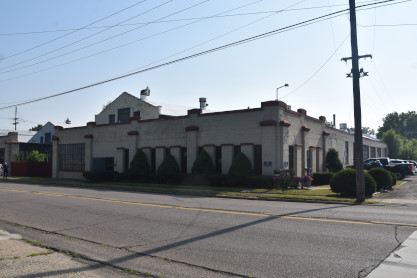
The Adams and Westlake Company's building.
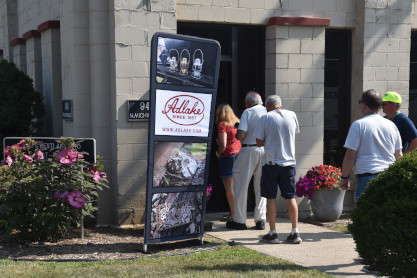
NRHS members on my tour entering the factory. Adlake President Mike Rzeszutko and Jon Hershberger were the guides for three groups.
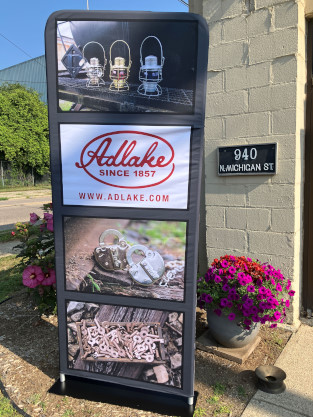
The Adams and Westlake Company sign in front of the building.
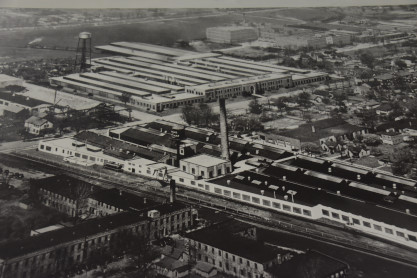
An aerial picture of the factory.
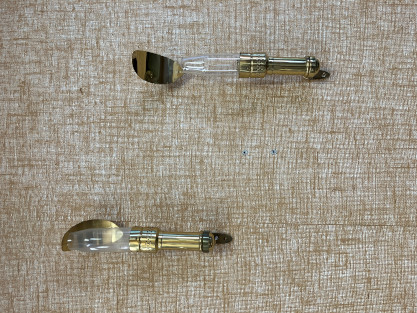
Two vintage lighting fixtures in the office area.
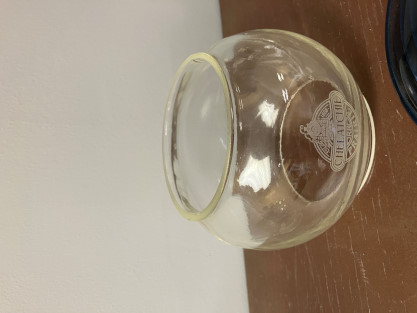
Chelatchie Prairie Railroad glass bowl.
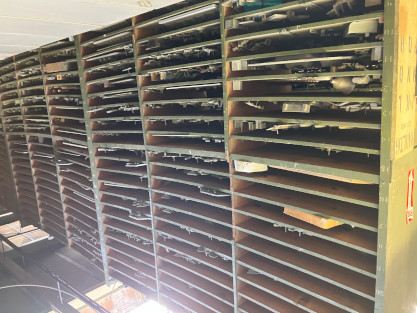
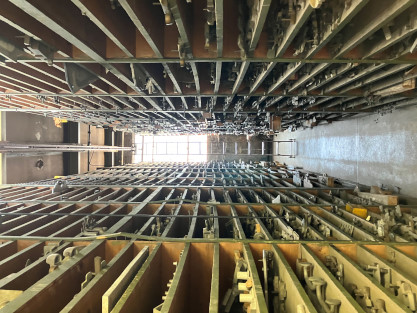
Shelves full of patterns, mostly older parts, used in the foundry.
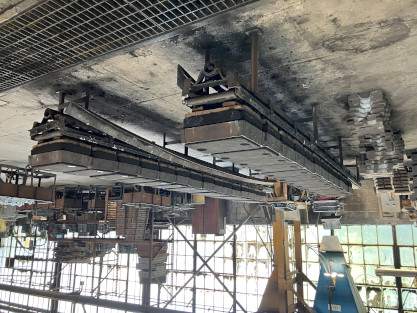
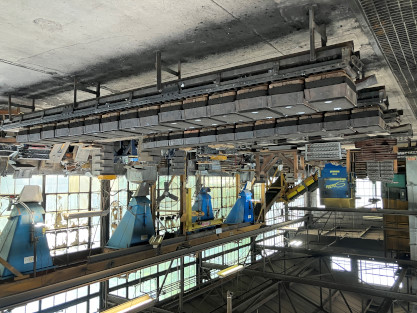
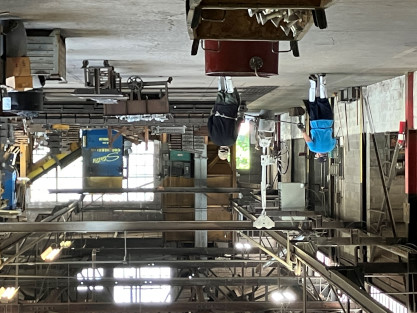
Upon entering the factory area, we first encountered molds, which today were being made into handles. Information courtesy Mike Rzeszutko, Adlake President.
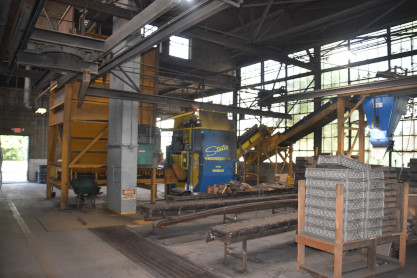
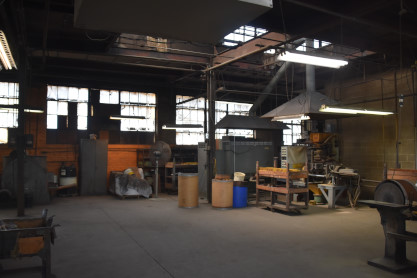
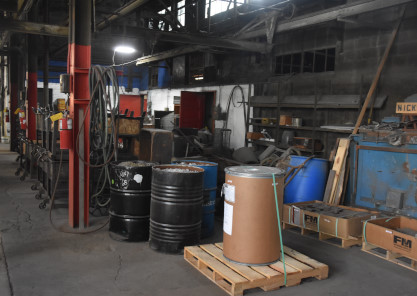
Factory scenes.
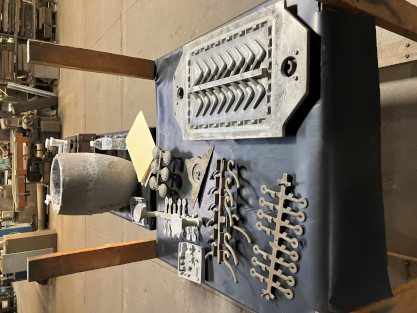
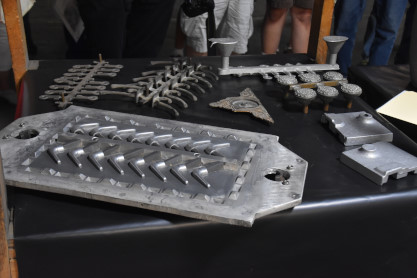
Some patterns: the large "plate" is for small handles. The upper left is switch keys, the middle is a coat hook pattern, the upper right is more switch keys, middle right is an ornate historic door knob, and middle of the table is an ornate door knob plate. On the lower right are two cast lock cases. Information courtesy Mike Rzeszutko, Adlake President.
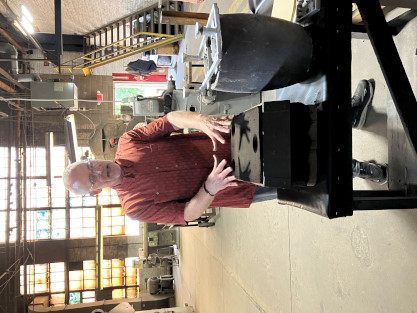
Mr. Rzeszutko explaining the mold process.
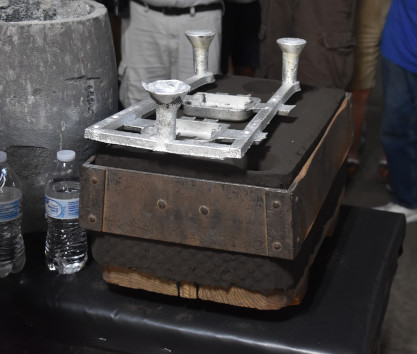
To show the process, this mold was upside down. However, it would normally be placed on top of the black pads and the molten liquid poured inside.
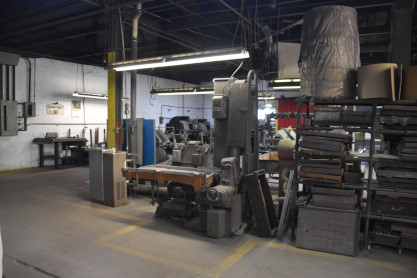
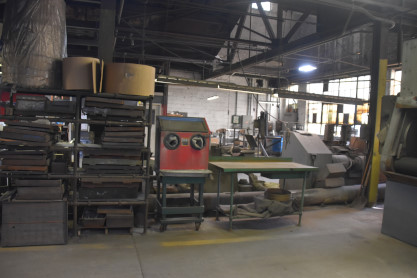
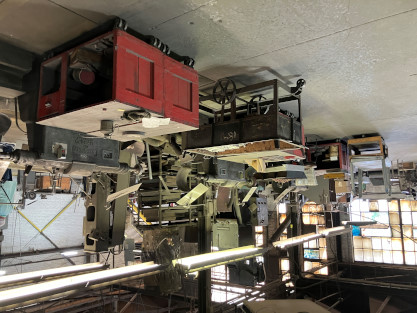
The back of the polishing machine; there are polishing wheels on the other side.
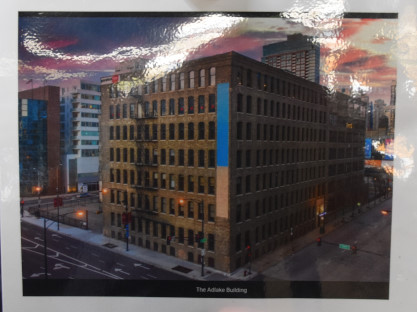
A photograph of the original Adlake Building at 320 West Ohio Street, built in 1872. It became a converted timber-loft office building offering modern space with stunning city views in the heart of Chicago's bustling River North district. This seven-story, 242,583-square-foot building boasts efficient layouts accentuated by high ceilings with exposed beams and sleek finishes encased in a classic brick façade. Suite availabilities include unique, move-in-ready loft-office space and larger floor plates for tenant customization. Tenants enjoy abundant natural lighting, 24/7 access, and dedicated on-site property management. River North is a cutting-edge design district, home to several restaurants, art galleries, entertainment and a strong residential presence, making it the epitome of a live/work/play community. The award-winning Chicago River Walk offers excellent dining options and scenic river tours within minutes of the property. The Adlake Building has incredible accessibility to public transportation routes and main area thoroughfares. Situated at the Ohio Street Feeder Ramp, the office has immediate access to Interstate 90, providing seamless connections to Interstates 55 and 290. The Chicago Midway and Chicago O'Hare International Airports are less than 30 minutes away, ideal for out-of-town travel.
For a detailed history on this building, visit Chicagology Adams and Westlake
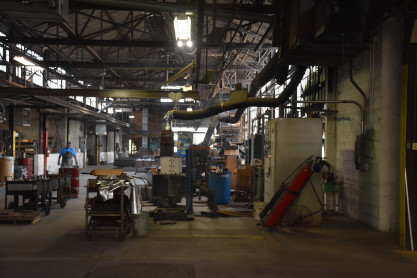
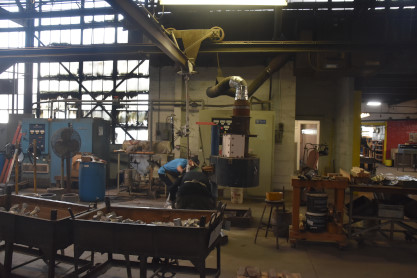
Employees preparing to move the melted aluminium once the temperature had reached the necessary mark.
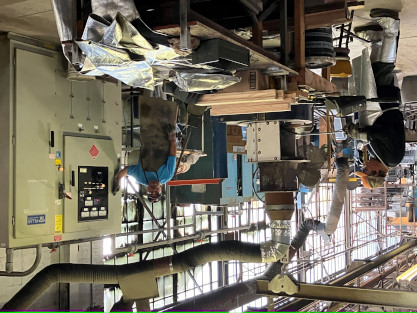
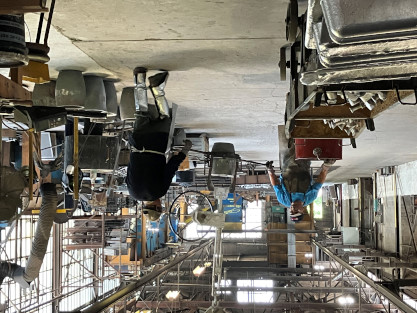
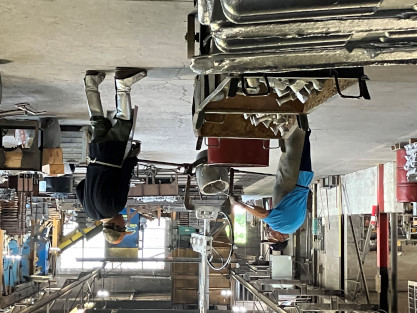
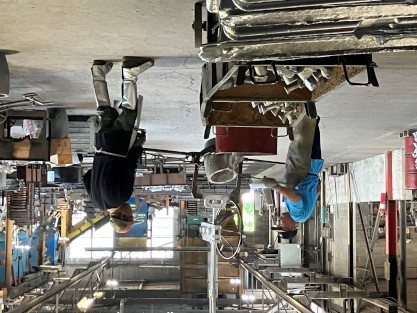
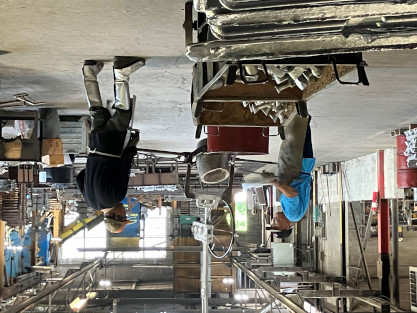
Pouring out the impurities of the molten aluminium.
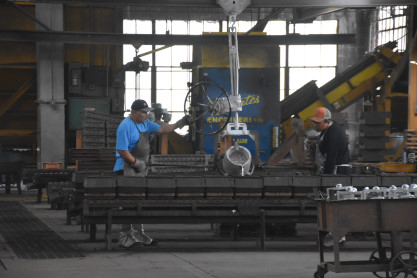
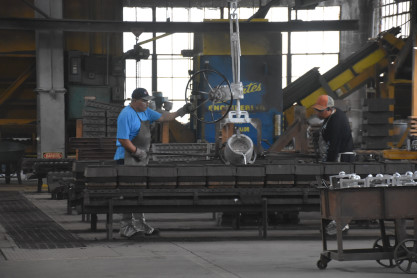
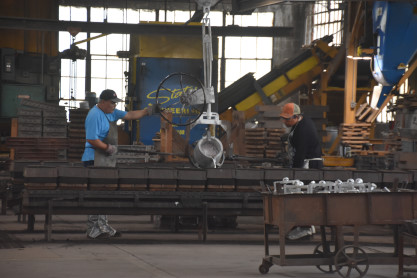
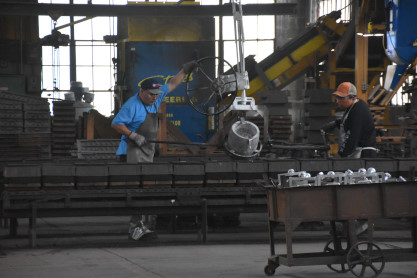
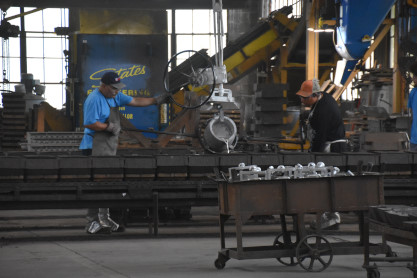
The molten aluminium was transported and carefully poured into the holes in each pattern of the molds. Information courtesy Mike Rzeszutko, Adlake President. This was as close as the groups were allowed to be.
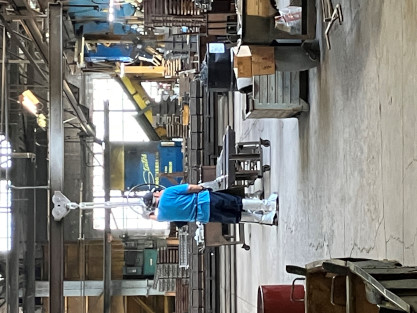
Finishing pouring the mold.
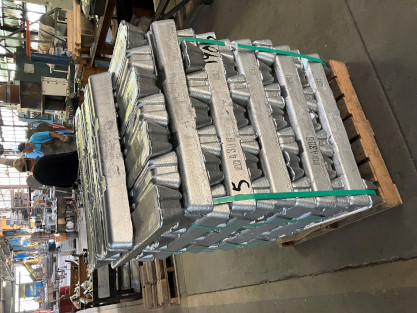
Aluminium ingots which are also melted down.
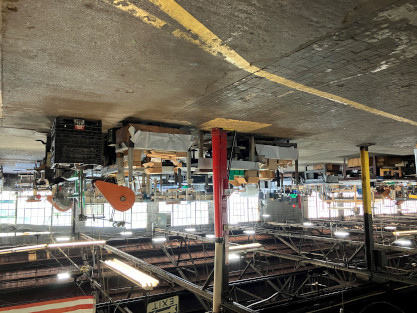
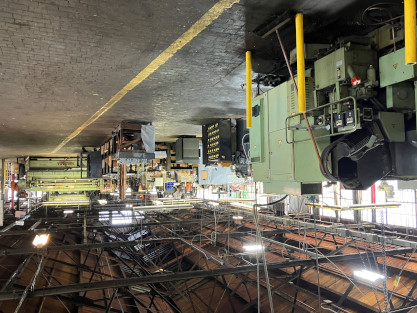
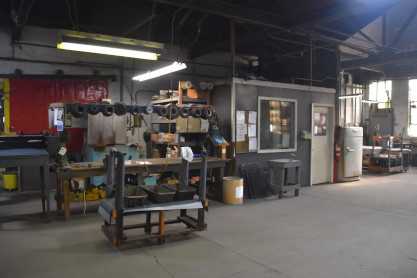
Factory scenes.
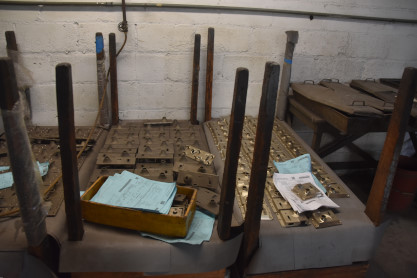
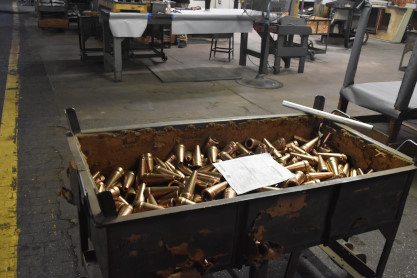
Brass hose nozzles for a non-railway customer. Information courtesy Mike Rzeszutko, Adlake President.
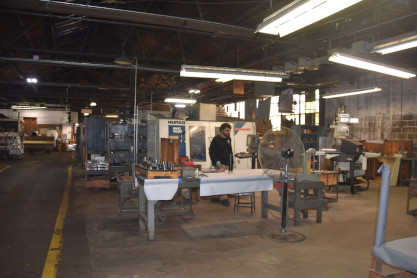
An employee at work.
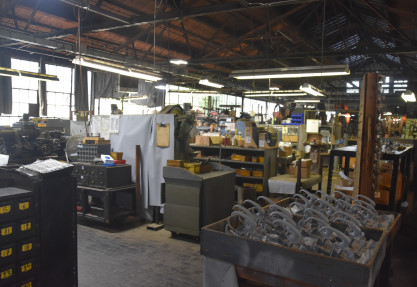
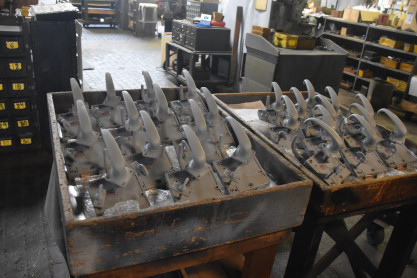
Door handles.
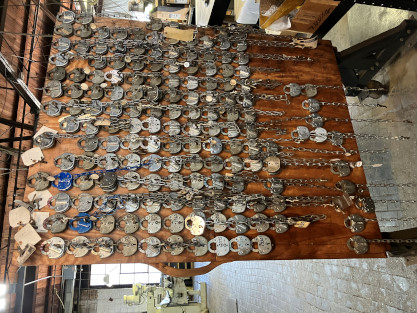
Switch locks.
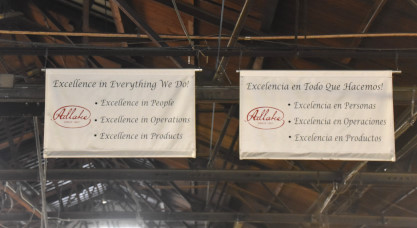
Adlake proclaims Excellence in Everything We Do - People, Operations and Products. This sign is both in English and in Spanish.
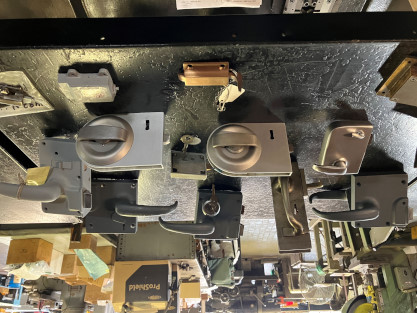
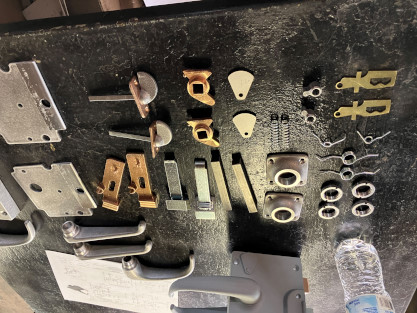
Parts of door handles. Elizabeth and I were probably not the only people who had no idea so many components went into a door handle, and now look upon them differently.
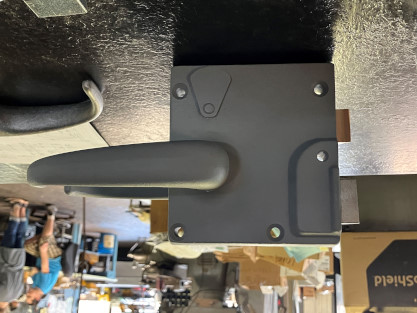
Door handles.
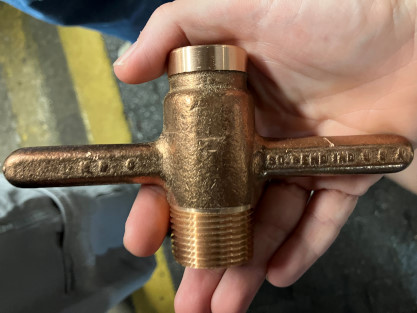
A brass coupling for a non-railway customer. Information courtesy Mike Rzeszutko, Adlake President.
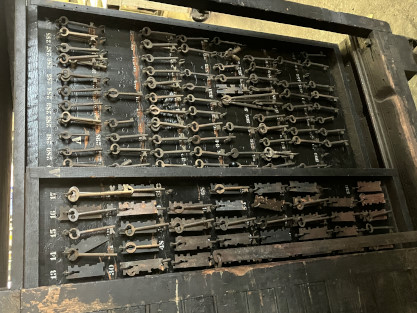
Switch keys.
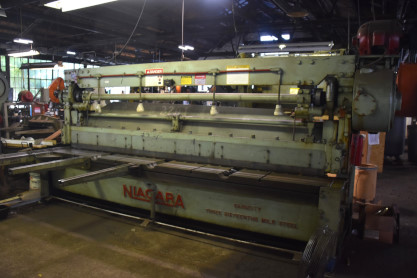
Steel cutting machine.
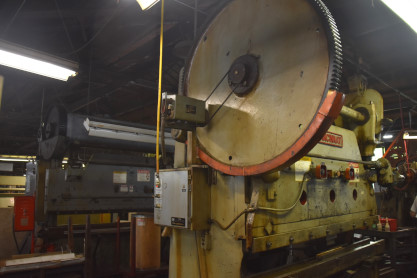
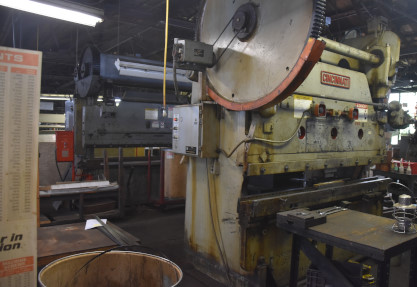
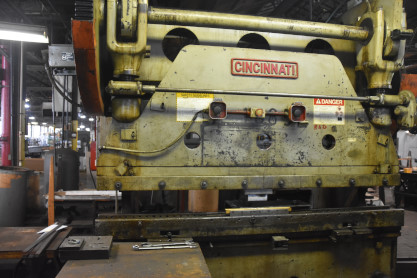
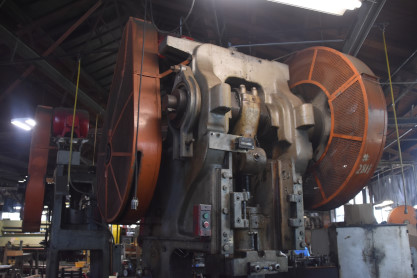
A press that bends metal, such as making a bracket with a right angle. Information courtesy Mike Rzeszutko, Adlake President.
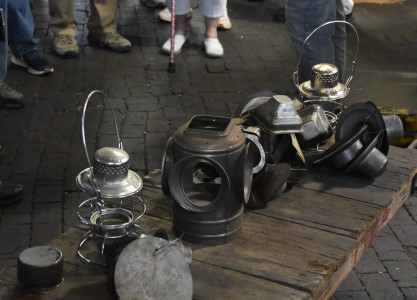
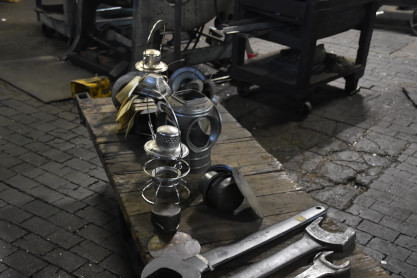
Marker light and lanterns.
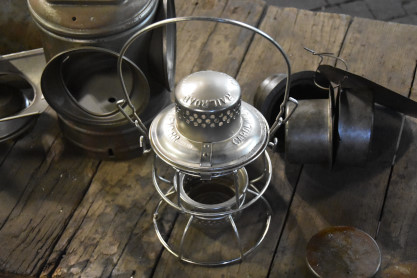
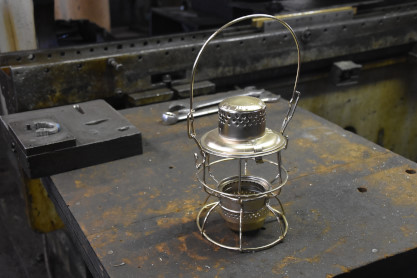
An Adlake lantern. Owning a couple of railroad lanterns myself, and having seen them at railway memorabilia shows, brought the whole experience and seeing the machines that make them, full circle.
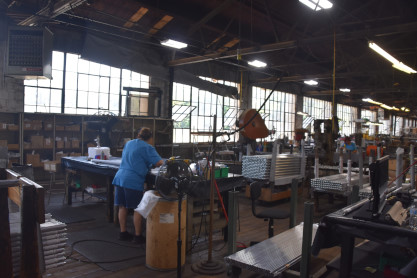
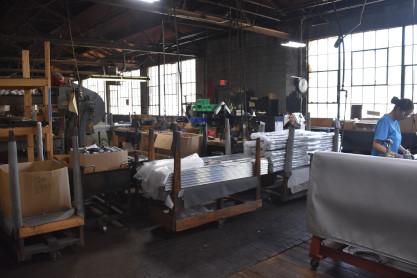
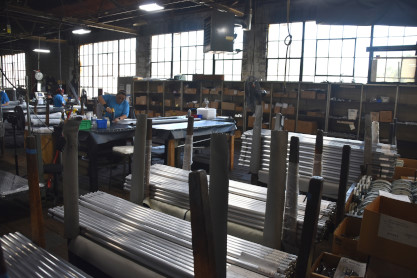
Actively working on window shades.
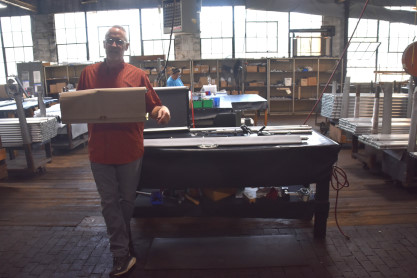
The company president explaining about the blind and window shade-making procedure.
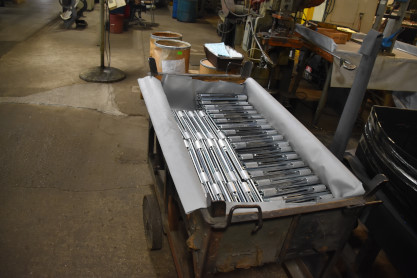
The ends, called sleeves, for the longer blind rollers the company makes. Information courtesy Mike Rzeszutko, Adlake President.
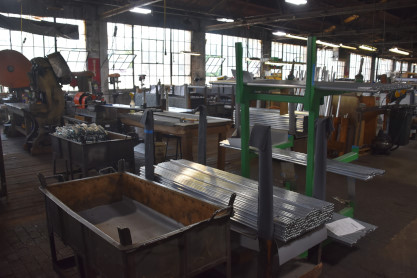
Full size rollers for the blinds.
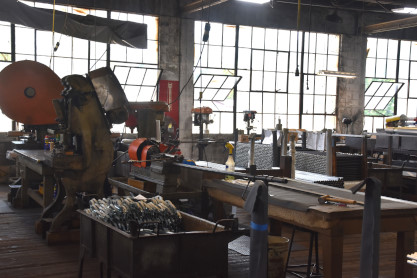
Part of the blind and shade construction area with a large supply of vestibule curtain handles in front.
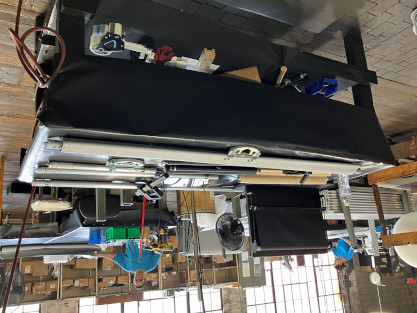
The components of vestibule curtains. With that, the tour which I was part of was complete and upon returning to the office area, every delegate was presented with a switch key stamped with NRHS 2025. This was most unexpected and a very nice surprise and gesture on Adlake's part. Back on the bus, we were taken to the National New York Central Museum for the second of three events today.
| RETURN TO THE MAIN PAGE |