




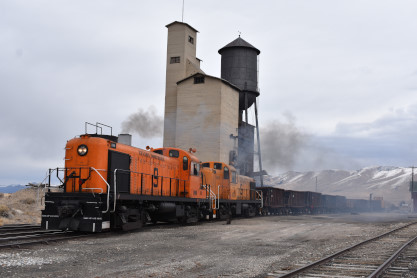
The Nevada Northern owes its beginnings to the discovery and development of large porphyry copper deposits near Ely early in the 20th century. Two of the region's largest mines (including the Robinson Mine) were purchased in 1902 by Mark Requa, president of the Eureka & Palisade Railroad in central Nevada. Requa then organized the White Pine Copper Company to develop his new properties, and it soon became evident that rail access to the isolated region would be essential to fully exploit the potential of the mines. Originally plans called for extending the narrow-gauge Eureka and Palisade Railroad, which Requa was president of, effectively doubling the length of that line. Subsequent surveys indicated that a standard gauge railroad would be the most cost effective and that the most practical route for such a railroad was northward from Ely, connecting with the Southern Pacific somewhere in the vicinity of Wells.
The Ely-area copper properties were further merged in 1904, forming the Nevada Consolidated Copper Company, and the Nevada Northern Railway was incorporated on June 1, 1905, to build a line connecting the Nevada Consolidated mines and smelter to the national rail network. The task of building the new railroad was contracted to the Utah Construction Company, which began work on September 11, 1905. Construction began at Cobre, where the Nevada Northern connected with the Southern Pacific and proceeded southward. The line was finished a year later, its completion marked by a two-day celebration in Ely. The railroad's symbolic final spike—made of local copper—was driven by Requa in Ely on September 29, 1906, which was designated as Railroad Day. To celebrate the new railway, a ball was held inside the Northern building, which was still under construction at the time.
Additional Ely-area trackage was constructed in 1907–1908 to serve the local mining industry. This trackage, known as the "Ore Line", included a route bypassing Ely to the north and continuing west up Robinson Canyon to the copper mines at Ruth. East of Ely, the Ore Line project saw the construction of the "Hiline", a branch leading to Nevada Consolidated's new copper smelter and concentrator at McGill. The Ore Line immediately became the busiest segment of the Nevada Northern by far, hosting dozens of loaded and empty ore trains daily.
As a subsidiary of Nevada Consolidated, the primary purpose of the Nevada Northern throughout its history was the haulage of copper ores and products. Other freight traffic was also carried, and the railroad operated the daily Steptoe Flyer passenger train between East Ely and Cobre until July 31, 1941, when it was replaced by bus service. Local trains were also operated from Ely to Ruth and McGill for the benefit of mine employees and others until the 1930's, and special school trains carried students to White Pine High School in central Ely.
A series of corporate financial transactions in the 1920's and 1930's brought Nevada Consolidated under the control of the Kennecott Copper Corporation and Nevada Consolidated was merged into Kennecott in 1942. The Nevada Northern thus became a Kennecott subsidiary. Faced with declining ore reserves and low copper prices, Kennecott closed its Ruth-area mines in May 1978, thus ending the ore trains between Ruth and the McGill smelter. The smelter closed on June 20, 1983 and the Nevada Northern suspended all operations immediately thereafter.
Citizens of the town concerned with the economic impacts of the loss of mining and the railroad approached Kennecott with the intent to acquire the railroad and open it as a tourist operation. Though a series of donations, the Nevada Northern Railway Museum was formed and is situated at the East Ely Yards. The site is listed on the United States National Register of Historic Places as the Nevada Northern Railway East Ely Yards and Shops. The rail yards were designated a National Historic Landmark District on September 27, 2006 and was cited as one of the best-preserved early 20th-century railroad yards in the nation, and a key component in the growth of the region's copper mining industry. The property came complete with all of the company records of the Nevada Northern from its inception.
The EventThe participants in this year's Winter Photo Shoot assembled at the Depot at 1:00. Mark Bassett, the President of the Nevada Northern, introduced himself and the crew and discussed safety, the weekend's activities and the do's and don'ts. Steve Crise, who was leading the night photo session for the last time, then spoke about that event, and urged those joining the night photo session to become familiar with the manual settings on their cameras. During his talk, Steve introduced the two people who were going to be taking over in the future, Ben and Jen. With that, everyone walked over to the coaling tower for the first set of runbys. There would be two runbys in each location throughout the weekend, unless otherwise requested.
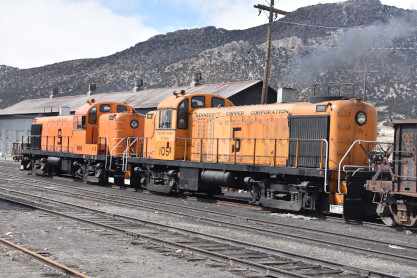
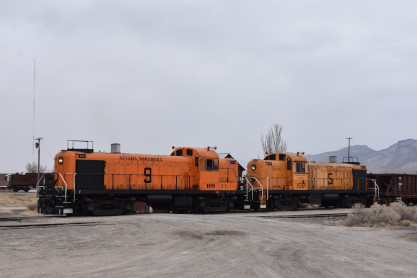
Nevada Northern RS-3 109 and RS-2 105 on the point of the ore train before it reversed down the yard. Hearing them chugging as Alcos do was music to my ears.
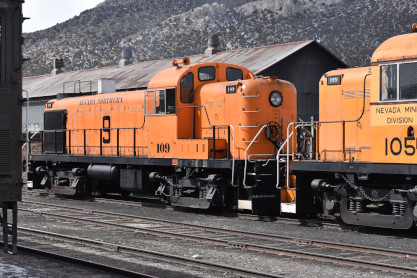
Nevada Northern RS-3 109 built by American Locomotive Company in 1950.
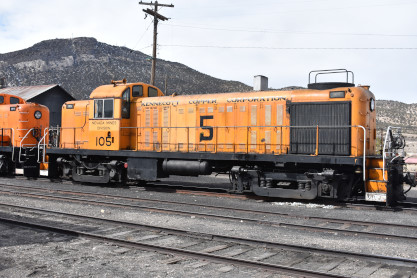
Nevada Northern RS-2 105 built by American Locomotive Company in 1945.
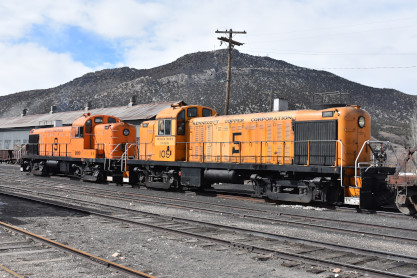
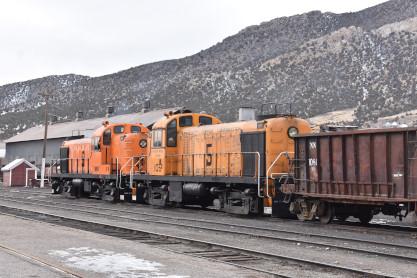
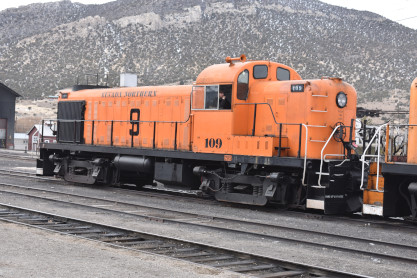
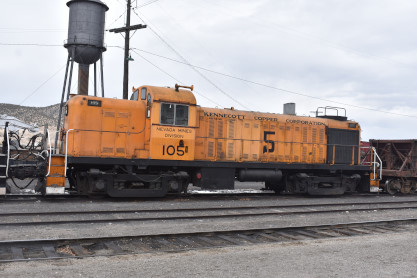
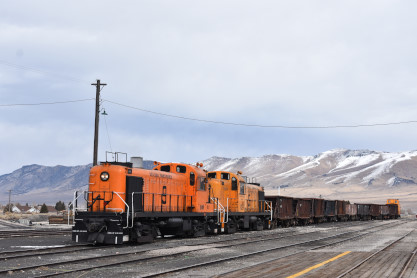
The ore train reversed past the station and switched tracks to be ready for the first photo runby.
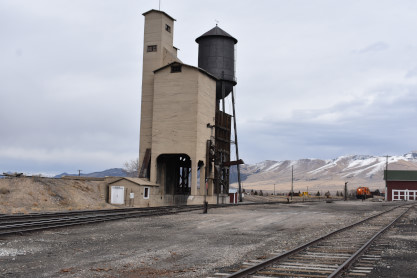
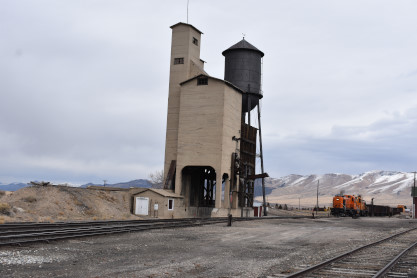
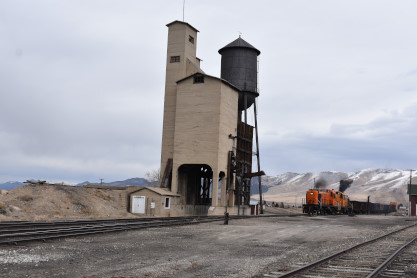
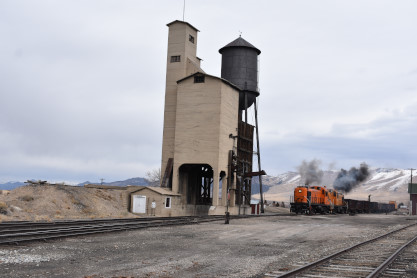
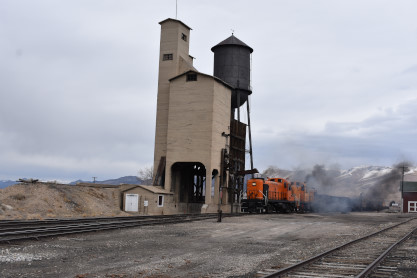
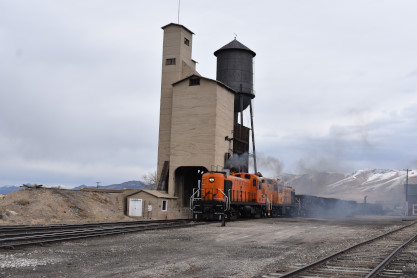
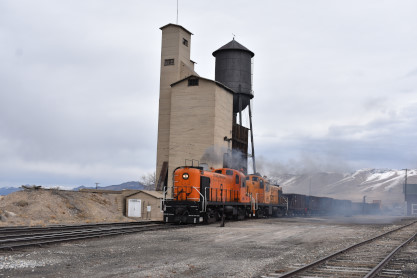
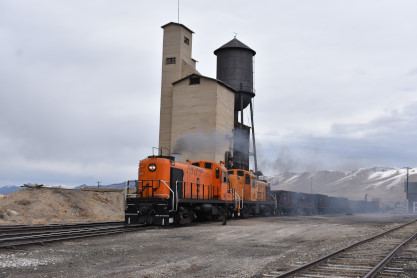
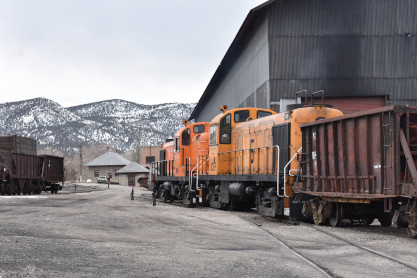
Photo runby one at the coaling tower.
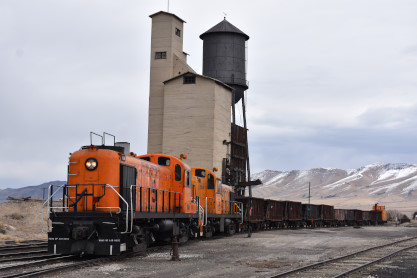
Reverse move for the second runby.
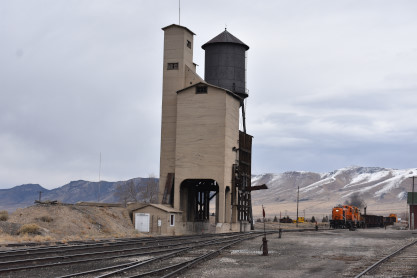
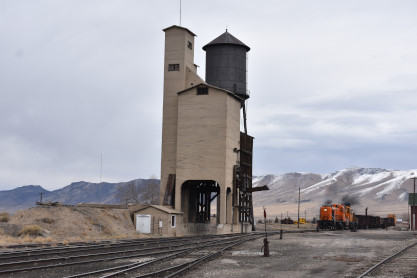
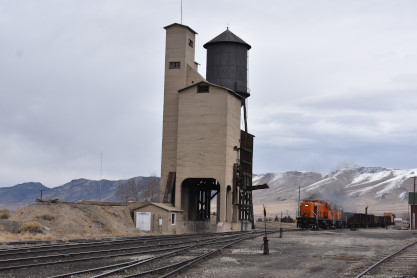
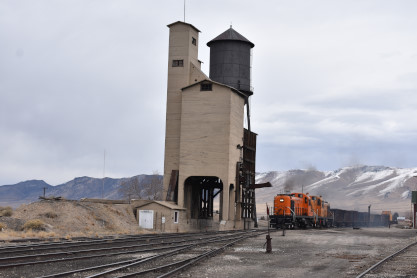
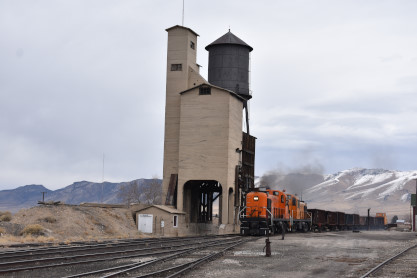
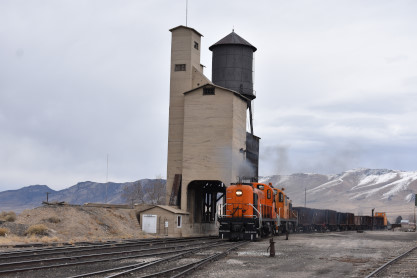
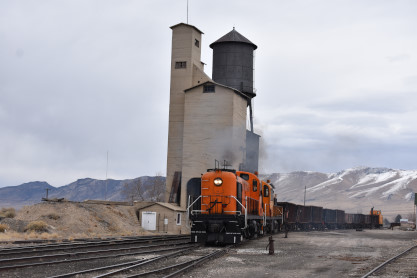
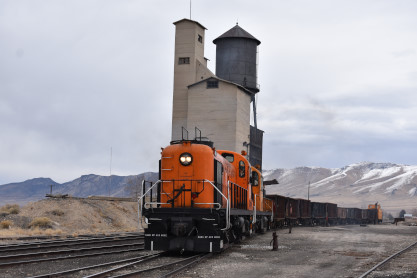
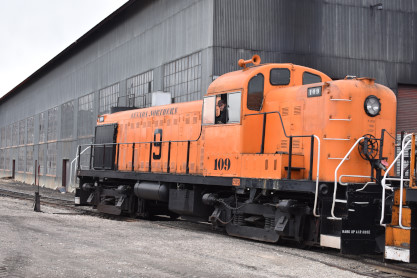
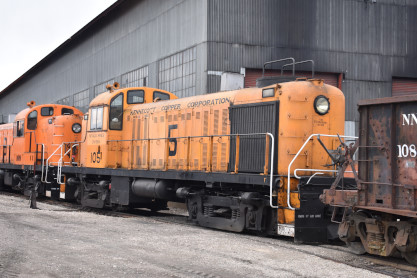
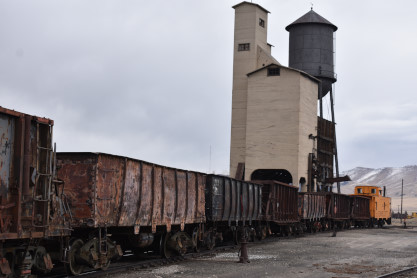
Photo runby two at the coaling tower. Everyone relocated for the next round.
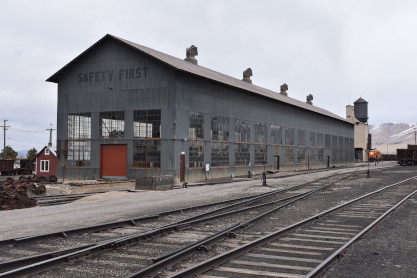
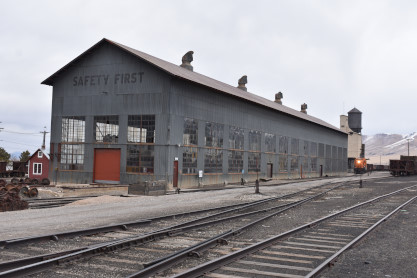
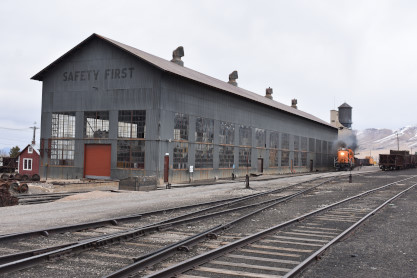
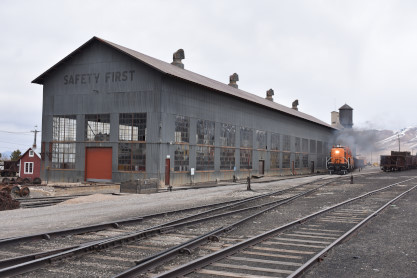
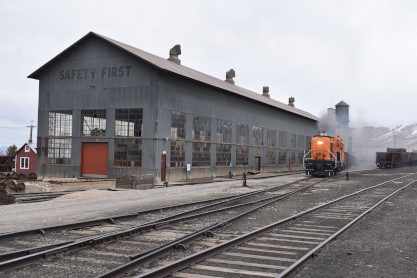
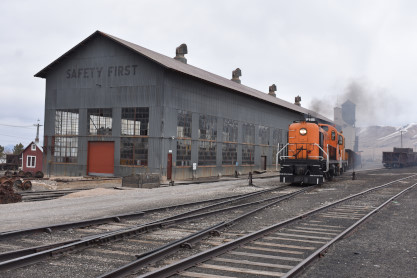
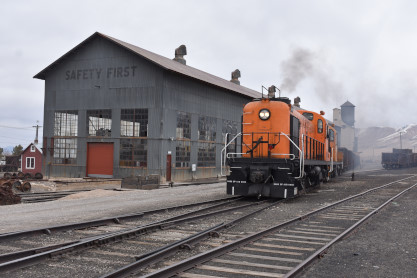
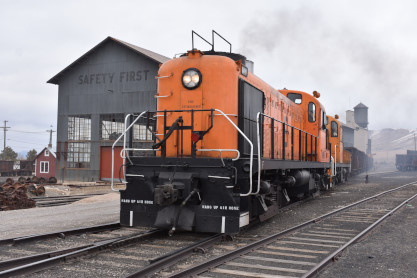
Photo runby three beside the car shop.
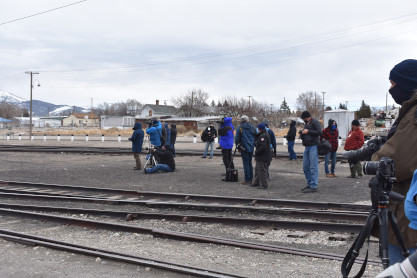
Part of the photo line. I moved across the tracks for the fourth runby.
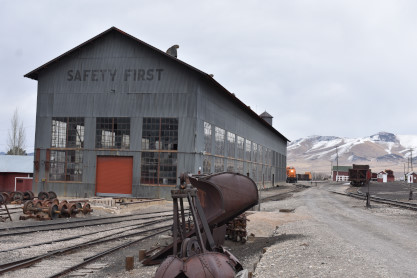
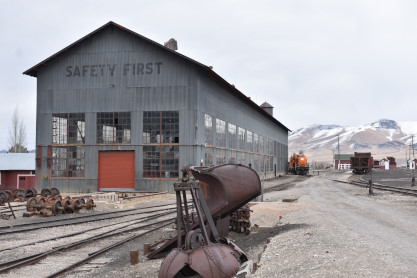
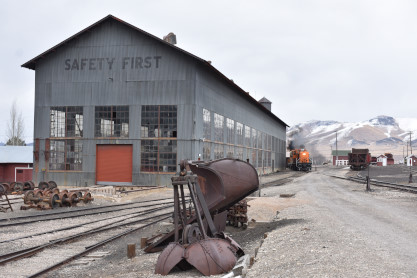
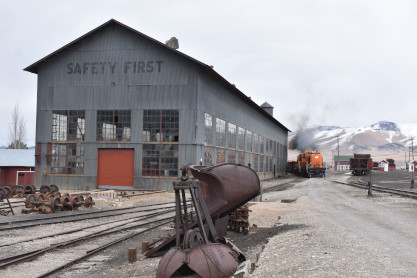
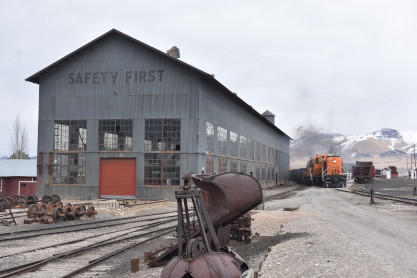
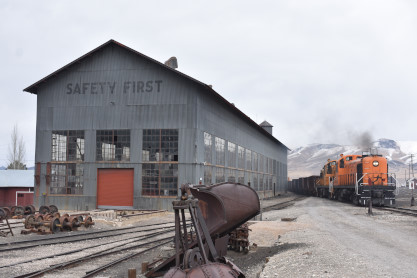
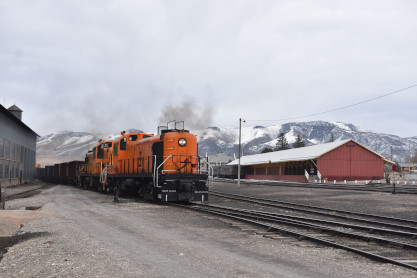
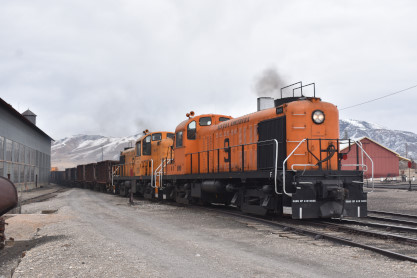
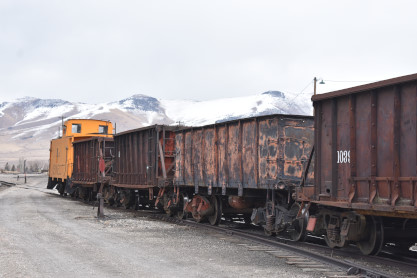
Photo runby four beside the car shop.
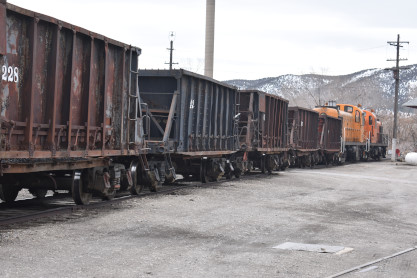
The ore train reversing past the photo location.
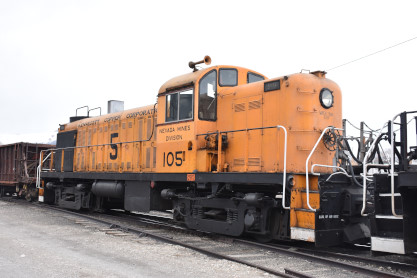
NVRR RS-2 105.
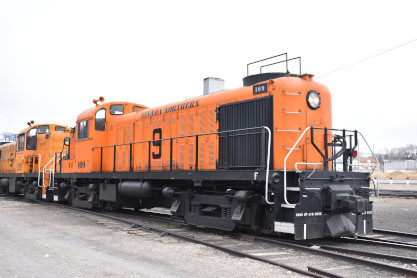
NVRR RS-3 109.
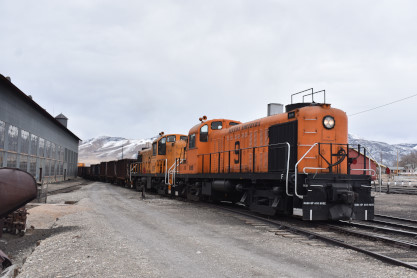
The train reversed to the far end of the yard and we made our way down.
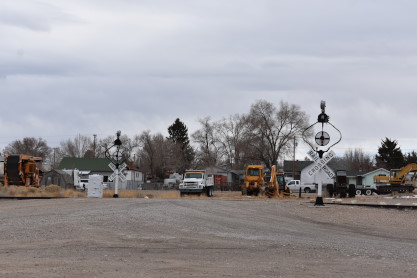
The wig-wag crossing signals that we visit a little later.
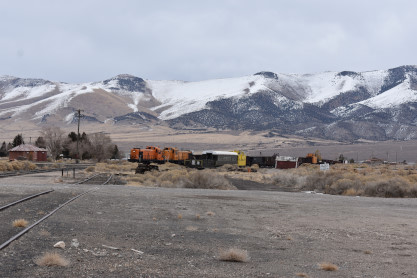
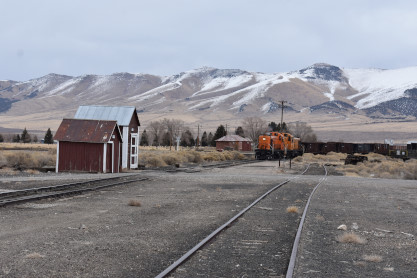
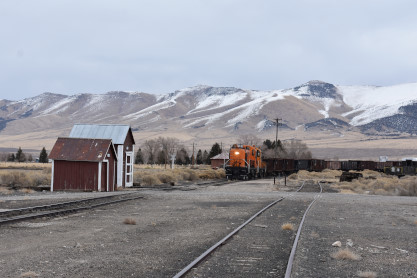
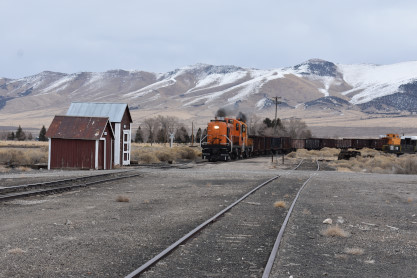
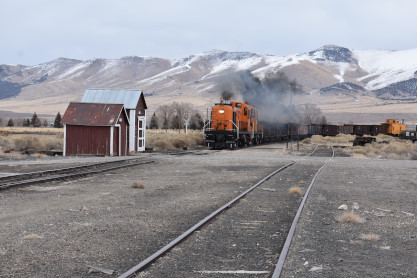
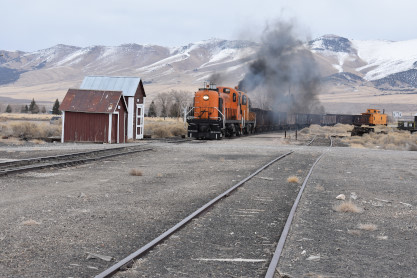
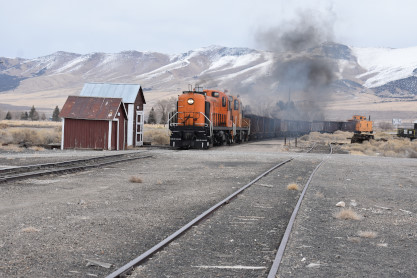
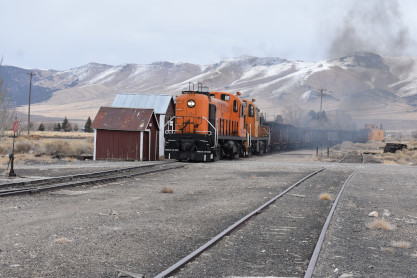
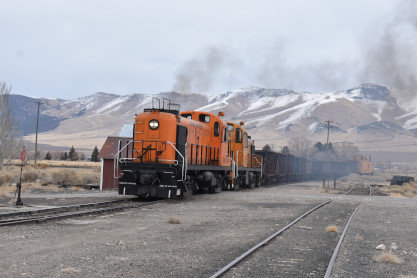
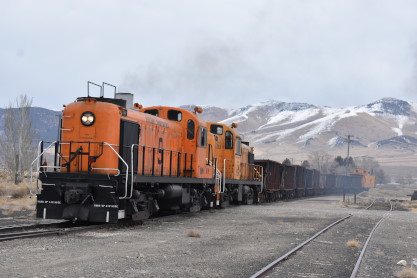
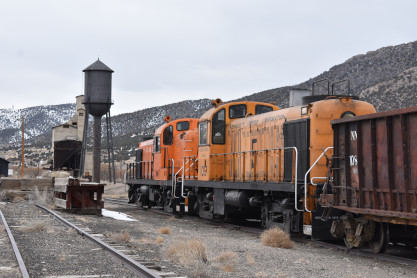
Photo runby five.
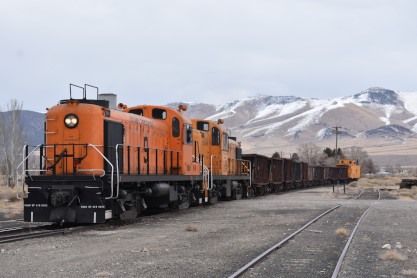
The reverse move.
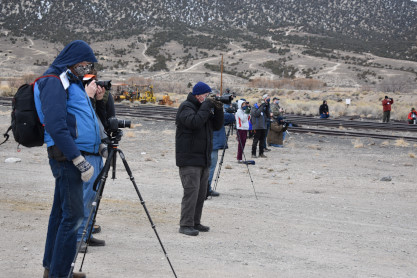
Our photographers enjoying themselves. I relocated for a different vantage point.
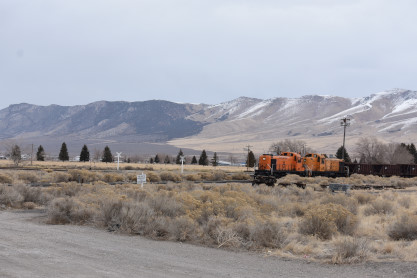
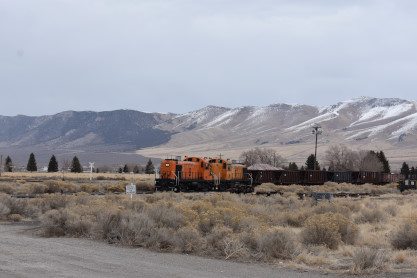
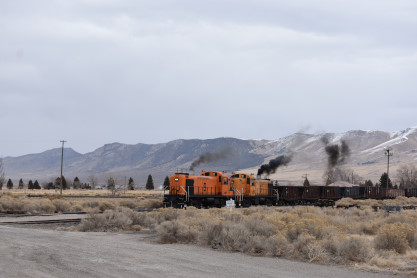
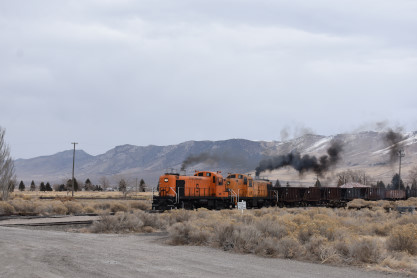
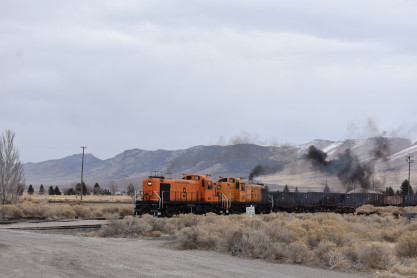
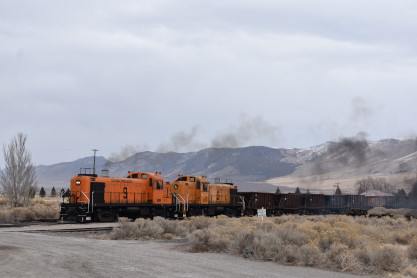
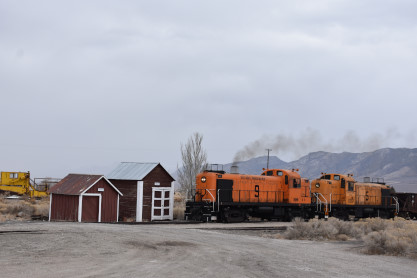
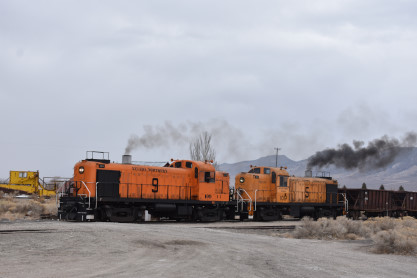
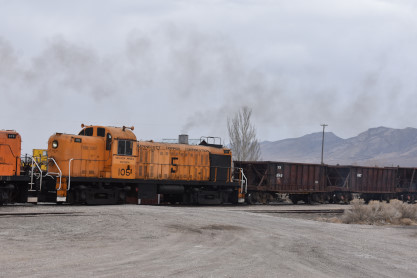
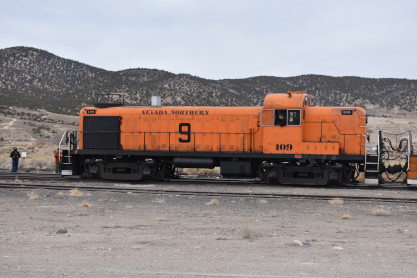
Photo runby six.
 *
*
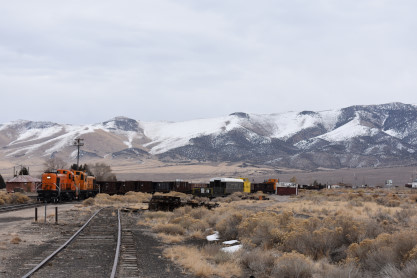
The train reversed to the next location and Erik led us there.
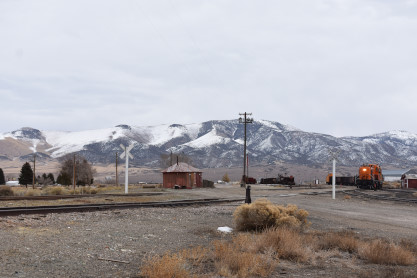
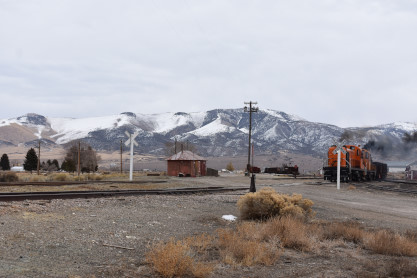
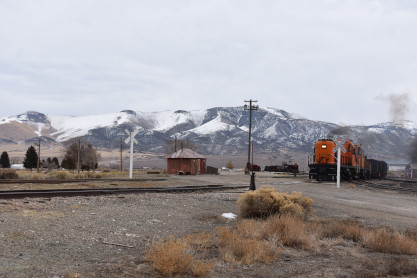
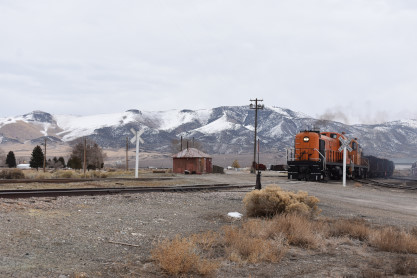
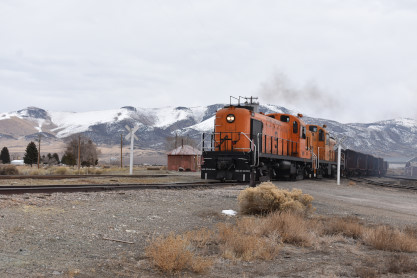
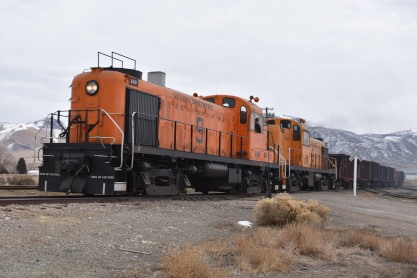
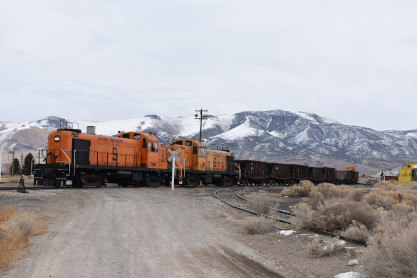
Photo runby seven at the grade crossing.
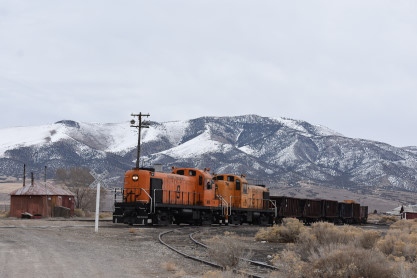
The reverse move in preparation for the eighth runby.
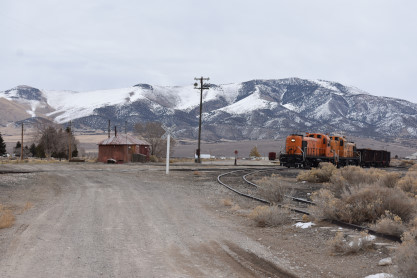
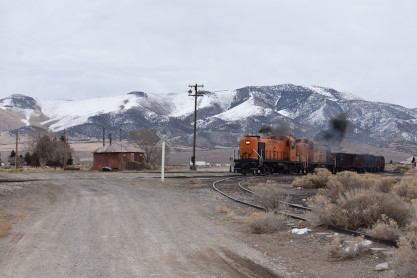
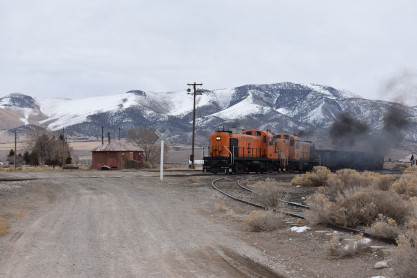
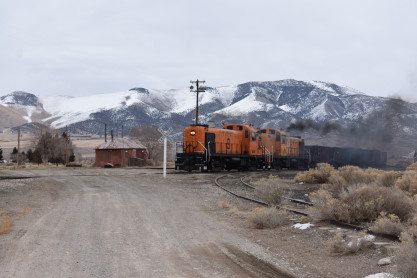
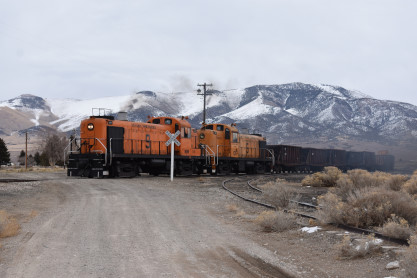
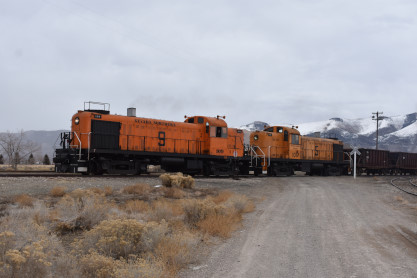
Photo runby eight at the grade crossing.
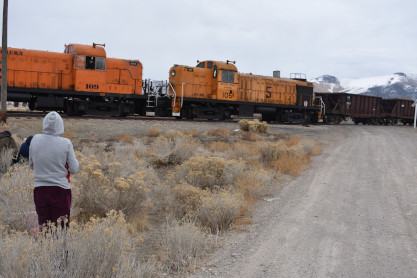
Elizabeth enjoying the runby and seeing Alcos in operation.
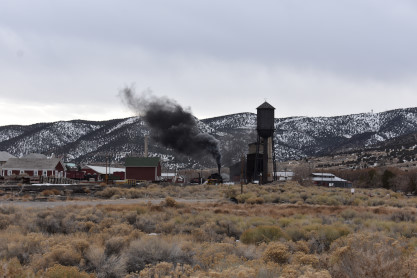
As we were led to the upcoming runby location, I spied Nevada Northern 2-8-0 93 moving about the yard.
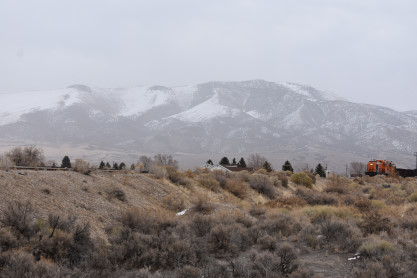
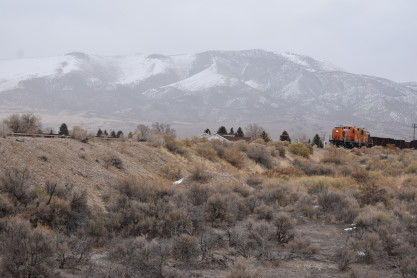
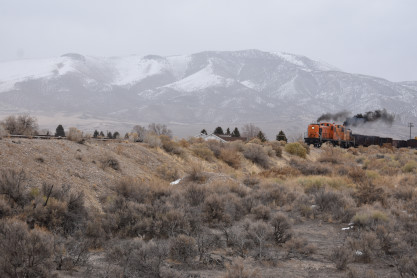
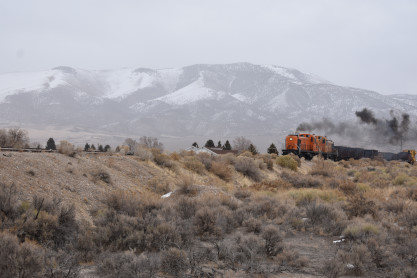
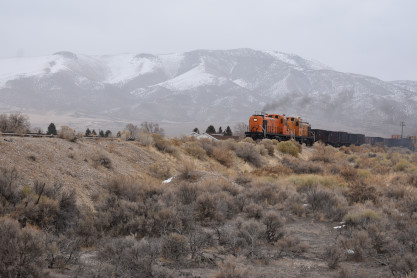
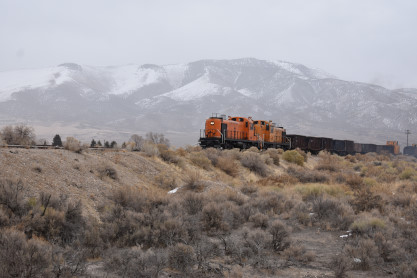
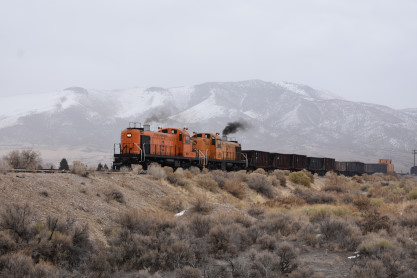
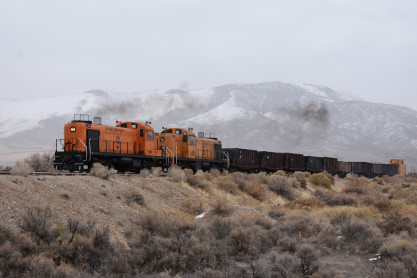
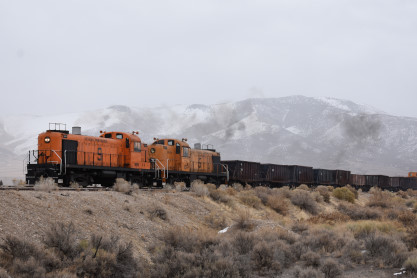
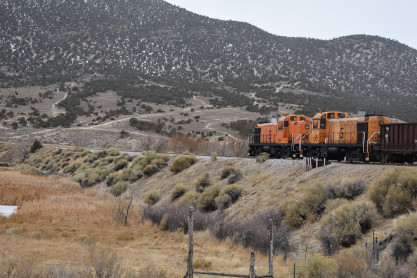
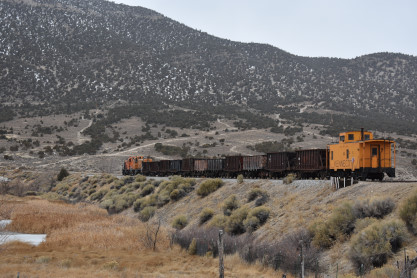
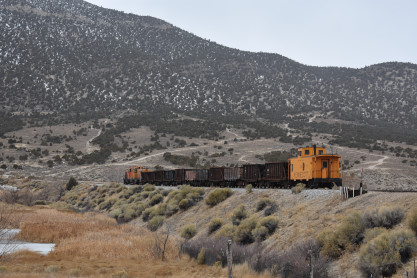
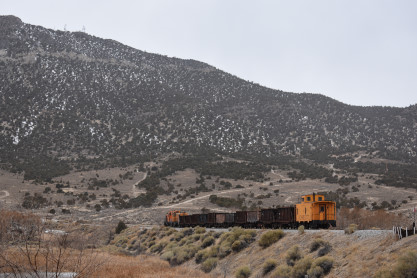
Photo runby nine at the fill which featured both coming towards and going away photographic opportunities.
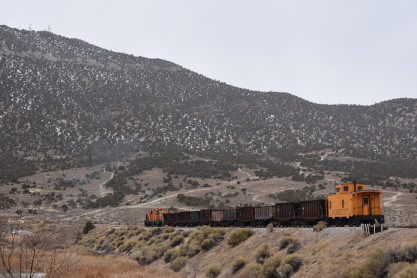
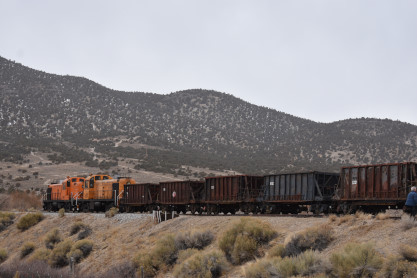
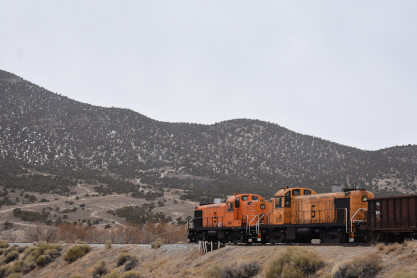
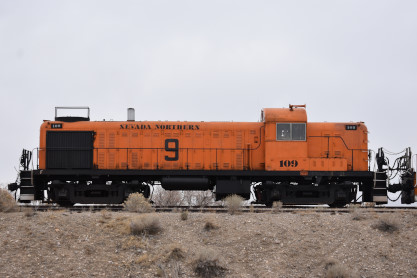
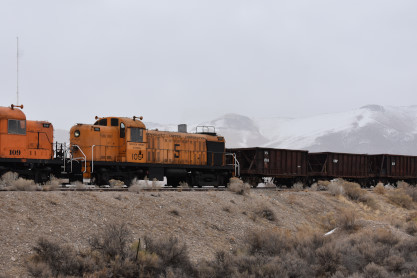
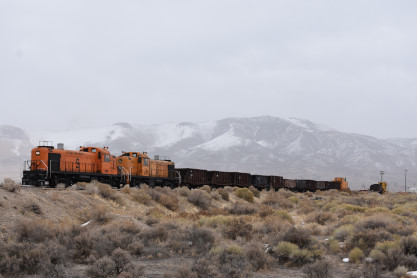
The reverse move.
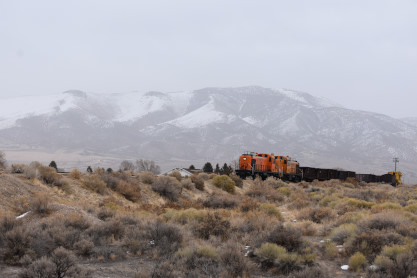
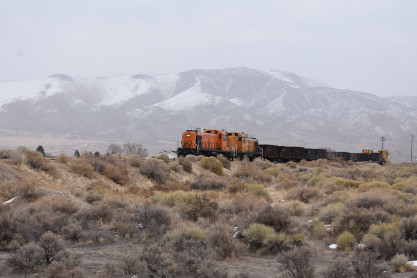
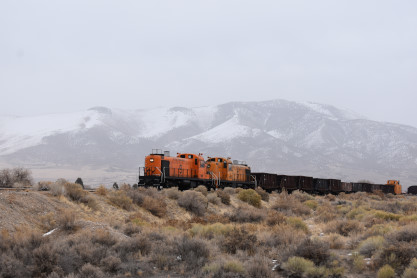
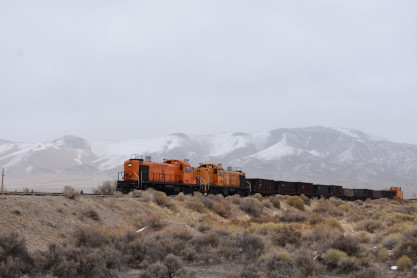
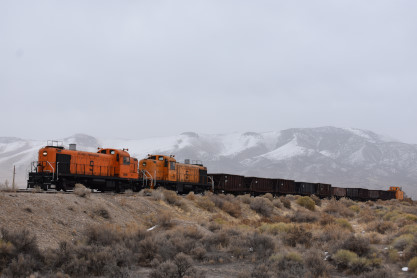
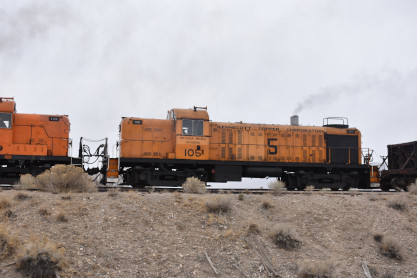
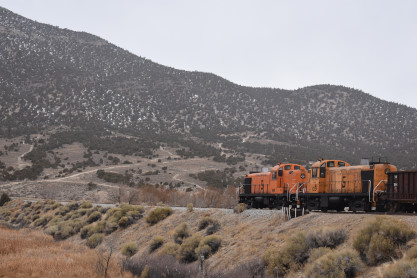
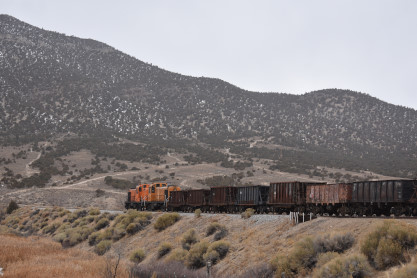
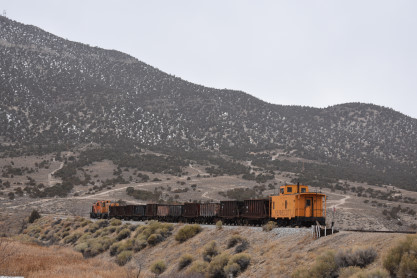
Photo runby ten.
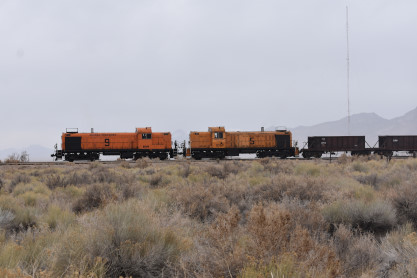
The ore train reversed again and everyone made their way to the wig-wag signal crossing.
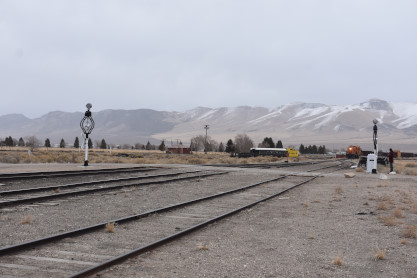
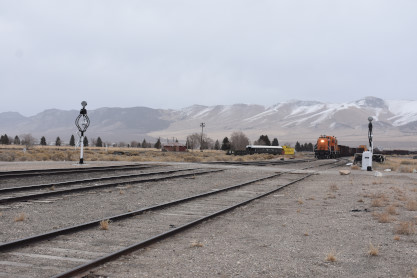
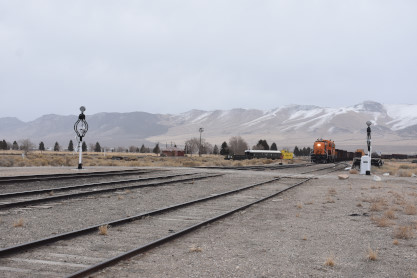
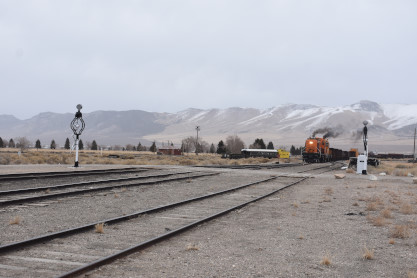
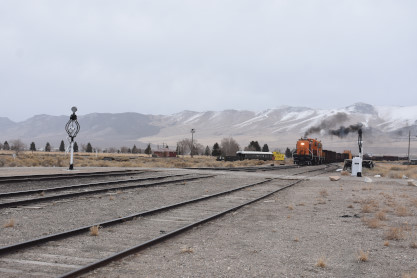
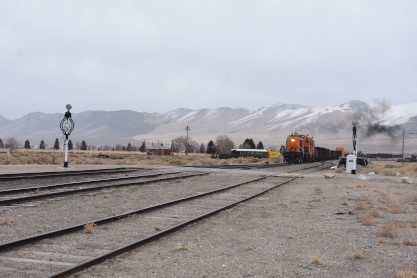
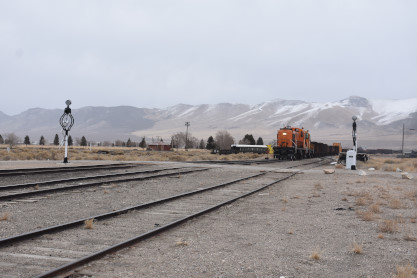
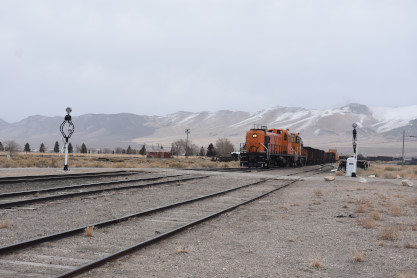
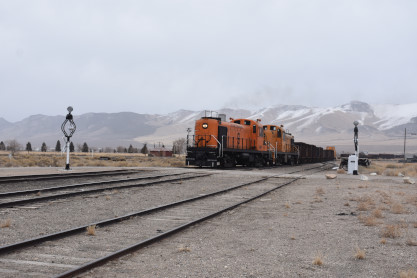
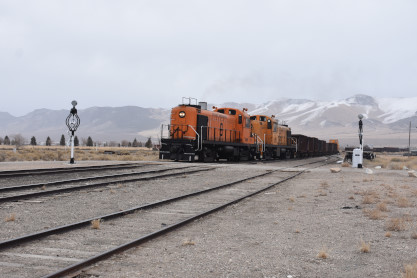
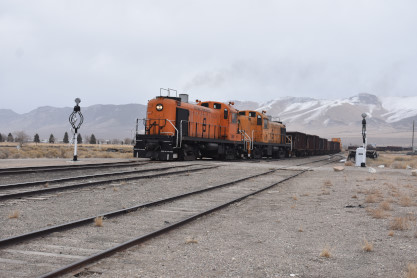
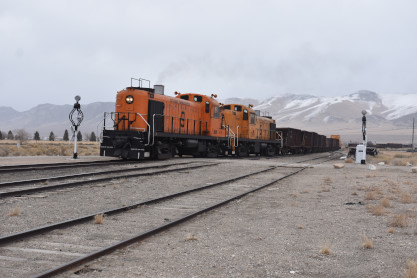
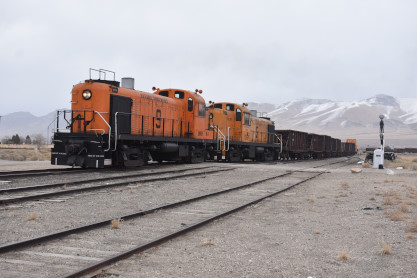
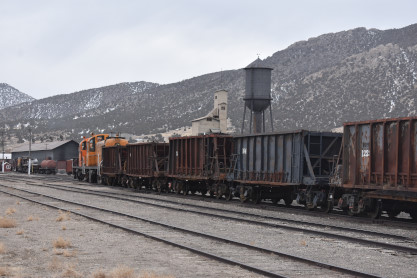
Photo runby eleven.
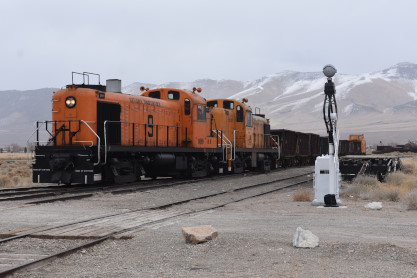
The reverse move, then I crossed the tracks for a different view.
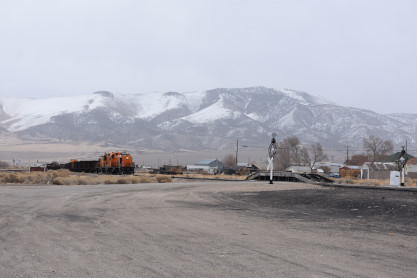
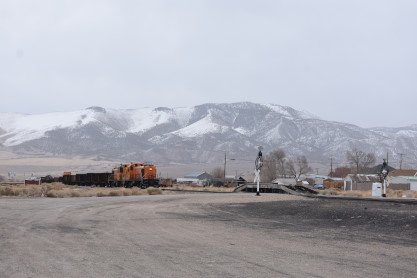
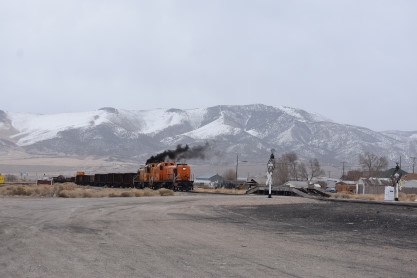
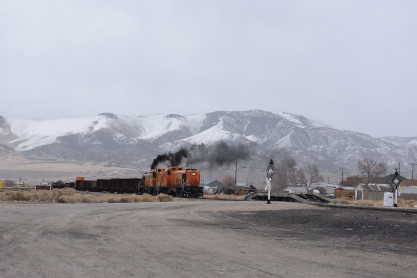
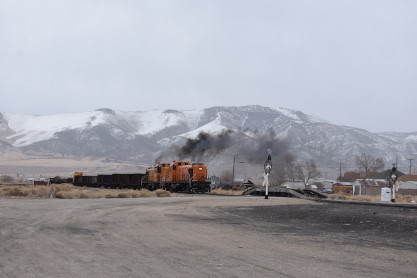
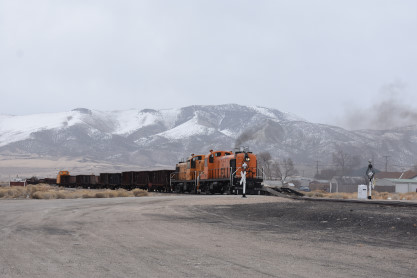
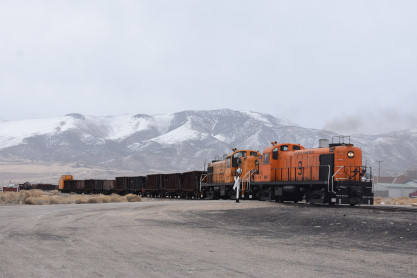
Photo runby twelve.
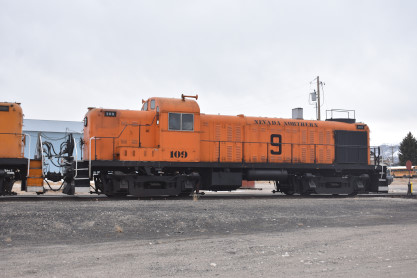
Kennecott Copper RS-3 109 during the twelfth runby.
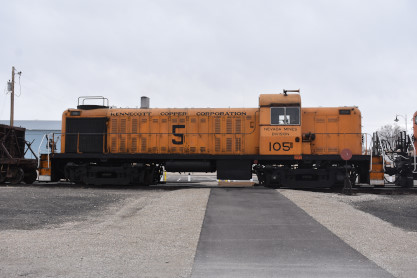
Kennecott Copper RS-2 105 during the twelfth runby.
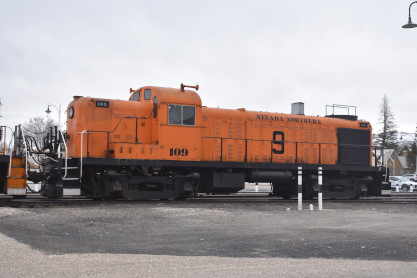
KCC 109 leads the train as it reverses to relocate for the last set of runbys of the day.
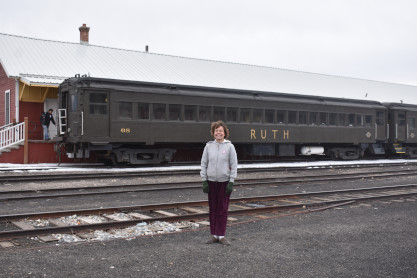
One of the photographers asked Elizabeth if her name was Ruth. She replied that it was one of her middle names. So we both took a picture of her in front of Nevada Northern coach 08 "Ruth", ex. Nevada Northern 08 "Nevada, exx. Nevada Northern Railway 1439, exxx. Willamette and Pacific 1439 1993, exxxx. Lewis and Clark Railway 1439 1989, exxxxx. Magnolia State Railroad 1439 1981, exxxxxx. Crab Orchard and Egyptian 1439 "Franklin" 1973, nee Illinois Central trailer 1439 built by Pullman Company in 1928 for IC suburban service.
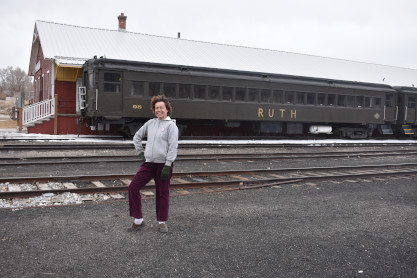
Striking a pose.
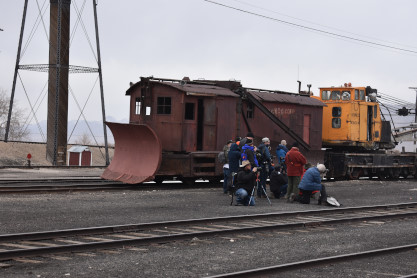
A few of our photographers set up by the spreader.
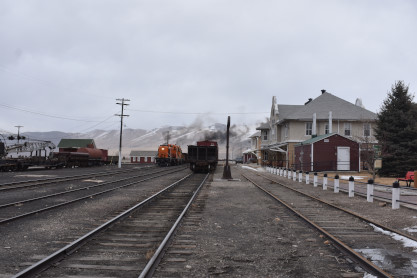
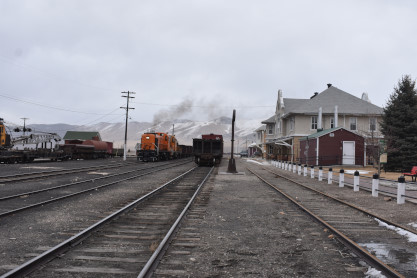
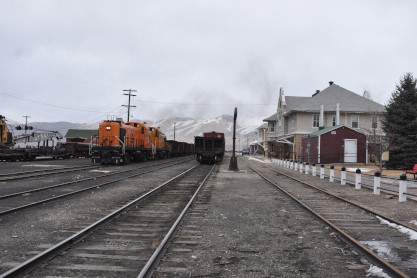
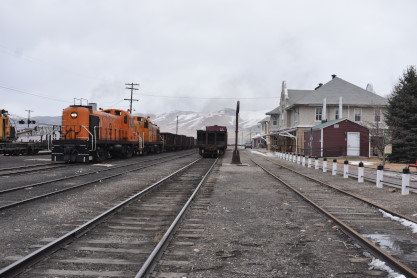
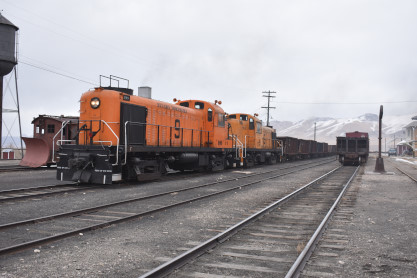
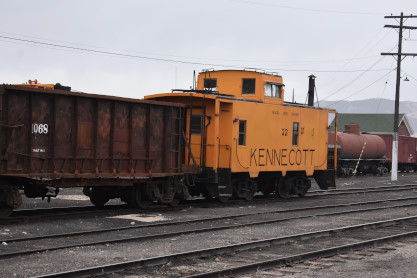
Photo runby thirteen in front of the station.
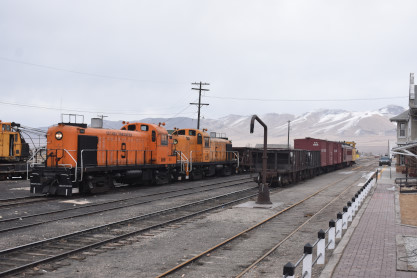
The reverse move, and I moved also.
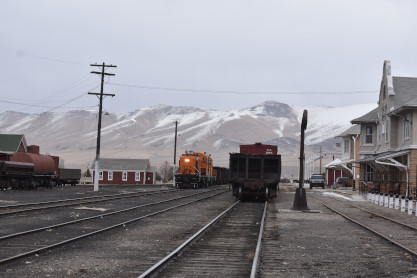
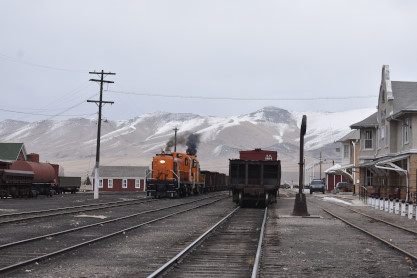
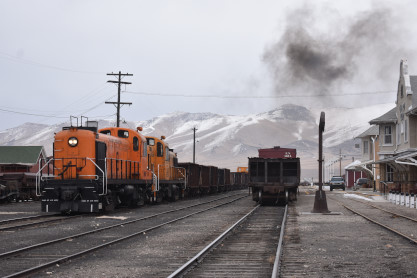
Photo runby fourteen, and the last of the day. It had been a fantastic afternoon of Alcos and runbys. Since neither of us were participating in the night photo session, we returned to the car and drove to the White Pines Motel and checked in. After checking things on the Internet, the stories of today's activities were worked on but as I was not feeling good, I took a nap and just rested. Elizabeth went to Denny's for dinner and her fried Alaskan cod with vegetables and potatoes hit the spot. We called it a night early as we had an early start in the morning.
| RETURN TO THE MAIN PAGE |