



After preparing myself for the day, I went downstairs for breakfast and was joined by another rider I knew from past charters, then returned to my room, gathered my belongings checked out.
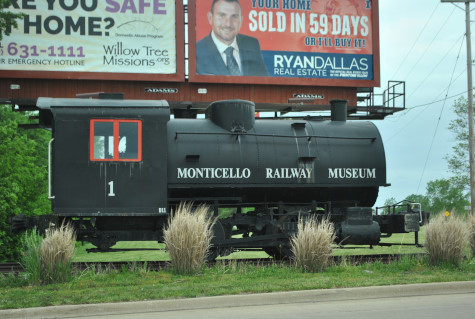
On display at the beginning of Iron Horse Place, the road upon which the museum is located, is Western Industrial Aggregates 0-4-0T 1 built by American Locomotive Company in 1924. This was the Museum's first piece of equipment and was acquired in 1966 from the Western Indiana Aggregate & Stone Company in Montezuma, Indiana and weighing 27 1/2 tons, this 0-4-0 came with a saddle tank. 1 ran from October 12th, 1972 until 1988.
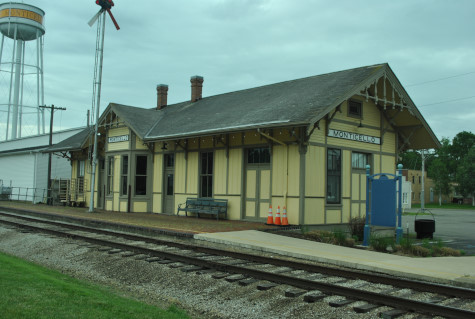
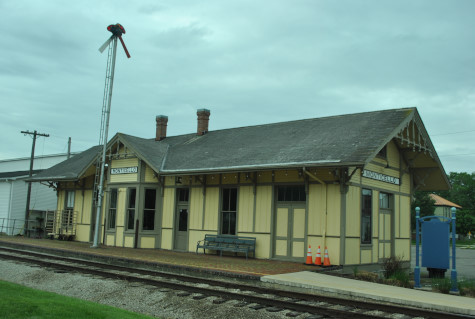
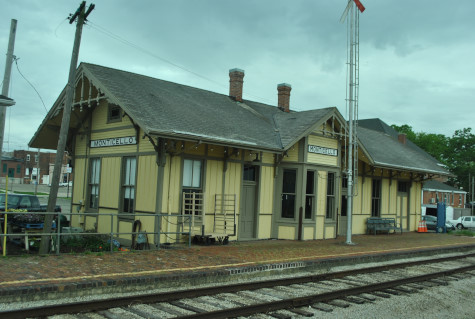
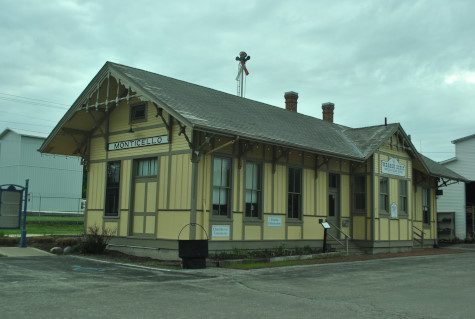
I drove into Monticello and found the Wabash Railroad station built in 1889, which was moved to its present location along the former Illinois Central tracks in 1987 and restored by the Monticello Depot Association. From here I drove to McDonald's for hot cakes and sausage and after breakfast, returned to the museum with plenty of time to explore.
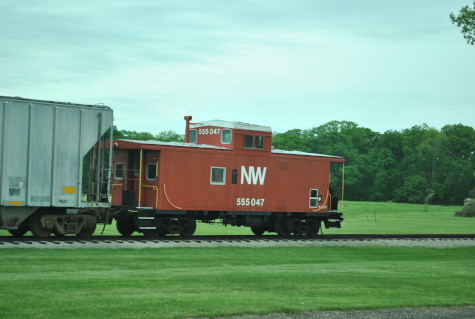
Norfolk & Western caboose 555047, built by International Car Company in 1976 and was one of six cabooses in a final order by the N&W.
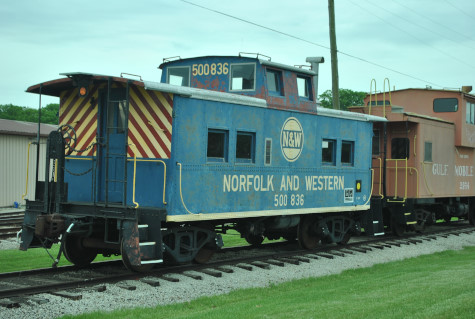
Norfolk & Western caboose 500836, built by Pittsburg & West Virginia Railroad in 1943. One of the most classic caboose styles used by northeastern railroads, this was actually a kit offered by the Bethlehem Steel Company, assembled by the railroads. 500836 currently sports Norfolk and Western livery.
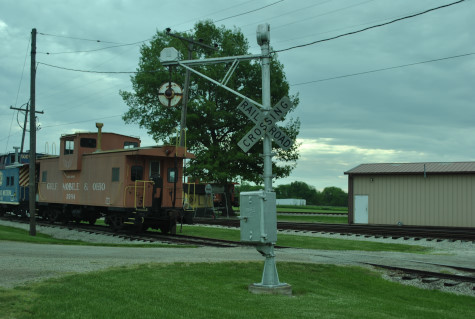
Wig-wag crossing signal.
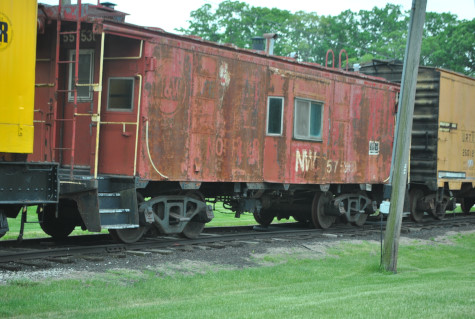
Norfolk & Western bay window caboose 557530, built by New York, Chicago and St. Louis Railroad (Nickel Plate Road) as 430 in 1960. This style offers a better view for the conductor of their train than a cupola would. She is currently awaiting restoration.
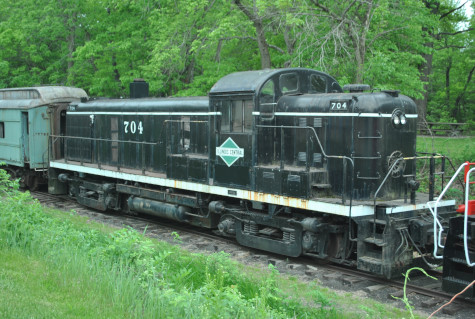
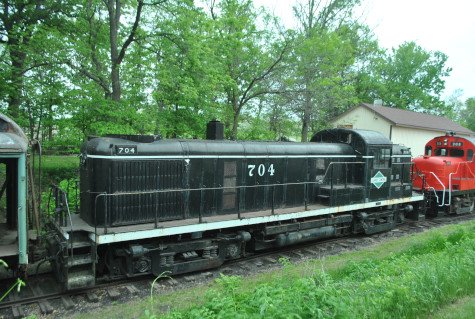
Illinois Central Railroad RS3 704 built by American Locomotive Company in 1955 as Long Island Railroad 1559 in 1955. The Gettysburg Railroad renumbered it to 301, and then later sold it to the Maryland Midland Railroad. It is currently painted in Illinois Central Railroad livery as 704 for the 150th anniversary for that railroad.
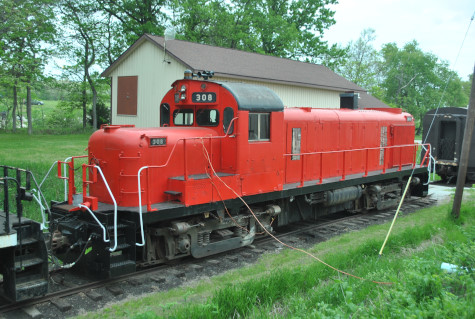
Green Bay & Western RS3u 308, built by American Locomotive Company in 1955. In 1993, the Green Bay & Western was acquired by the Wisconsin Central Railroad. The 308 was retired around this time, put up for sale and purchased in 1994 by the Kankakee, Beaverville & Southern Railroad, an eastern Illinois shortline. In 2004, when the KB&S retired their ALCO locomotives in favor of newer locomotives from General Motors, 308 was purchased by a Monticello Railway Museum member and has been at the museum ever since. While usually in storage at the museum’s Camp Creek Yard, it is occasionally fired up and operated around the property.
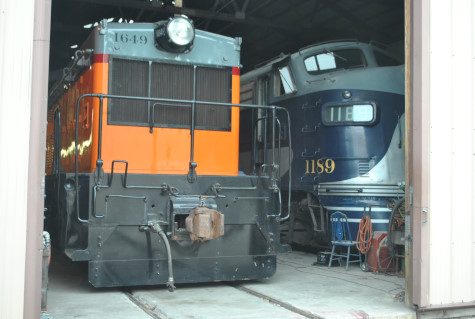
On the left is Milwaukee Road NW2 1649 built by General Motors Electro-Motive Diesel Division in 1947. This locomotive worked across the Milwaukee Road system before being retired and sold to a private party in Rockford, Illinois. The locomotive was donated to and arrived at the museum in 2000. After arrival, an operational restoration was begun that was completed in late 2003. On the right is Wabash Railway F7A 1189 built by General Motors Electro-Motive Diesel Division in 1953. Number 1189 was the last F7A ordered by the Wabash and was the last built by General Motors Division, Ltd. at London, Ontario, and spent most of its operational time in Fort Erie, Ontario. Retired in 1979, 1189 was sent to Decatur, Illinois to be scrapped but was donated to the Museum by the Norfolk and Western in 1980. After arrival at the museum, much body work was done as well as required mechanical work to return the locomotive to service.
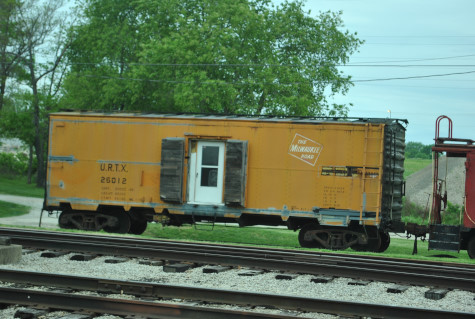
Milwaukee Road United Refrigerator Transport Company 26012 built by General American Transportation Corporation in the 1950s.
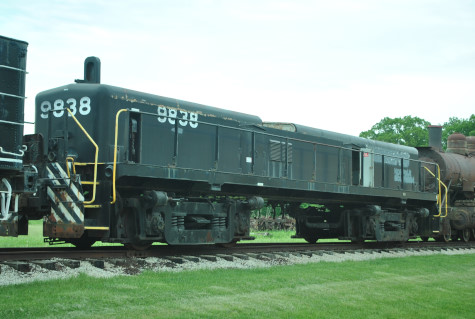
Southern Railway RS3 Slug 9838, built by Southeastern Specialties in 1977. Once Alco diesel locomotives were past their prime, many on the Southern Railway found a second life. 9838 was built out of an RS3 switch engine in 1977, becoming a slug, and was later re-numbered Norfolk Southern 948. A mother unit provided power to the four traction motors to assist in switching operations.
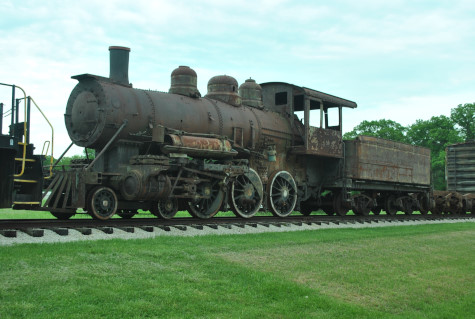
Mississippi Eastern 4-6-0 303, built by Baldwin Locomotive Works in 1916, for the railway in Quitman, Mississippi. The railroad was chartered in 1903 to haul lumber felled from tracts of timber in Eastern Mississippi owned by the Mississippi Lumber Co. By October 1933, however, most of the timber had been cleared. The sawmill at Quitman shut down and the logging railroads were removed. After eighteen years at the Mississippi Eastern, the locomotive then began a long, drawn-out odyssey through the southern, eastern and mid-western United States.
In 1934, 303 was sold to the dealer Birmingham Rail & Equipment Company and then re-sold to the Lancaster & Chester Railway Company, in Lancaster, South Carolina, as 32. In 1946, it was bought by the Hampton & Branchville Railroad also in Lancaster, before being sold to Byron Andrews in 1963 to operate excursions as York Southern 1 on Maryland & Pennsylvania trackage out of York, Pennsylvania. George Hart's Rail Tours took over the running of excursions on the M&P in 1964, and Andrews' equipment, including 32, went into storage. 32 was then sold through a court sale in 1968 to Leveran & Sons Scrap Yards in York, Pennsylvania, who, in turn, sold it to Richard Jensen of Chicago, Illinois, in 1970. It was finally sold to William Latham of Rockford, Illinois, in July 1986, who donated it to the museum in 2000.
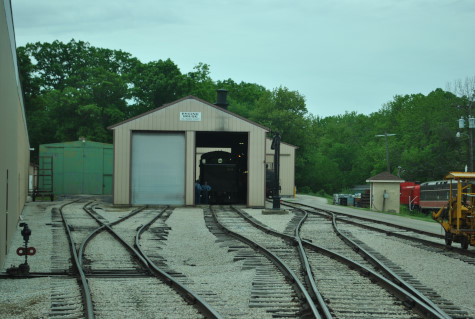
Southern Railway 401 in the steam shop building.
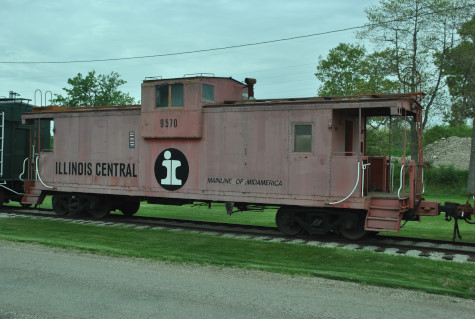
Illinois Central wide vision caboose 9570 built by the railroad in 1969. The wide vision feature offered greater visibility and view of the train. This caboose is privately owned.
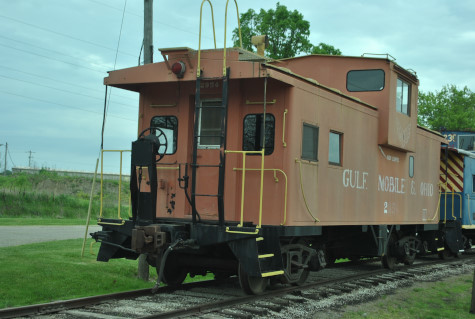
Gulf Mobile & Ohio caboose 2954 built by International Car in 1968 and is privately owned.
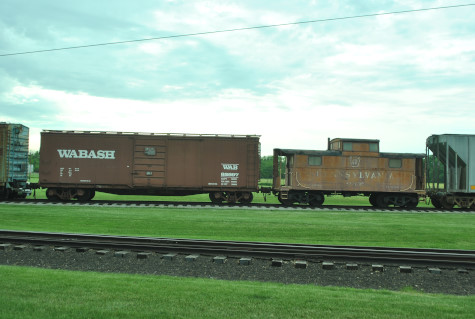
Pennsylvania Railroad caboose 477692, built by the railroad in 1917. This caboose is a standard Pennsylvania RR design and was acquired by the Museum in 2017 after being a roadside fixture in Chestnut, Illinois for decades.
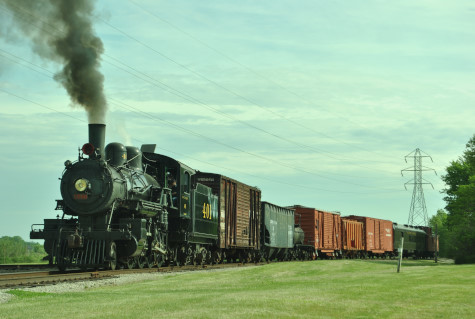
With that, it was time for Southern Railway 401 to put its charter train together and soon we all saw smoke and made a photo line.
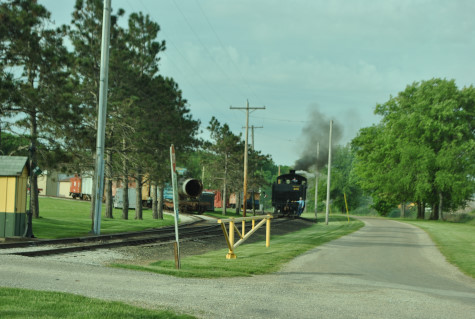
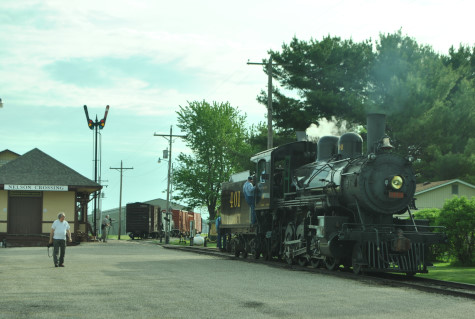
First our engine passed the station.
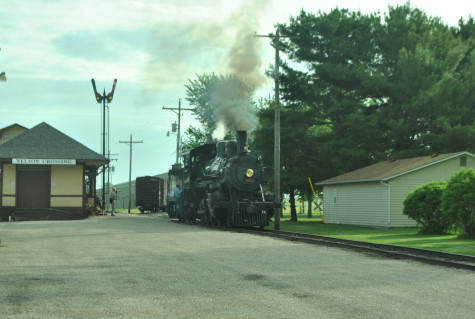
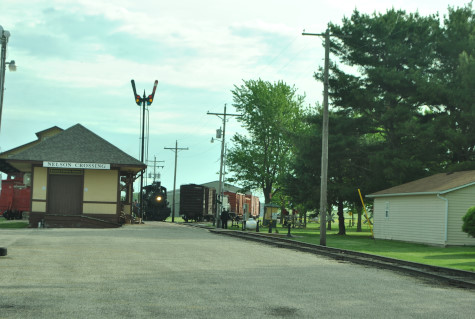
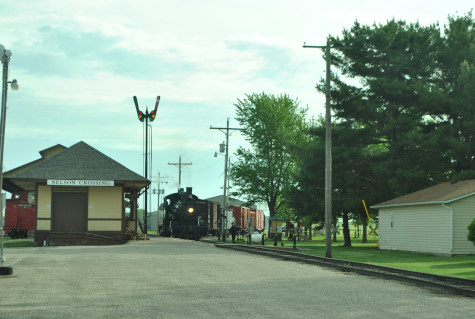
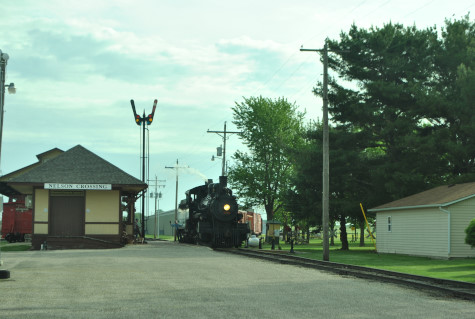
The engine then pulled up to the switch for the siding that contained the mixed train.
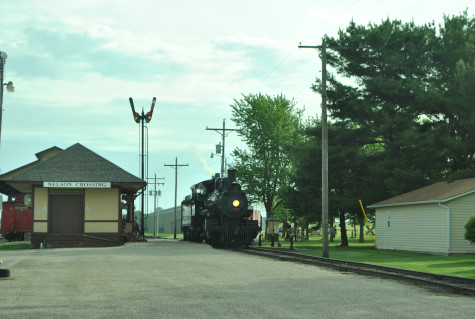
Next he reversed into the siding to get the train.
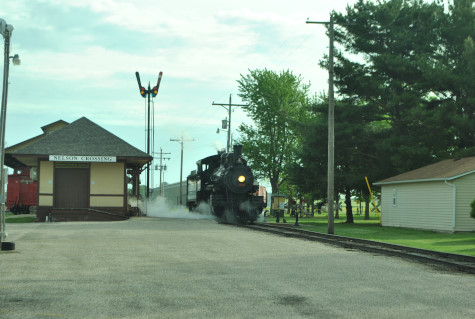
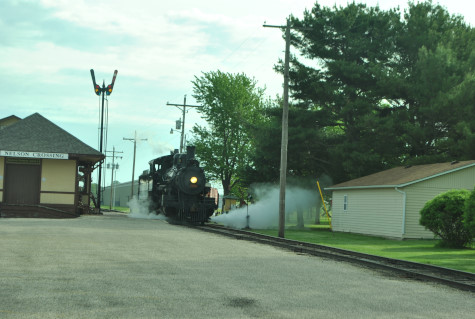
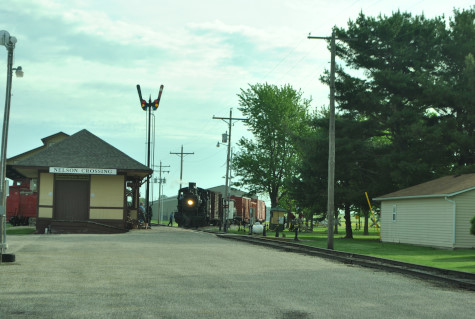
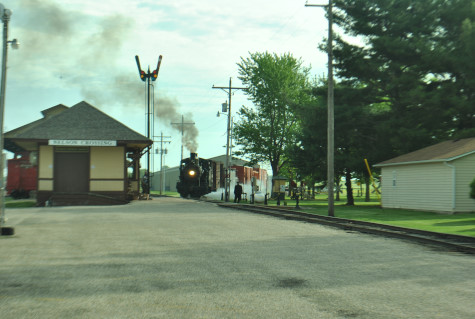
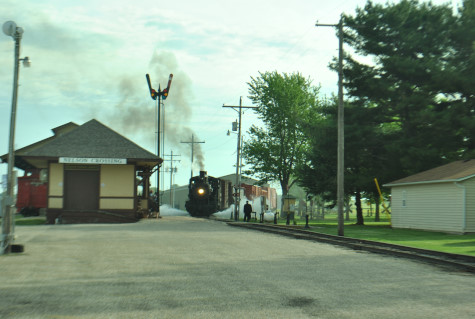
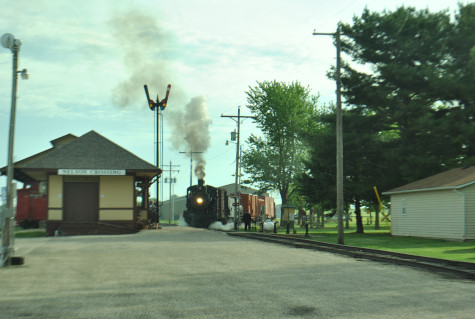
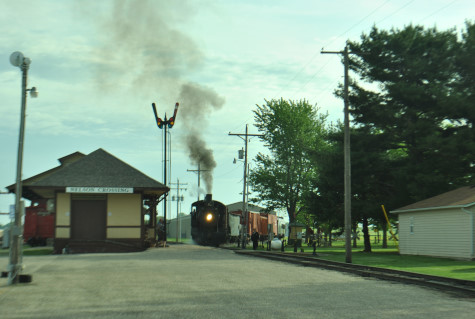
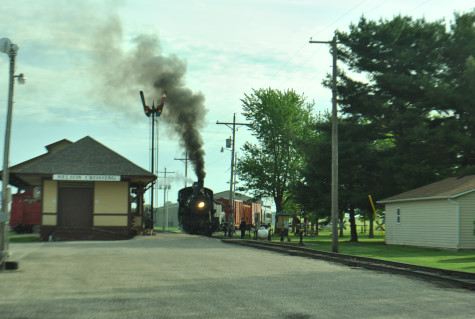
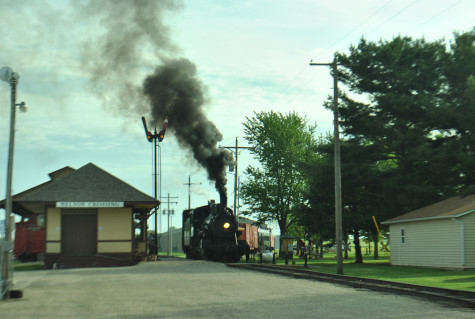
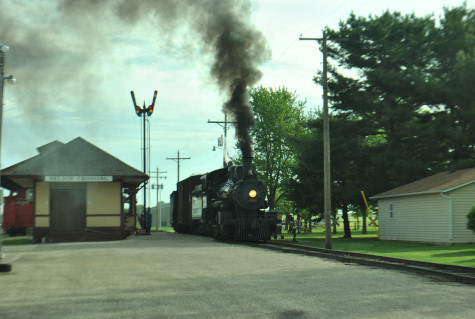
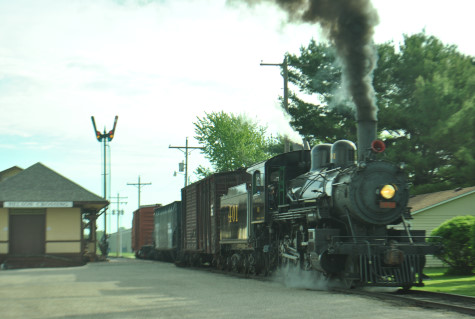
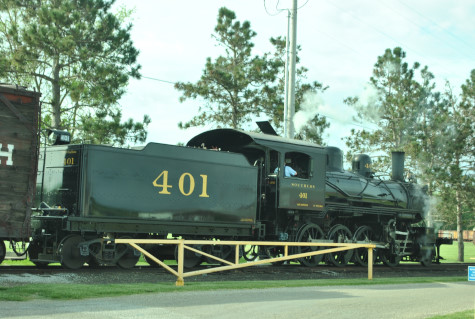
Passing our photo line.
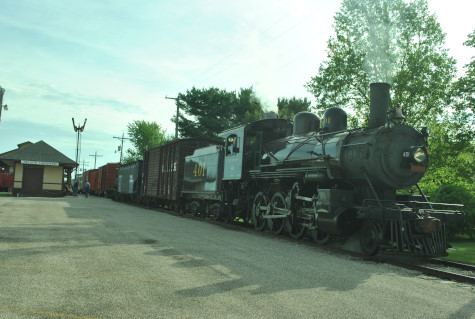
Then he reversed to put the combine car onto the station platform. Joshua gave a safety briefing which included an outline of the plans, after which all participants put their belongings on board before walking to the first of many photo locations. The photo train's consist was Southern Railway 2-8-0 401, Wabash wooden outside-braced box car, Illinois Central covered sand hopper 100040, Illinois Central outside-braced work car X1937, Illinois Central box car 41390, Illinois Central combine 892 and Northern Pacific caboose 1878.
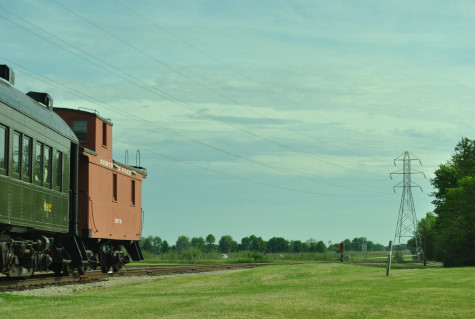
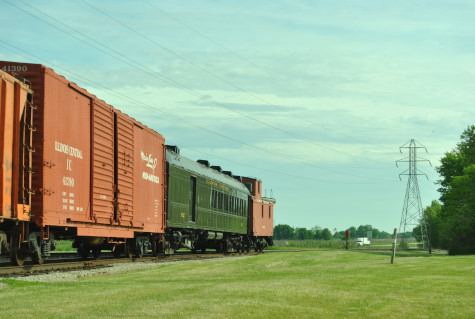
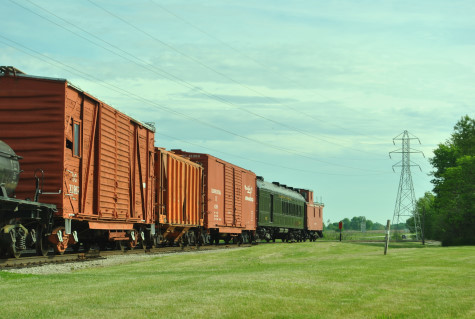
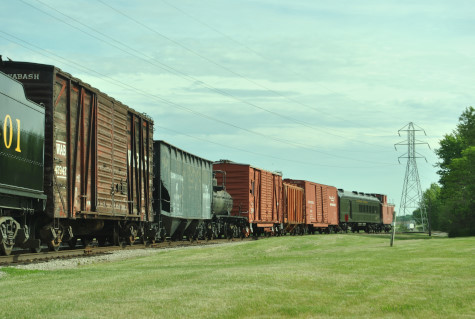
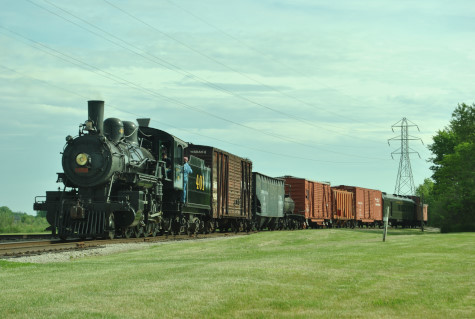
Reverse move one.
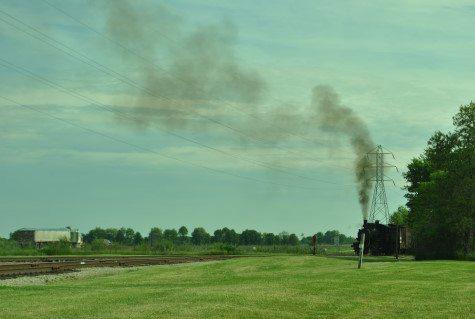
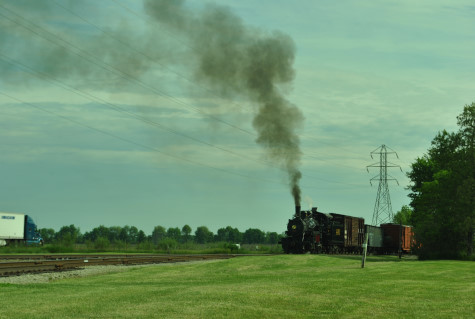
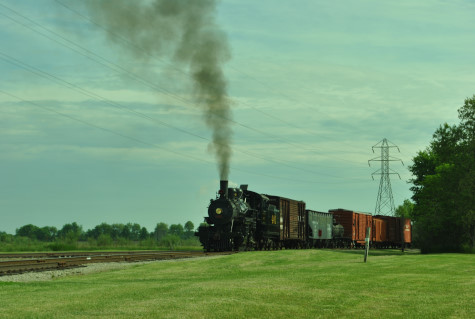
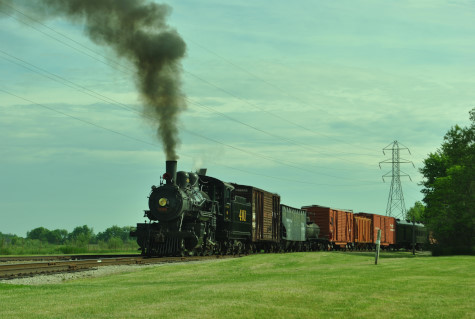
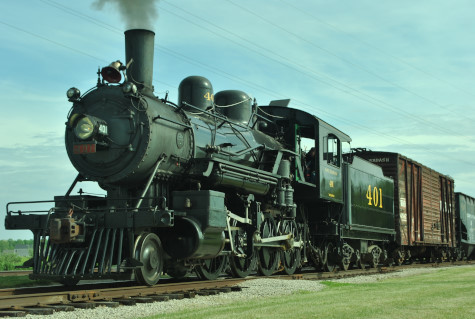
Photo runby one.
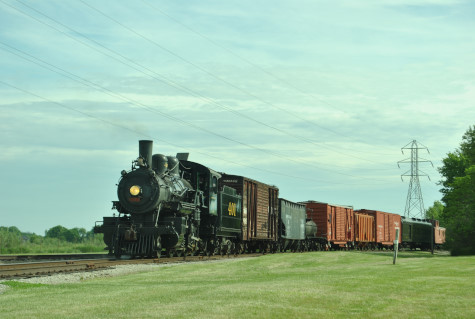
Reverse move two.
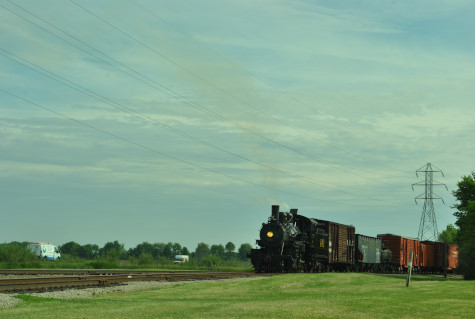
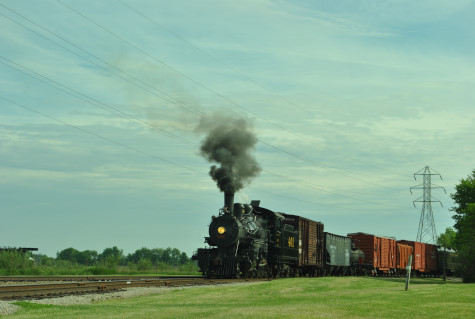
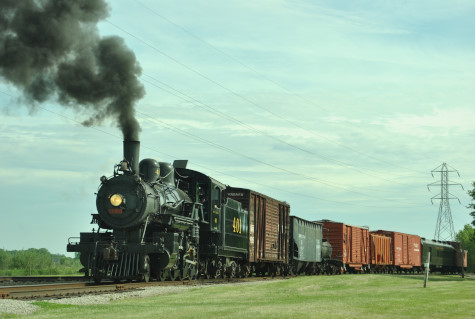
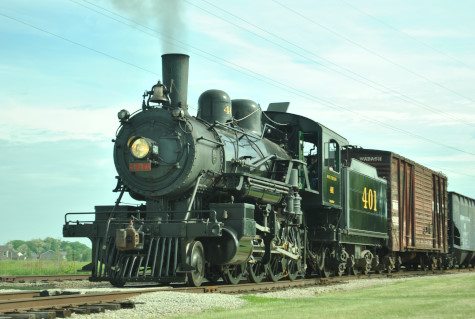
Photo runby two.