




After our first trolley ride, it was then time to explore.
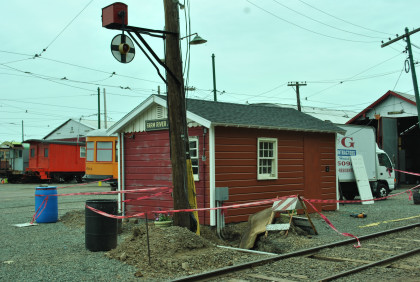
A wig-wag crossing signal.
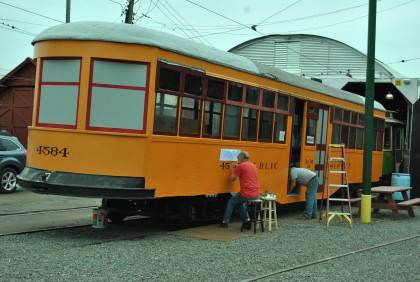
New Jersey Transit 4584, nee Public Service of New Jersey 4584, trailer built by Osgood-Bradley in 1921. From 1936 to 2004, this carbody was used as the office of a local iron works in Union, New Jersey, a form of adaptive reuse which saved many trolley cars from destruction.
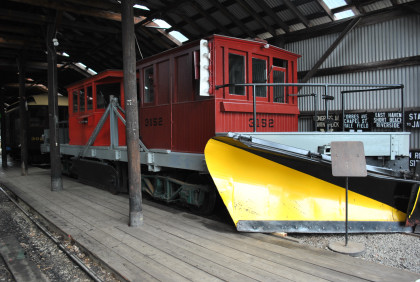
Montreal Tramways work snow plough 3152 built by Canadian Car and Foundry in 1925 as a flat car and converted to snow plough with center cab added by Montreal Transit Commission in 1944. It was later sold to Cornwall Street Railway and acquired by the museum in 1972.
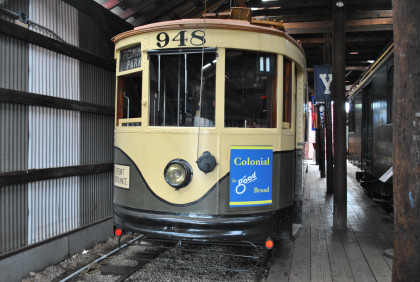
Georgia Power Company streetcar 948 built by the Cincinnati Car Company in 1926 and operated on the streets of Atlanta until 1948. Many of Atlanta's retired streetcars were sold to Seoul, Korea where they operated for several more years. At that time, all of 948's electrical and mechanical equipment was removed and sent to Seoul for spare parts. The museum acquired the car body and spent many years working to re-acquire all the parts to bring it back to life. Atlanta 948 made its grand debut on our line in 2011 as the most recently-restored member of our fleet.
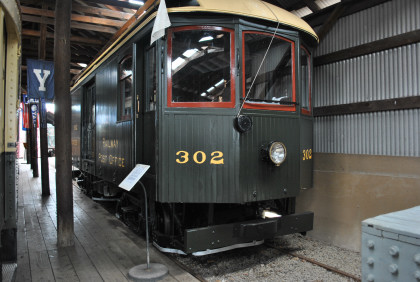
Union Street Railway railway post office car 302 built by J.M. Jones in 1907.
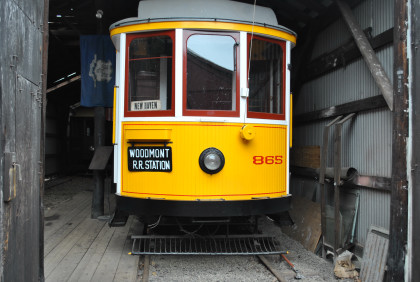
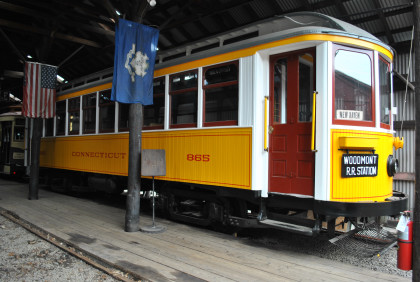
ConnCo of New Haven streetcar 865, later Consolidated Railway 512, built by Wason in 1906.
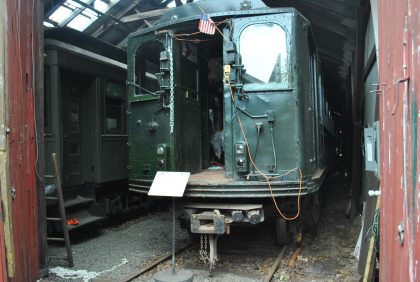
Hudson & Manhattan streetcar 503 built by American Car and Foundry in 1928. The Hudson and Manhattan operated cars under the Hudson River from Lower & Mid-Town Manhattan to New Jersey. Due to the close quarters and the fact the car operated under land and water, fire was a major concern of the public. The cars where promoted as being all-steel and in fact the first fleet to be built this way. Another unusual feature of the cars is the new center door configuration. Due to the H&M financial problems these cars operated well into the 1960's. This car operated as an H&M car from 1928 to 1962 then Port Authority Trans Hudson (PATH) from 1962 until 1965 then operated in work train service until 1979, coming to BERA in 1979.
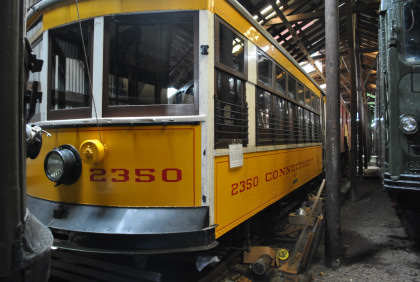
ConnCo Birney streetcar 2350 built by Osgood-Bradley in 1922.
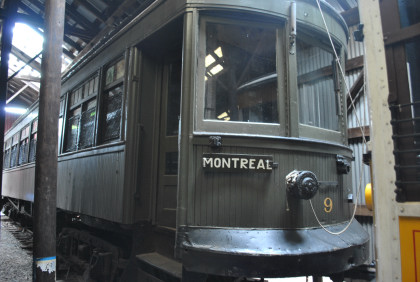
Montreal & Southern Counties Railway interurban 9 built by the Grand Trunk Railway in 1911. The railway connected the growing Canadian city and the rural countryside to the east and was built as M&SC was quickly extending their line toward Granby. Always an electric car, 9 and its fleetmates closely resemble the steam passenger coaches of the era with high steps, paired windows with stained glass, railroad wheels and heavy, solid construction. M&SC continued to run until 1956, when the rails they used to cross the Victoria Bridge were removed.
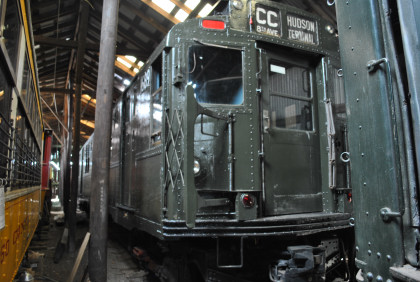
Independent Subway (City of New York) subway car 1689 built by American Car and Foundry in 1940. The City of New York opened the first municipal subway line in 1932. 1689 ran until 1977 and at 60 feet and 84,000 pounds, this is the largest passenger car regularly operated at the museum. It is currently undergoing motor repairs.
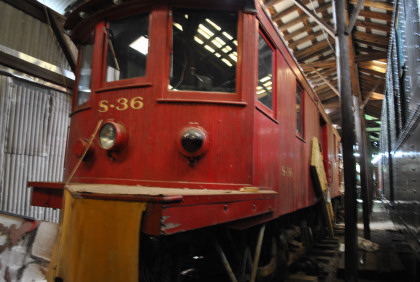
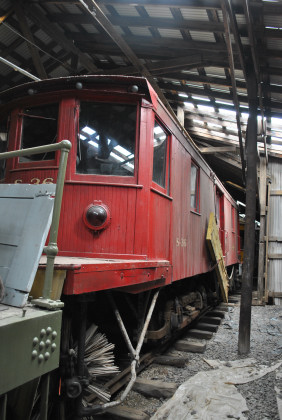
Toronto Transit Commission snow sweeper S-36 built by Russell in 1920. It later became Eastern Massachusetts Street Railway 607 in Boston and Third Avenue Railway 89 in New York City.
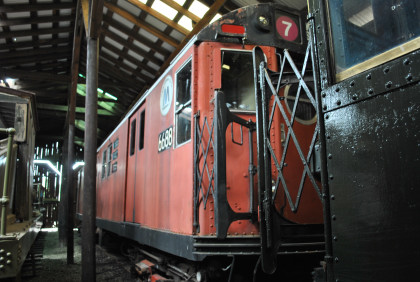
New York City Transit Authority R-17 subway car built by St. Louis Car Company in 1955 and operated on the 7 Line, replacing some of the original 1904-1907 vintage IRT cars. It was one of the first cars to be painted red and silver and looks similar to the thousands of "redbird" cars that were retired circa 2001. It was preserved in 1987 and operates frequently at the museum.
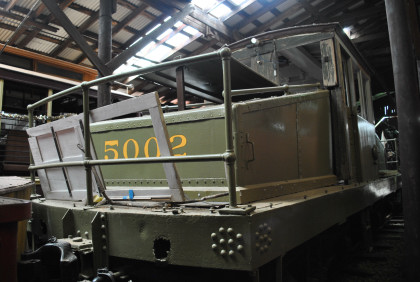
Montreal Tramways steeple cab 5002, nee Montreal Tramways 2 built by the railway in 1918.
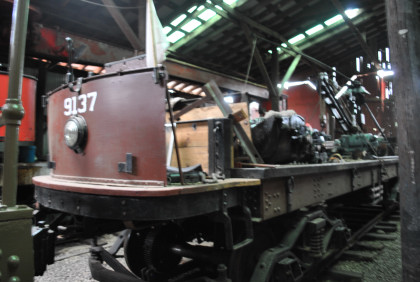
South Brooklyn Railway self-propelled pillar crane 9137 built by Middletown in 1903 specifically to lift and set lengths of rail.
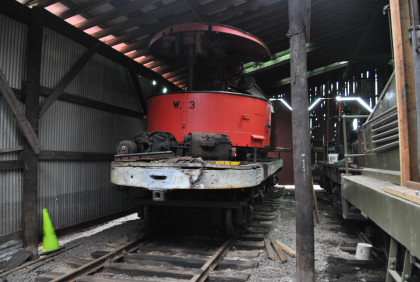
Montreal Tramways work crane W-3 built by Differential Steel Company in 1929.
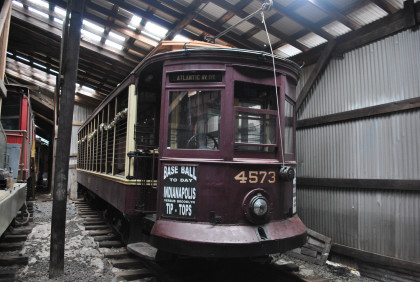
Brooklyn Rapid Transit streetcar 4573 built by Laconia in 1906. This was the museum's first Brooklyn car representing the largest trolley system in the country and was used by the then Brooklyn Dodgers to travel to and from games. It is a four motor convertible running in its summer configuration and started its service on Flatbush Avenue, working there until 1934 when it was converted to a salt and sand car. In 1947 the car was selected by Branford, it was rare and well-preserved example of this type of car.
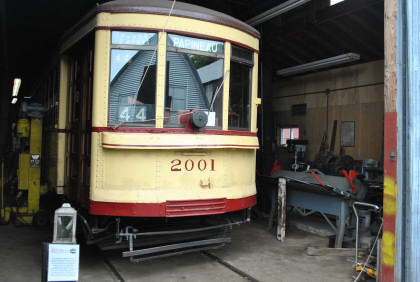
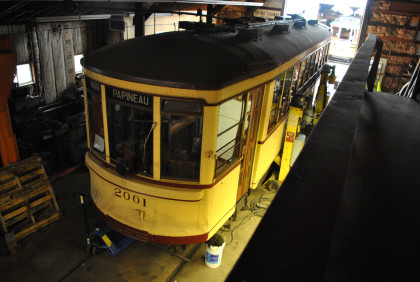
Montreal Tramways streetcar 2001 built by Canadian Car and Foundry in 1929.
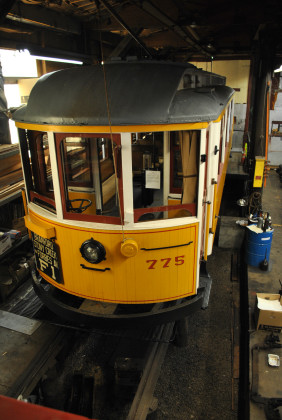
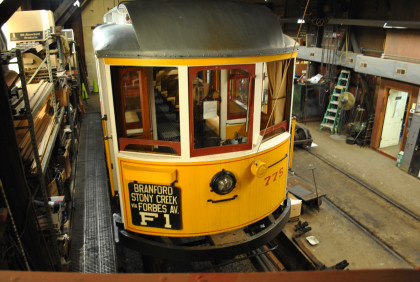
Connecticut Company suburban car 775 built by Jewett in 1904 and later became ConnCo 193.
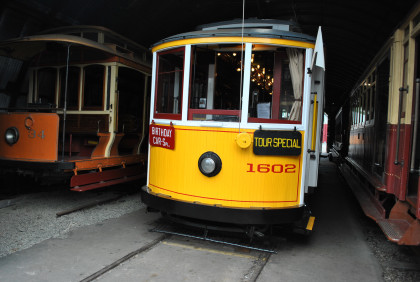
Connecticut Company streetcar 1602 built by Wason in 1911 and is unusual in that it has a concrete floor and straight-line seating.
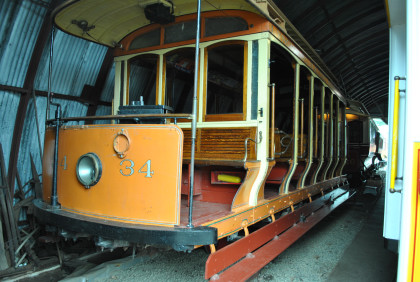
Lynchburg Electric Railway streetcar 34 built by Jackson and Sharp in 1899, an example of a first generation open-bench trolley. Trolleys such as these took millions of passengers to summer recreation areas like beaches and parks. Street railway companies built amusement parks as a way to generate weekend revenue and many amusement park rides used the same controls as trolleys. Early trolley cars only had one trolley pole which meant that it had to be swung around after each trip to change direction. The seat backs could also be flipped over so that passengers were always facing forward. This car was also equipped with canvas curtains to protect the passengers from rain. It was the first trolley car acquired by the Museum in 1945.
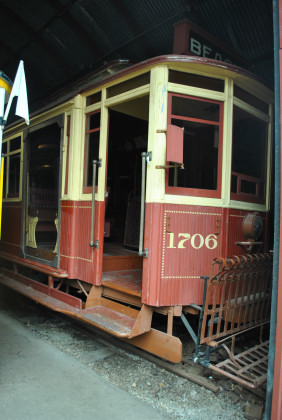
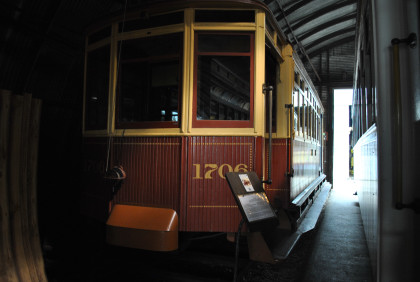
Toronto Railway streetcar 1706 built by the railway in 1913. It served them until 1921 when the Toronto Transportation Commission took over from 1921 to 1953 then was transferred to the Toronto Transit Commission from 1953 to 1955.
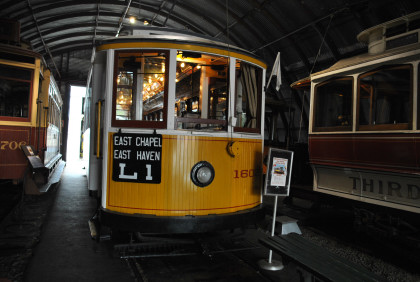
Connecticut Company streetcar 1602 built by Wason in 1911. It was one of the last wooden streetcars built, as steel would become the preference the very next year. With a top speed of 25 mph, the car was perfect for moving through crowded city streets. To accommodate the large crowds, the car was outfitted with bench seats along the sides leaving a wide aisle for lots of standing riders. For many years, Car 1602 was used on the line serving State Street and Savin Rock Amusement Park. It was retired from service in 1948 and made its way to the museum.
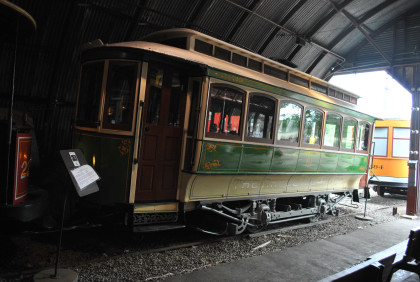
Rhode Island Company streetcar 61 built by J.M. Jones in 1893 and is the oldest surviving street railway vehicle built as an electric car. It was delivered with open platforms and a red paint scheme which identified it as an Elmwood Avenue car. The car colors are duplicated in the clerestory windows and the route name and destination were painted on the front dash. The end platforms were later enclosed.
After the First World War, 26 now-elderly single truck cars were converted into service cars. 61's seats were removed and it became United Electric Railways sand car 1567. Streetcars typically carry sand in a hopper (usually under a seat near the front end) and drop it onto wet or slippery rails to prevent sliding. As 1567, the car brought sand from a sand pit to the various car barns for distribution. It was in use until Rhode Island trolley operations ended on May 14, 1948. After acquisition by the museum in 1956, the car was given a dark green paint job. In 1978, 61 was repainted into its color scheme of about 1907, after the platforms were enclosed. The car was repainted again in 2013-2014.
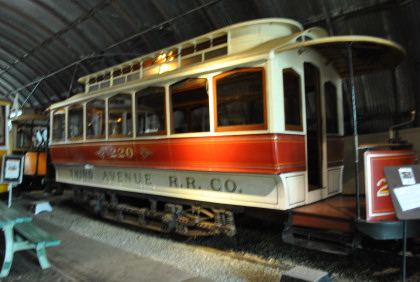
Third Avenue Railway streetcar 220 built by Laclede Car Company in 1892 for the cable car line on Third Ave from 130th St to City Hall in New York City. In 1899 it was rebuilt into an electric car and assigned to the 42nd Street Crosstown Line until about 1908 when it was replaced by larger cars. For the next 38 years it was used as a work car, cleaning the underground third rail conduits used by streetcars in Manhattan. Soon after the blizzard of 1888, New York City ordinances required all overhead lines including trolley wires be underground in most of Manhattan.
It served the Third Avenue Railway System from 1892 to 1900, the Metropolitan Street Railway from 1900 to 1908 and finally Third Avenue Railway/Transit System from 1908 to 1946 and was acquired by the museum in 1948.
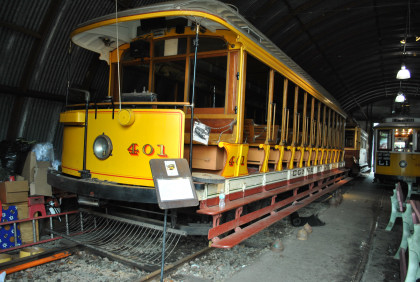
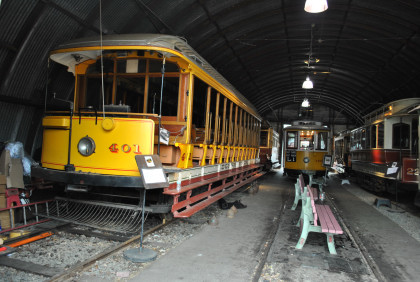
Consolidated Railway open bench streetcar 401 built by J.M. Jones in 1906, and later became ConnCo 923.
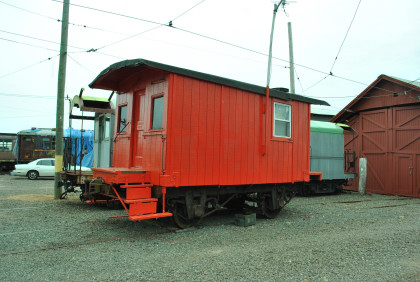
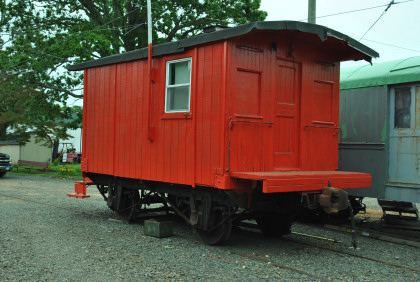
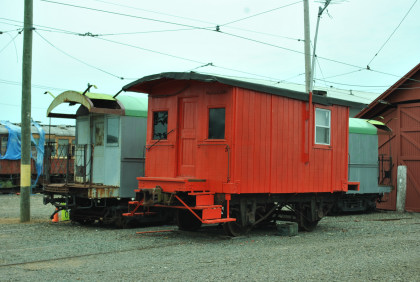
Traction caboose of unknown origin.
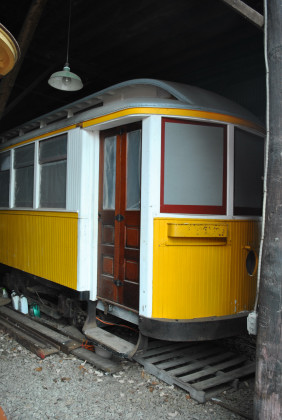
Connecticut Streetcar Company streetcar 855, ex. City of East Haven 855 1984-2020, exx. Branford Electric Railway Association 855 1947-1984, exxx. Connecticut Company 855 1915-1947, exxxx. Connecticut Company 502 1907-1915, nee Consolidated Railway 502, built by Wason Manufacturing Company in 1905. It would later be placed on display on Frontage Road in East Haven.
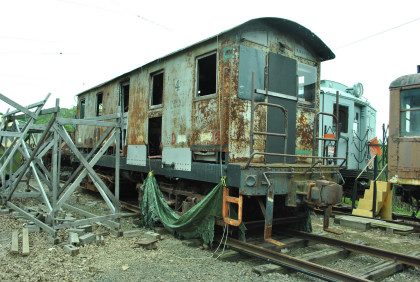
Branford Electric Railway Association boxcab 4, ex. New York City Transit Authority 4 1966-1982, exx. New York City Transit Authority 20001 1962-1966, exxx. New York City Transit Authority 4 1953-1962, exxxx. new York City Board of Transportation 4 1940-1953, nee South Brooklyn Railway 4, built by Brooklyn Heights in 1907.
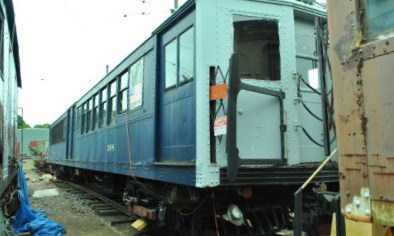
Branford Electric Railway Association rapid transit car 388, ex. Trolley Museum of New York 388 19xx-1993, ex. New York Metropolitan Transit Authority 388 1971-19xx, nee Staten Island Rapid Transit 388 1925-1971, built by Pressed Steel in 1925.
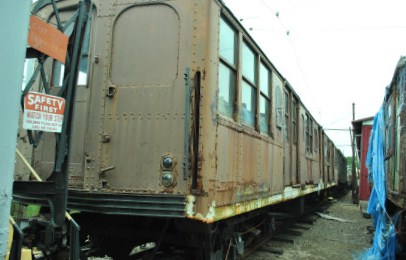
Branford Electric Railway Association subway car 2775, ex. New York City Transit Authority 2775 1953-1980, exx. New York City Board of Transportation 2775 1940-1953, exxx. Brooklyn-Manhattan Transit 2775 1923-1940, nee Brooklyn Rapid Transit 2775, built by Pressed Steel in 1922. It was retired in 1969 and was out-of-service by 1980.
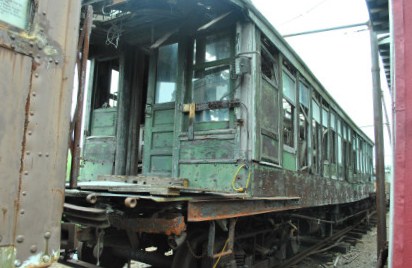
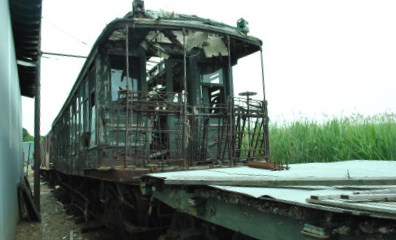
Branford Electric Railway Association open platform rapid transit car 569, ex. New York City Transit Authority 659 1953-1961, exx. New York City Board of Transportation 659 1940-1953, exxx. Brooklyn-Manhattan Transit 659 1923-1940, exxxx. Brooklyn Rapid Transit 659 1910-1923, nee Brooklyn Rapid Transit 476, built by Jewett Car Company in 1901.
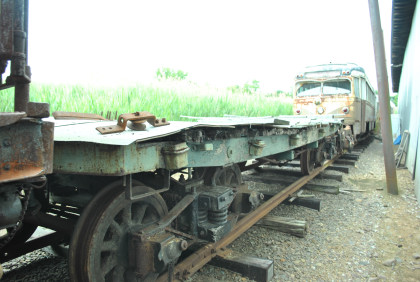
Flat car of unknown origin.
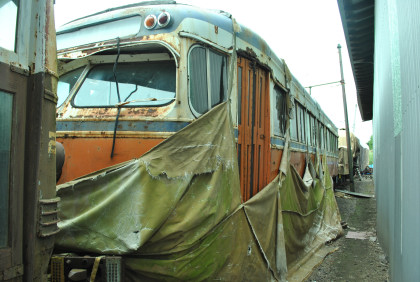
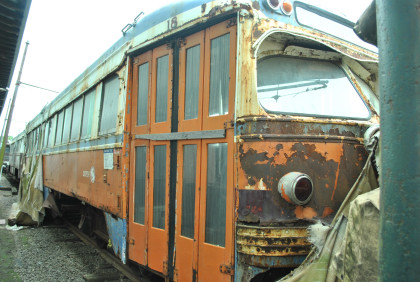
Branford Electric Railway Association streetcar 18, ex. Southeast Pennsylvania Transportation Authority PCC car 18 1970-1982, nee Philadelphia Suburban Transportation 18, built by St. Louis Car Company in 1949. It was retired in 1982 then acquired by San Francisco Municipal Railway in 2017 in a trade for Cable Car 28.
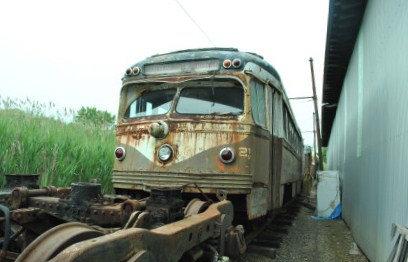
Branford Electric Railway Association streetcar 21, ex. Southeast Pennsylvania Transportation Authority PCC car 21 1970-1982, nee Philadelphia Suburban Transportation 21, built by St. Louis Car Company in 1949. It was retired in 1982 then acquired by San Francisco Municipal Railway in 2017 in a trade for Cable Car 28.
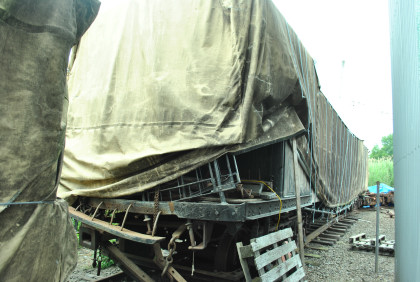
Trolley of unknown origin.
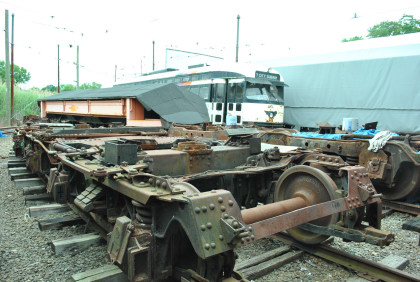
Streetcar trucks.
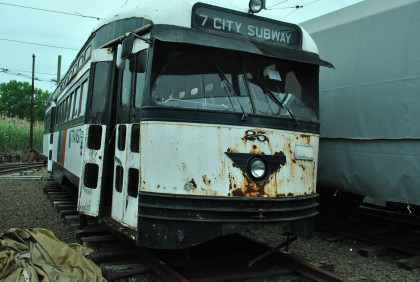
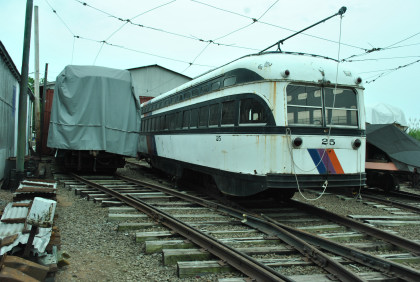
Branford Electric Railway Association PCC car 25, ex. City of Bayonne 25 2005-2014, exx. New Jersey Transit 25 1980-2005, exxx. Transport of New Jersey 25 1971-1980, exxxx. Public Service Coordinated Transport 25 1953-1971, nee Twin City Rapid Transit 364, built by St. Louis Car Company in 1947.
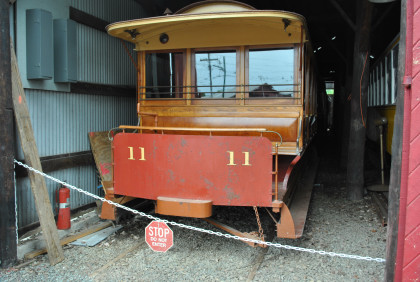
Toronto Transit Commission horsecar replica 11 built by the company in 1933 for the city's centennial celebration using original plans and it contains many pieces of hardware and running gear which were salvaged from other horsecars.
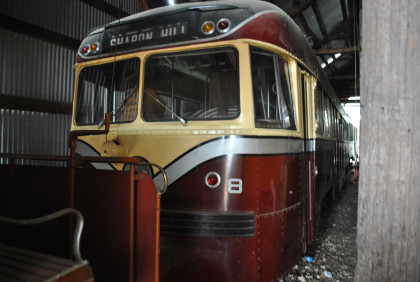
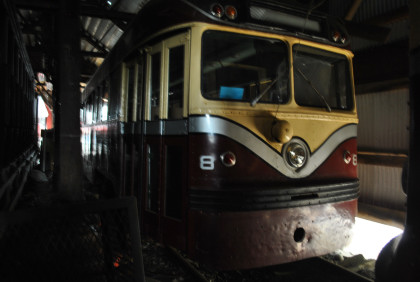
Branford Electric Railway Association streetcar 8, ex. Southeastern Pennsylvania Transportation Authority 8 1970-1982, nee Philadelphia Suburban Transportation 8, built by J.G. Brill in 1941.
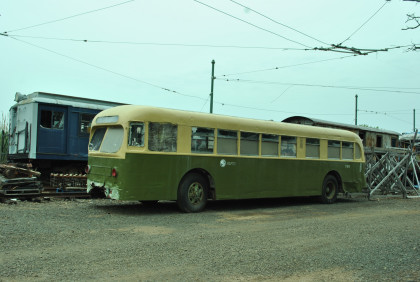
Southeastern Pennsylvania Transportation Authority bus 210 built by J.G. Brill and American Car and Foundry in 1947.
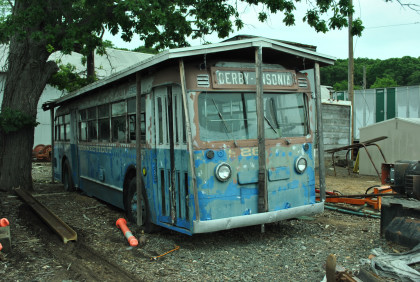
Connecticut Transit bus 928.
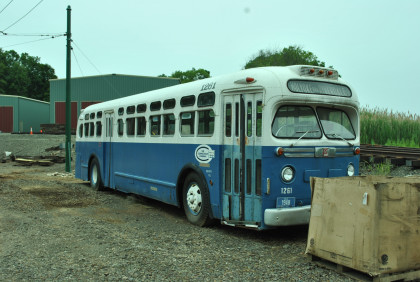
The Connecticut Company bus 1261.
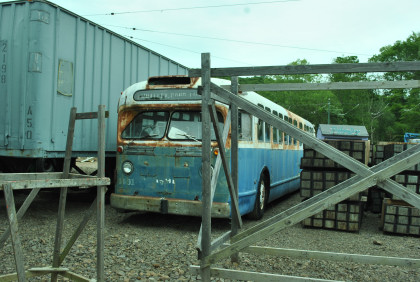
The Connecticut Company bus 1491.
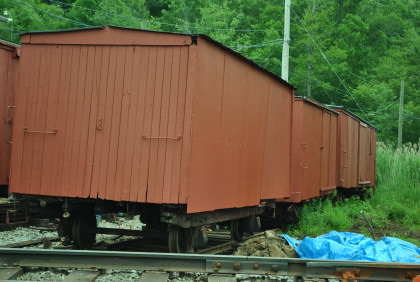
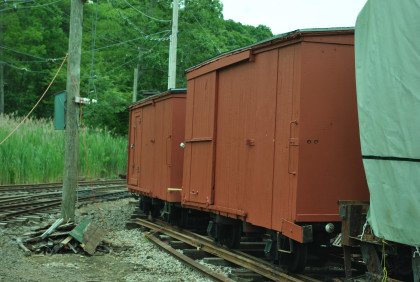
These short box cars may be used for storage.
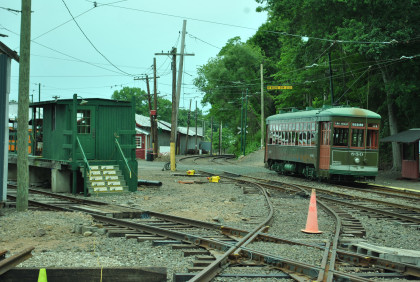
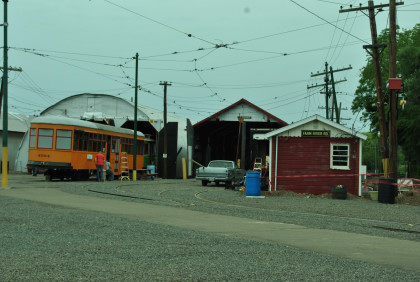
Museum view.
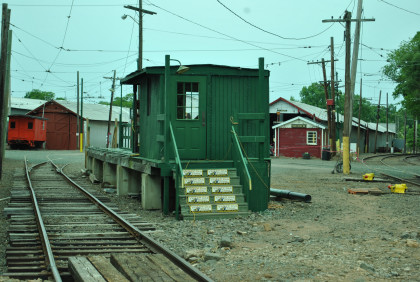
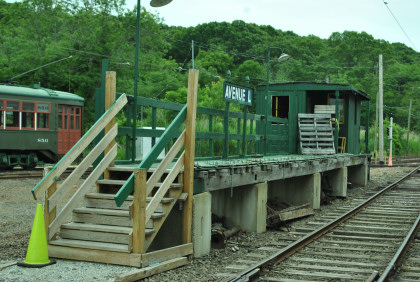
Avenue L station.
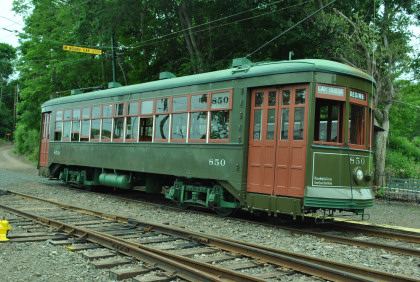
New Orleans car 850.
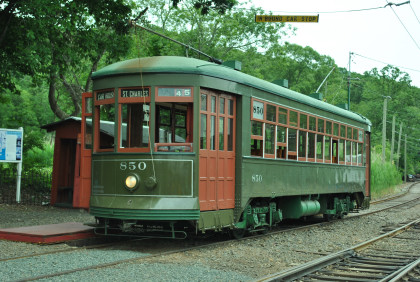
My trolley waiting to take me back; Robin soon joined me.
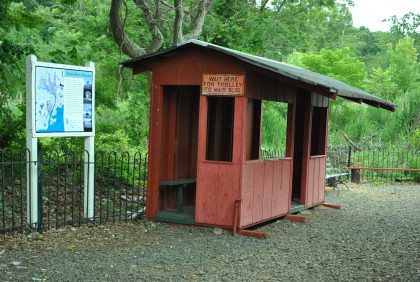
Farm Estuary station; I rode up with the operator.
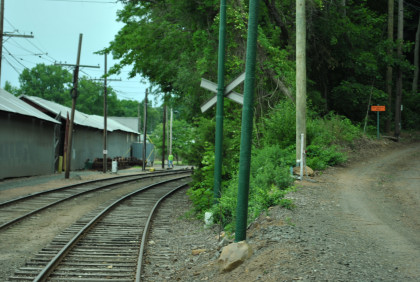
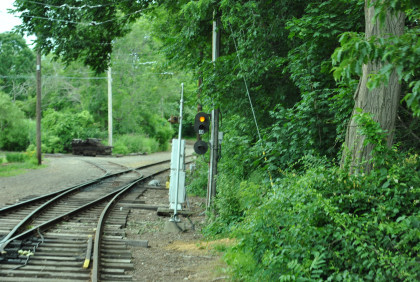
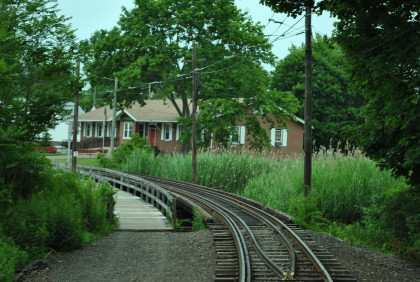
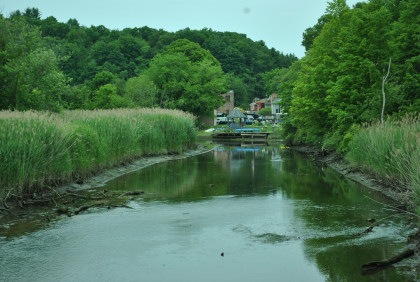
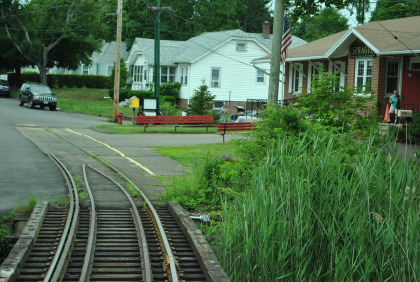
Our trip back to the front of the museum which ended our visit.
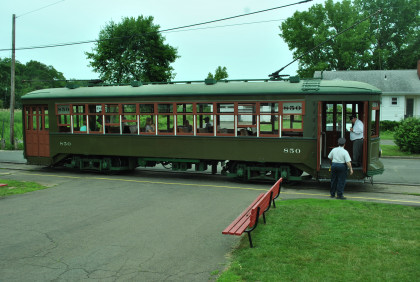
One more view of our trolley. We would like to thank the Shore Line Trolley Museum for having us here today; what a fabulous museum you have. Robin and I left East New Haven for our final stop of the day.
| RETURN TO THE MAIN PAGE |